2026 Tax Code Changes: Optimize High-Income Returns in the US

Anúncios
High-income earners in the US must proactively understand and adapt to the 2026 tax code changes to strategically optimize their returns, potentially achieving up to a 10% improvement through informed financial planning.
Anúncios
As we approach 2026, the landscape of US taxation is poised for significant shifts, particularly impacting high-income earners. Understanding these upcoming 2026 tax code changes is not merely an exercise in compliance but a crucial opportunity for strategic financial planning, potentially optimizing your returns by 10% or more. Are you ready to navigate these complexities and turn potential challenges into distinct advantages?
Anúncios
Understanding the Looming 2026 Tax Code Changes
The year 2026 marks a pivotal moment for the US tax system, primarily due to the expiration of several key provisions from the Tax Cuts and Jobs Act (TCJA) of 2017. These expirations are set to revert many tax parameters to their pre-TCJA levels, which could significantly alter the tax liabilities for individuals, especially those in higher income brackets. Anticipating these shifts is the first step towards effective financial maneuvering.
The TCJA brought about numerous changes, including adjustments to individual income tax rates, the standard deduction, and various itemized deductions. Its sunset clauses mean that without new legislative action, these provisions will automatically revert. High-income earners, who often benefit from specific deductions and lower marginal rates under the TCJA, could face a higher effective tax rate as a result. This necessitates a thorough review of current financial strategies and a proactive approach to future planning.
Key TCJA Provisions Set to Expire
- Individual income tax rates and brackets: Many rates are expected to increase, particularly for higher earners.
- Standard deduction amounts: These are likely to decrease, potentially pushing more taxpayers toward itemizing.
- Deduction for state and local taxes (SALT) cap: The $10,000 cap is set to expire, which could be a significant change for those in high-tax states.
These impending changes require more than just a superficial understanding; they demand a deep dive into how each shift could individually and collectively impact your financial portfolio. Preparing now allows for thoughtful adjustments, ensuring that you are not caught off guard by the evolving tax landscape.
Revisiting Individual Income Tax Rates and Brackets
One of the most direct impacts of the 2026 tax code changes will be on individual income tax rates and their corresponding brackets. The TCJA reduced marginal tax rates across most income levels, with the highest rate decreasing from 39.6% to 37%. Upon expiration, these rates are slated to revert to their pre-TCJA levels, meaning an increase for many high-income individuals.
This shift will directly affect the amount of taxable income that falls into each bracket, potentially pushing more of a high-income earner’s earnings into higher tax categories. Understanding these potential increases is crucial for forecasting future tax liabilities and adjusting income-generating strategies accordingly. For instance, accelerating income or deferring deductions might become more attractive depending on the expected rate changes.
Projected Rate Adjustments and Their Implications
- The top marginal rate could return to 39.6%.
- Other brackets may also see upward adjustments.
- The “marriage penalty” could become more pronounced for some couples.
Analyzing your current income structure against these projected changes is fundamental. This analysis should extend beyond just your salary to include investment income, capital gains, and any other sources of revenue. Proactive tax planning in this area can involve strategies such as Roth conversions, tax-loss harvesting, and careful timing of income recognition to mitigate the impact of higher rates.
Navigating Changes to Standard and Itemized Deductions
The TCJA significantly increased the standard deduction, leading many taxpayers, including some high-income earners, to opt for it over itemizing. However, the 2026 expiration means the standard deduction amounts are likely to decrease, which could make itemizing deductions a more favorable option once again. This shift will require careful consideration of all potential itemized deductions.
For high-income earners, the restoration of certain itemized deductions or the reduction of the standard deduction could unlock new avenues for tax savings. This includes deductions for mortgage interest, medical expenses, and charitable contributions. Furthermore, the expiration of the $10,000 cap on state and local tax (SALT) deductions will be particularly impactful for those residing in high-tax states, potentially reducing their taxable income significantly.
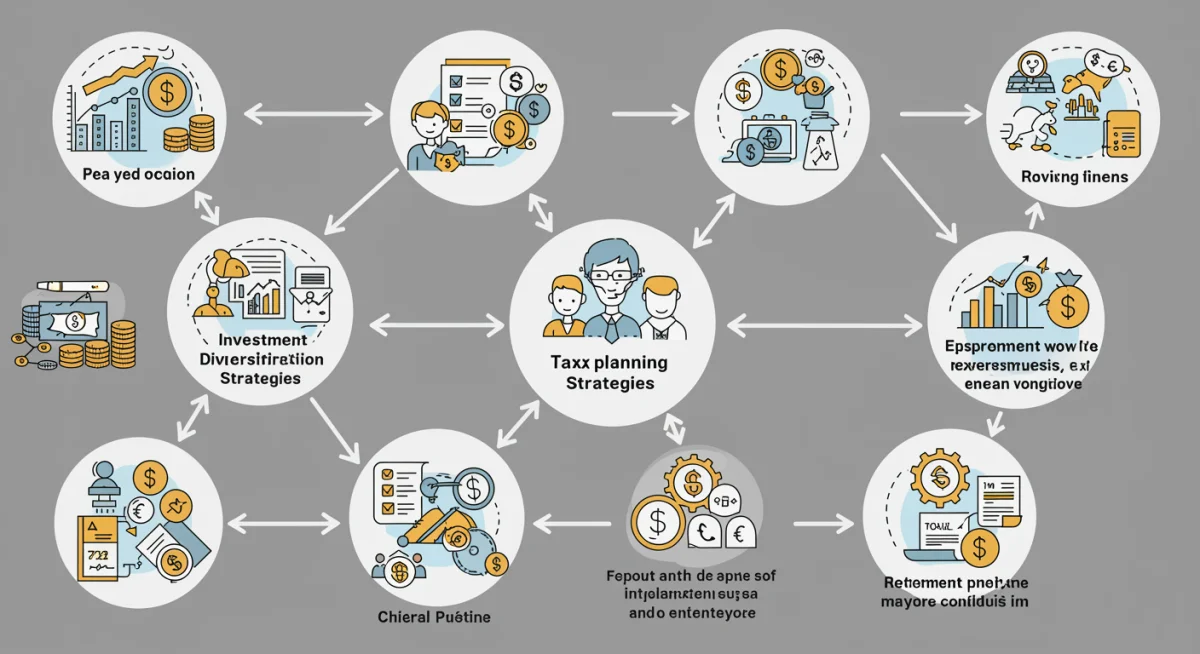
Strategic Considerations for Deductions
- Re-evaluate the benefits of itemizing versus taking the standard deduction.
- Maximize charitable contributions through donor-advised funds or qualified charitable distributions.
- Assess the impact of the SALT cap expiration on your state and local tax liabilities.
A detailed review of your historical deductions and projected expenses for 2026 and beyond is essential. Working with a qualified tax professional can help identify all eligible itemized deductions and determine the most advantageous approach for your specific financial situation, ensuring you capitalize on every opportunity to reduce your taxable income.
Estate and Gift Tax Implications for High-Net-Worth Individuals
Beyond income taxes, the 2026 tax code changes will also have profound implications for estate and gift taxes, particularly for high-net-worth individuals. The TCJA significantly increased the estate and gift tax exemption, allowing individuals to transfer substantial wealth without incurring federal estate taxes. This exemption amount is set to revert to its pre-TCJA levels, effectively halving the current exemption.
This reduction means that more estates will be subject to federal estate tax, and the amount of taxable wealth will increase for those already above the threshold. For high-net-worth individuals, this change necessitates an immediate review of their estate planning strategies. Proactive measures, such as making gifts while the higher exemption is still in effect, can be critical to minimizing future estate tax liabilities.
Key Estate Planning Adjustments
- Utilize the current higher gift tax exemption before its expiration.
- Review and update existing wills, trusts, and other estate planning documents.
- Consider advanced strategies like grantor retained annuity trusts (GRATs) or charitable lead trusts.
Engaging with estate planning attorneys and financial advisors is crucial to understanding the full scope of these changes and implementing effective strategies. The goal is to transfer wealth efficiently and in alignment with your legacy goals, while minimizing the tax burden on your heirs. Delaying these conversations could lead to missed opportunities and increased tax exposure.
Strategic Investment Planning in Light of 2026 Tax Shifts
The impending tax code changes in 2026 will undoubtedly influence investment decisions for high-income earners. Understanding how capital gains, qualified dividends, and other investment income will be taxed under the new regime is paramount. Adjustments to individual income tax rates could indirectly affect the effective tax rate on various investment returns, making certain investment vehicles more or less attractive.
For instance, if ordinary income tax rates increase, the appeal of tax-advantaged accounts like 401(k)s and IRAs, or even municipal bonds, might grow. Conversely, strategies such as tax-loss harvesting could become even more valuable if capital gains rates remain stable or increase. Diversifying investment portfolios with a keen eye on tax efficiency will be a cornerstone of prudent financial planning.
Investment Strategies to Consider
- Rebalancing portfolios to include more tax-efficient investments.
- Utilizing tax-loss harvesting to offset capital gains and ordinary income.
- Exploring qualified opportunity zones for long-term capital gains deferral and reduction.
Working with a financial advisor who specializes in tax-efficient investing can provide tailored guidance. They can help you analyze your current portfolio, project the impact of the 2026 changes, and recommend adjustments that align with your risk tolerance and financial goals, all while aiming to optimize your after-tax returns.
Proactive Measures and Professional Guidance for High-Income Earners
The complexity and potential impact of the 2026 tax code changes underscore the importance of proactive planning and professional guidance for high-income earners. Simply reacting to these changes as they occur will likely result in missed opportunities for optimization and potentially higher tax liabilities. A comprehensive approach involves continuous monitoring of legislative developments, personalized financial analysis, and strategic implementation of tax-efficient strategies.
Engaging with a team of financial experts, including certified public accountants (CPAs), financial planners, and estate attorneys, is not a luxury but a necessity. These professionals can provide invaluable insights, help interpret the nuances of the tax code, and develop a holistic plan tailored to your unique financial situation. Their expertise can be the difference between navigating the changes effectively and facing unexpected tax burdens.
Steps for Proactive Tax Planning
- Schedule a comprehensive review of your financial plan with your advisors.
- Stay informed about legislative updates and potential Congressional actions.
- Explore advanced tax planning techniques, such as charitable giving strategies and business structuring.
Ultimately, the goal is not just to comply with the new tax laws but to leverage them to your advantage. By taking proactive measures and seeking expert advice, high-income earners can position themselves to optimize their returns by 10% or more, ensuring their financial well-being in the evolving tax landscape of 2026 and beyond.
| Key Point | Brief Description |
|---|---|
| TCJA Sunset Provisions | Key tax provisions from 2017 are set to expire, reverting to pre-TCJA levels. |
| Tax Rate Changes | Individual income tax rates are projected to increase, affecting high-income earners. |
| Deduction Adjustments | Standard deduction may decrease, SALT cap expire, making itemizing more valuable. |
| Estate Tax Impact | Estate and gift tax exemptions are expected to decrease, affecting wealth transfer. |
Frequently Asked Questions About 2026 Tax Changes
The primary changes involve the expiration of several provisions from the Tax Cuts and Jobs Act of 2017, leading to potential increases in individual income tax rates, a reduction in the standard deduction, and the expiration of the state and local tax (SALT) deduction cap.
Proactive preparation includes reviewing current financial plans, consulting with tax professionals, adjusting investment strategies for tax efficiency, and considering advanced estate planning techniques like utilizing the current higher gift tax exemption before it expires.
Without new legislative action, many individual income tax rates are scheduled to revert to their pre-TCJA levels, which generally means an increase, especially for higher income brackets. However, Congress could still pass new legislation.
The estate and gift tax exemption is expected to significantly decrease, potentially subjecting more estates to federal estate tax. High-net-worth individuals should review and update their estate plans and consider making gifts under the current higher exemption.
Professional guidance from CPAs, financial planners, and estate attorneys is crucial. Their expertise helps interpret complex changes, develop personalized strategies, and ensure compliance while optimizing returns, turning potential challenges into financial advantages.
Conclusion
The impending 2026 tax code changes present both challenges and significant opportunities for high-income earners in the US. By understanding the sunset provisions of the TCJA, particularly those affecting individual income tax rates, deductions, and estate planning, individuals can strategically adjust their financial approaches. Proactive engagement with qualified financial and tax professionals is paramount to navigating this evolving landscape effectively. Through meticulous planning and informed decision-making, optimizing returns by 10% or more is an achievable goal, ensuring financial resilience and growth in the years to come.