Cybersecurity Measures 2026: Protect Your Small Business Now

Anúncios
In today’s hyper-connected digital landscape, the phrase “small business” no longer implies immunity from sophisticated cyber threats. On the contrary, small to medium-sized enterprises (SMEs) are increasingly becoming prime targets for cybercriminals. Why? Because they often possess valuable data, yet typically lack the extensive resources and dedicated IT security teams of larger corporations. As we hurtle towards 2026, the complexity and frequency of cyberattacks are only projected to intensify, making robust small business cybersecurity not just a recommendation, but an absolute imperative for survival and growth. This comprehensive guide will delve into the top 7 crucial cybersecurity measures that every small business must implement by 2026 to safeguard their assets, customer data, and reputation.
Anúncios
The digital transformation accelerated by recent global events has reshaped how small businesses operate, interact with customers, and manage their data. Cloud computing, remote workforces, and increased reliance on digital platforms have opened up new avenues for efficiency and innovation, but simultaneously, they have expanded the attack surface for malicious actors. A single data breach can have catastrophic consequences for a small business, leading to significant financial losses, legal ramifications, irreparable damage to brand trust, and even complete business failure. Therefore, understanding and proactively implementing effective small business cybersecurity strategies is paramount.
This article aims to provide actionable insights and practical steps, ensuring that your small business is not just reactive but proactively resilient against the evolving threat landscape of 2026. We will cover a range of critical areas, from foundational security practices to advanced threat detection and response mechanisms, all tailored to the unique needs and constraints of small businesses. By the end of this read, you will have a clear roadmap to fortify your digital defenses and ensure the long-term viability of your enterprise.
Anúncios
The Escalating Threat Landscape for Small Business Cybersecurity
Before diving into the solutions, it’s essential to grasp the severity of the problem. Cybercriminals are increasingly targeting small businesses because they often assume these entities have weaker defenses. Phishing attacks, ransomware, malware, and business email compromise (BEC) are just a few of the common threats that can cripple a small operation. The cost of a data breach for a small business can be astronomical, encompassing not only direct financial losses from stolen funds or recovery costs but also indirect costs such as reputational damage, customer churn, and potential regulatory fines.
Moreover, the sophistication of these attacks is constantly evolving. AI-powered phishing attempts are becoming harder to detect, and ransomware variants are more aggressive, often exfiltrating data before encryption to add an extra layer of extortion. Supply chain attacks, where a small business’s vulnerabilities are exploited to gain access to a larger partner, are also on the rise. This intricate web of threats underscores the urgent need for small businesses to prioritize and invest in robust small business cybersecurity measures. Ignoring these risks is no longer an option; it’s a direct threat to your business’s future.
Top 7 Cybersecurity Measures for Small Businesses in 2026
Here are the essential cybersecurity measures your small business should implement and continuously refine by 2026:
1. Implement Robust Multi-Factor Authentication (MFA) Everywhere
Passwords alone are no longer sufficient to protect your accounts. Even strong, unique passwords can be compromised through phishing, brute-force attacks, or data breaches. Multi-Factor Authentication (MFA) adds an extra layer of security by requiring users to provide two or more verification factors to gain access to an account. This typically involves something the user knows (password), something the user has (a phone or hardware token), and/or something the user is (biometrics like a fingerprint or facial scan).
By 2026, MFA should be considered non-negotiable for all business accounts, especially those accessing sensitive data, cloud applications, financial systems, and remote access points. Even if a cybercriminal manages to steal a password, they won’t be able to access the account without the second factor. Implementing MFA significantly reduces the risk of unauthorized access and is one of the most effective and relatively easy-to-deploy small business cybersecurity measures. Educate your employees on the importance of MFA and how to use it effectively, making it a mandatory part of your security protocols.

2. Regular Employee Cybersecurity Training and Awareness Programs
Your employees are often the first line of defense, but also the weakest link if not properly trained. Human error remains a leading cause of data breaches. A well-informed and security-aware workforce is critical for effective small business cybersecurity. Regular, engaging, and up-to-date training programs are essential to help employees recognize and report potential threats.
Training should cover a wide range of topics, including identifying phishing emails, understanding social engineering tactics, recognizing suspicious links, creating strong and unique passwords, safe browsing habits, and proper data handling procedures. Conduct simulated phishing exercises regularly to test their awareness and reinforce training. Make cybersecurity a part of your company culture, encouraging employees to ask questions and report anything that seems out of place. Continuous education ensures that your team remains vigilant against evolving cyber threats.
3. Implement and Maintain Robust Endpoint Detection and Response (EDR) Solutions
Traditional antivirus software offers basic protection, but it’s often insufficient against sophisticated, modern threats. Endpoint Detection and Response (EDR) solutions go beyond signature-based detection, providing continuous monitoring, real-time threat detection, and automated response capabilities for all endpoints (laptops, desktops, servers, mobile devices). EDR systems use behavioral analysis, machine learning, and threat intelligence to identify suspicious activities that might indicate a zero-day attack or advanced persistent threat (APT).
For small businesses, EDR is a game-changer. It allows for quicker identification and containment of threats, minimizing potential damage. Many EDR solutions are now available as managed services, making them accessible and manageable even for businesses without dedicated IT security staff. Investing in an EDR solution is a critical step in elevating your small business cybersecurity posture by 2026, providing a proactive defense against increasingly stealthy attacks.
4. Regular Data Backup and Disaster Recovery Planning
No matter how robust your defenses, a cyberattack, natural disaster, or even human error can lead to data loss. Therefore, having a comprehensive data backup and disaster recovery (DR) plan is fundamental. This measure ensures business continuity and minimizes downtime in the event of an incident. By 2026, your backup strategy should be multi-layered and regularly tested.
Implement the ‘3-2-1 rule’: maintain at least three copies of your data, store two copies on different media, and keep one copy offsite. Cloud-based backup solutions offer excellent flexibility, scalability, and offsite storage. Regularly test your backups to ensure data integrity and that recovery processes work as expected. A well-defined disaster recovery plan should outline steps for data restoration, system recovery, and communication protocols during an outage. This proactive approach to data management is a cornerstone of effective small business cybersecurity.
5. Network Segmentation and Access Control
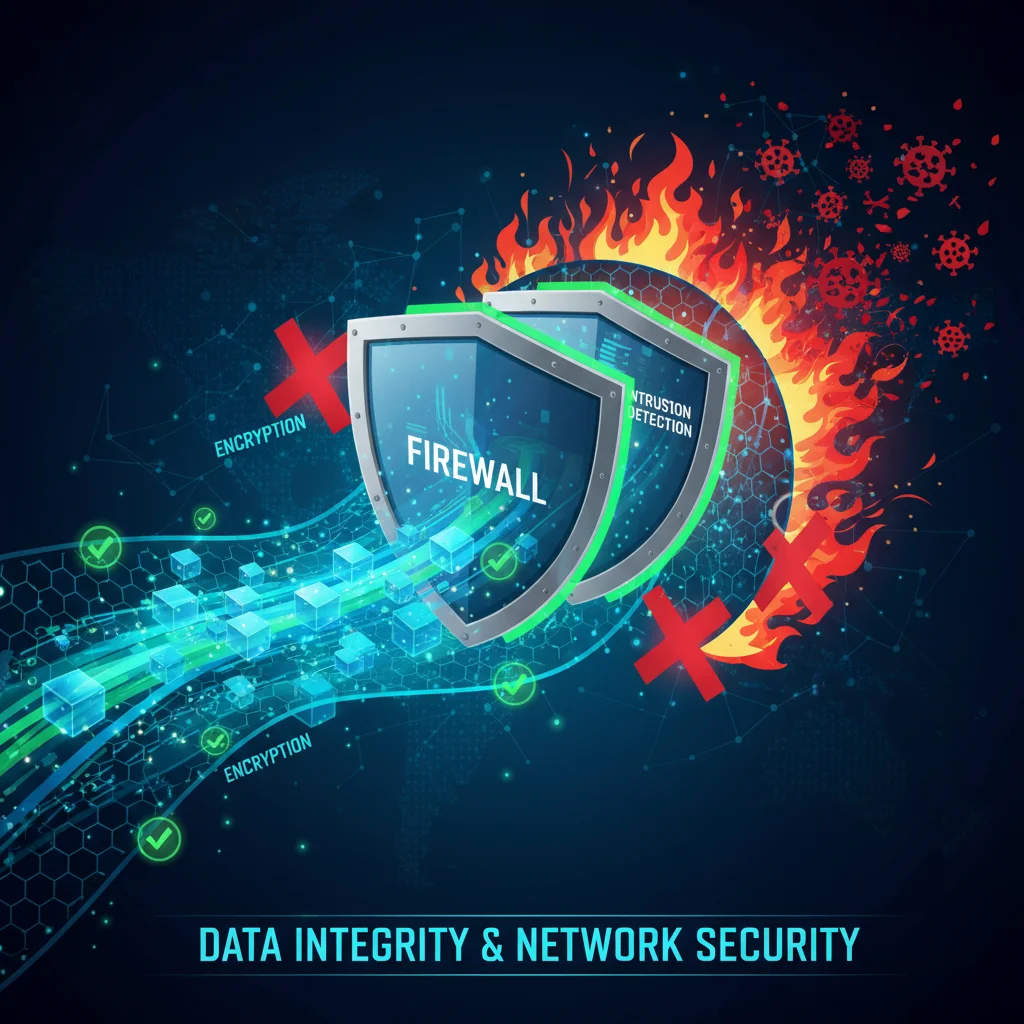
Network segmentation involves dividing your network into smaller, isolated segments. This limits the lateral movement of attackers within your network if one segment is compromised. For example, your guest Wi-Fi network should be completely separate from your internal business network. Similarly, sensitive data servers should be in a different segment than general employee workstations.
Coupled with segmentation, strict access control policies are vital. Implement the principle of least privilege (PoLP), meaning employees should only have access to the data and systems absolutely necessary for their job functions. Regularly review and update access permissions, especially when employees change roles or leave the company. This minimizes the potential damage an insider threat or compromised account can inflict, significantly bolstering your small business cybersecurity framework.
6. Secure Cloud Configurations and Vendor Management
Small businesses heavily rely on cloud services (SaaS, IaaS, PaaS) for productivity, storage, and operations. While cloud providers offer robust infrastructure security, securing your data in the cloud is a shared responsibility. Misconfigurations in cloud settings are a leading cause of data breaches. Ensure that all your cloud services are configured securely, following best practices recommended by the provider. This includes strong access controls, encryption of data at rest and in transit, and regular security audits of your cloud environment.
Furthermore, effective vendor management is crucial. Every third-party vendor that has access to your data or systems represents a potential vulnerability. Conduct due diligence on your vendors’ security practices, review their security certifications, and include cybersecurity clauses in your contracts. Regularly assess the security posture of your supply chain to mitigate risks. This holistic approach to cloud and vendor security is indispensable for comprehensive small business cybersecurity by 2026.
7. Regular Security Audits and Vulnerability Assessments
The cybersecurity landscape is dynamic; new vulnerabilities and attack methods emerge constantly. Therefore, a one-time security implementation is insufficient. Regular security audits, vulnerability assessments, and penetration testing are essential to identify weaknesses in your systems, applications, and processes before attackers do. Vulnerability assessments scan your systems for known weaknesses, while penetration testing simulates a real-world attack to uncover exploitable flaws.
These assessments provide invaluable insights into your current security posture and help you prioritize remediation efforts. Depending on your business size and complexity, consider engaging third-party cybersecurity experts to conduct these audits. Their objective perspective can uncover blind spots and ensure compliance with relevant industry standards and regulations. Proactive identification and remediation of vulnerabilities are critical components of a mature small business cybersecurity strategy.
Building a Cybersecurity Culture in Your Small Business
Beyond implementing specific technologies and protocols, fostering a strong cybersecurity culture within your small business is paramount. This means making security an integral part of everyone’s job, not just the IT department’s. Encourage open communication about security concerns, reward secure behaviors, and lead by example from the top down. Regular reminders, internal newsletters, and accessible resources can help keep cybersecurity top of mind for all employees.
A strong cybersecurity culture transforms employees from potential vulnerabilities into active defenders, creating a collective shield against threats. When every team member understands their role in protecting the business, the overall security posture is significantly strengthened. This cultural shift is a long-term investment that pays dividends in resilience and peace of mind.
Budgeting for Small Business Cybersecurity
Many small business owners view cybersecurity as an expense rather than an investment. However, the cost of a breach far outweighs the cost of prevention. It’s crucial to allocate a realistic budget for cybersecurity, considering both initial implementation costs and ongoing maintenance, training, and potential expert consultations. Start with foundational, high-impact measures like MFA and employee training, and then gradually build up your defenses based on your risk assessment and business needs.
Explore government grants, industry-specific resources, and managed security service providers (MSSPs) that offer tailored solutions for small businesses at competitive price points. Remember, the goal is not to achieve impenetrable security (which is often unattainable), but to build a robust, resilient defense that significantly reduces your risk exposure and ensures business continuity. Smart budgeting for small business cybersecurity is a strategic decision that protects your future.
The Future of Small Business Cybersecurity in 2026 and Beyond
Looking ahead to 2026 and beyond, the cybersecurity landscape will continue its rapid evolution. We can expect to see increased adoption of AI and machine learning in both attack and defense strategies, further blurring the lines between legitimate and malicious activities. The Internet of Things (IoT) will proliferate, introducing new vectors for attack unless secured properly. Quantum computing, while still nascent, poses a long-term threat to current encryption standards. Staying informed about these emerging trends and continuously adapting your small business cybersecurity strategy will be crucial.
Partnerships with cybersecurity experts, staying updated on industry best practices, and participating in threat intelligence sharing communities can provide small businesses with the foresight and resources needed to navigate this complex future. Agility and adaptability will be key characteristics of successful cybersecurity programs.
Conclusion: Proactive Protection for a Secure Future
Securing your small business in 2026 requires a proactive, multi-faceted approach. The digital world offers immense opportunities, but it also harbors significant risks. By implementing the seven critical cybersecurity measures discussed – robust MFA, continuous employee training, advanced EDR solutions, comprehensive backup and disaster recovery, network segmentation, secure cloud and vendor management, and regular security audits – your small business can build a formidable defense against the ever-evolving threat landscape.
Remember, cybersecurity is not a one-time fix but an ongoing process. Regular review, adaptation, and investment in your security posture are essential to protect your valuable assets, maintain customer trust, and ensure the long-term success and resilience of your enterprise. Prioritize small business cybersecurity today to safeguard your tomorrow.