Remote vs. Hybrid Work: 2026 Outlook for U.S. Professional Women

Anúncios
The global pandemic irrevocably altered the landscape of professional work, ushering in an era where the traditional 9-to-5 office presence is no longer the sole paradigm. As we look towards 2026, the debate between remote hybrid work models continues to evolve, particularly for U.S. professional women. This comprehensive analysis delves into the nuances of these two dominant work structures, examining their implications for career advancement, work-life balance, mental well-being, and overall professional trajectory for women in the United States.
Anúncios
For decades, professional women have navigated complex career paths, often balancing professional aspirations with personal and family responsibilities. The advent of widespread remote and hybrid work has introduced both unprecedented opportunities and unique challenges, fundamentally reshaping how women approach their careers and personal lives. Understanding these shifts is crucial for individuals, employers, and policymakers alike as we move further into the mid-2020s.
The Evolution of Work: From Office to Anywhere
Before 2020, remote work was often seen as a perk, a privilege offered by progressive companies, or a necessity for specific roles. Hybrid work, while existing in various forms, wasn’t a mainstream concept. The forced pivot during the pandemic accelerated the adoption of these models, proving their viability on a massive scale. Now, as the dust settles, companies are refining their approaches, seeking optimal solutions that balance productivity, employee satisfaction, and organizational culture. For U.S. professional women, this evolution is particularly impactful, offering a chance to redefine success on their own terms.
Anúncios
The flexibility inherent in remote hybrid work models can be a game-changer. Historically, women have disproportionately borne the brunt of household and caregiving responsibilities. Traditional office structures often presented rigid barriers to balancing these demands with demanding careers. Remote and hybrid options, at their best, offer greater autonomy over schedules and locations, potentially easing some of these pressures. However, it’s not without its complexities.
Defining Remote Work in 2026
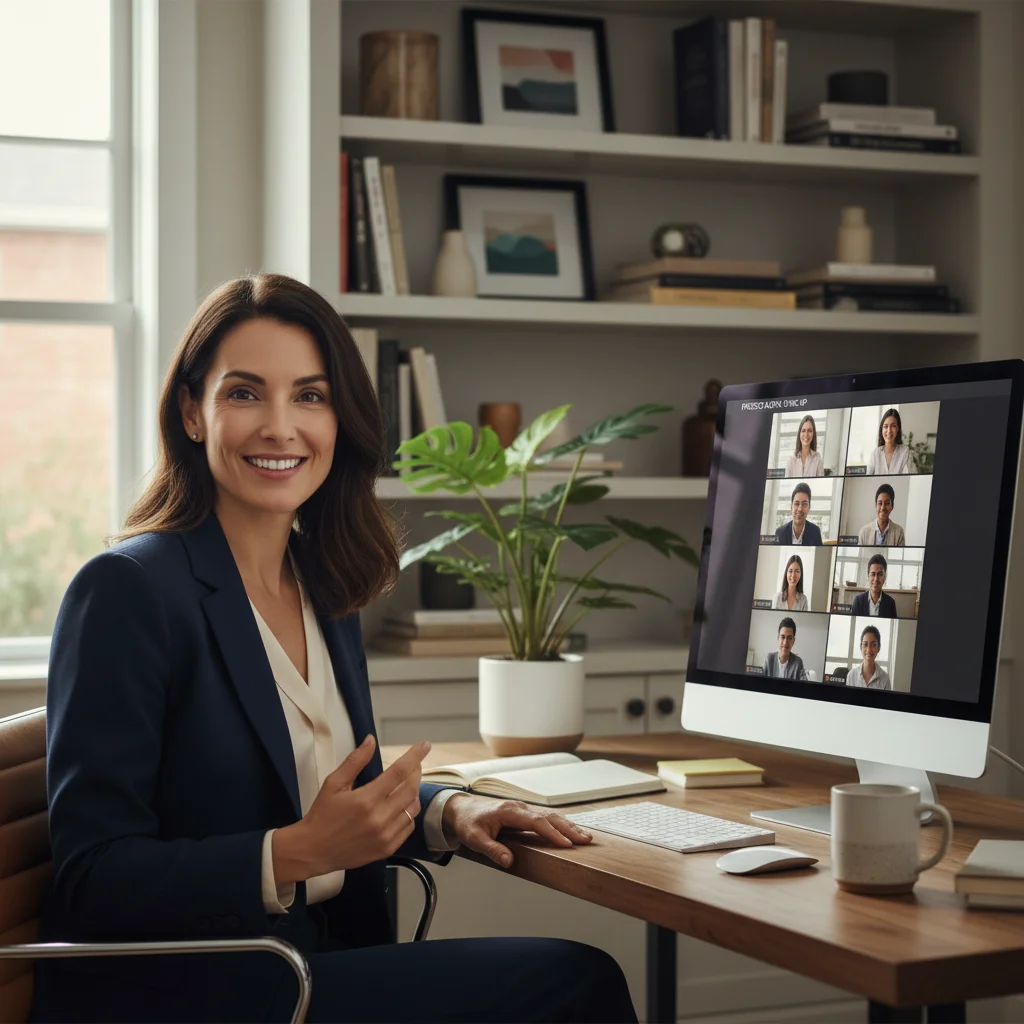
In 2026, ‘remote work’ typically signifies a professional arrangement where an employee performs all job duties from a location outside the traditional company office, most commonly their home. This model is characterized by virtual collaboration, digital communication tools, and a high degree of independence in managing one’s workspace and schedule. For many professional women, remote work has been a revelation, offering a reprieve from commutes, increased control over their daily routines, and the ability to integrate personal life more seamlessly with professional duties.
Advantages of Fully Remote Work for Women
- Increased Flexibility: The primary benefit is the unparalleled flexibility it offers. Women can often better manage childcare, eldercare, and personal appointments without the constraints of a daily office commute or fixed in-office hours. This can lead to a significant reduction in stress and a greater sense of control over their lives.
- Elimination of Commute: Saving hours each week on commuting translates to more time for family, personal pursuits, or additional work, directly impacting work-life balance and overall well-being. The financial savings on transportation, professional attire, and external childcare can also be substantial.
- Geographic Freedom: Remote work opens up opportunities regardless of geographic location. This can be particularly beneficial for women whose partners’ careers necessitate relocation, or who wish to live closer to family support systems without sacrificing career progression.
- Autonomy and Focus: Many remote workers report increased focus due to fewer in-office distractions. The ability to design one’s own workspace and schedule can lead to higher productivity and job satisfaction.
- Expanded Job Market: For professional women, remote work significantly broadens the scope of available positions, allowing them to pursue roles at companies across the nation, not just within commuting distance.
Challenges of Fully Remote Work for Women
- Blurred Boundaries: The line between work and personal life can become indistinct, leading to longer hours and burnout. Women, in particular, may find themselves juggling work tasks with household responsibilities throughout the day.
- Isolation and Loneliness: Lack of in-person interaction can lead to feelings of isolation, impacting mental health and team cohesion. Building and maintaining professional networks can also be more challenging.
- Visibility and Advancement: Concerns exist that remote employees, especially women, might be overlooked for promotions or significant projects due to less face-time with leadership, a phenomenon sometimes dubbed the ‘proximity bias.’
- Technology Dependence: Reliance on technology for all communication and collaboration can lead to technical fatigue and a sense of being constantly ‘on.’
- Ergonomic and Home Office Setup: Not all remote workers have adequate home office setups, which can lead to physical discomfort and reduced productivity.
Defining Hybrid Work in 2026
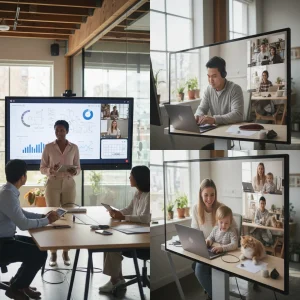
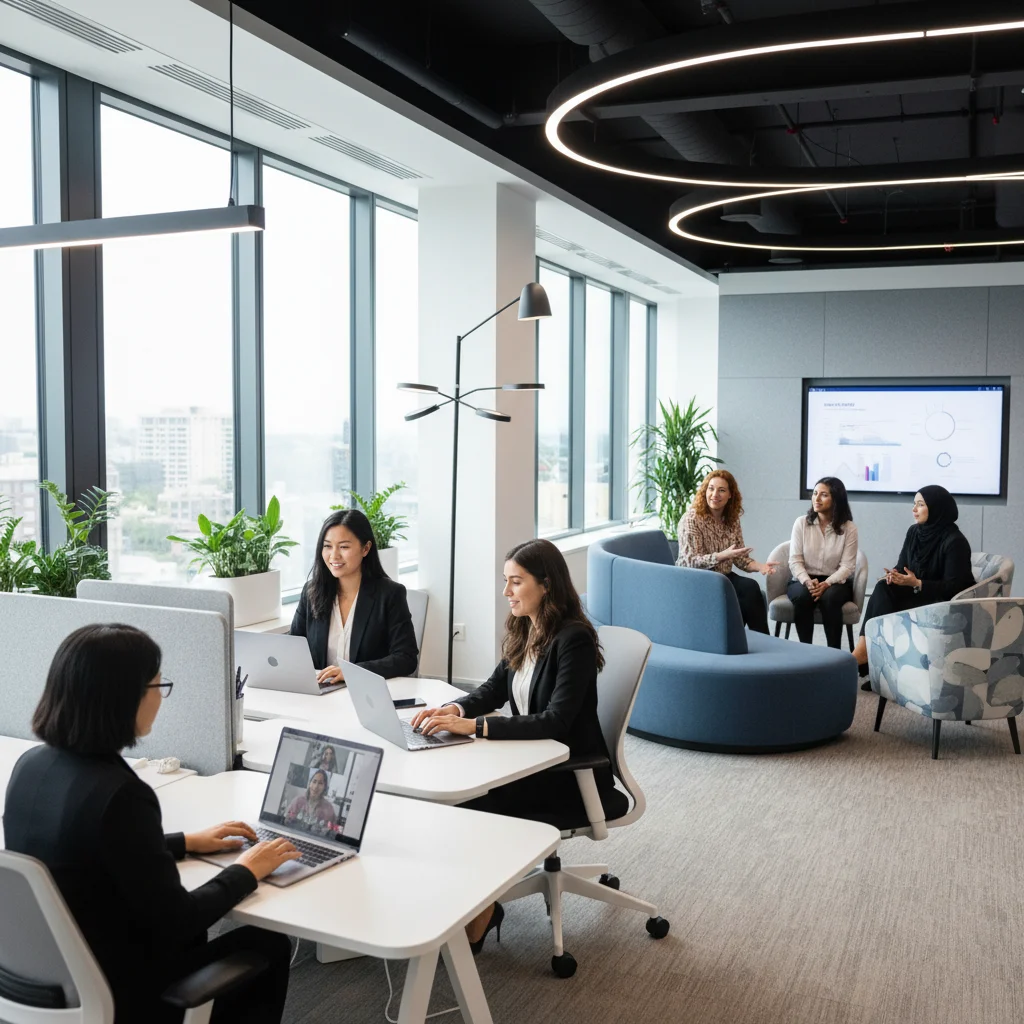
Hybrid work, in 2026, represents a blend of in-office and remote work. Employees typically spend a set number of days in the physical office and the remaining days working remotely. This model aims to capture the benefits of both worlds, fostering in-person collaboration while retaining the flexibility of remote work. The specific structure of hybrid models can vary widely, from fixed schedules (e.g., Tuesday-Thursday in office) to more flexible arrangements where employees choose their in-office days based on team needs.
Advantages of Hybrid Work for Women
- Balanced Flexibility: Hybrid models offer a middle ground, providing some flexibility without completely severing ties with the office. This can be ideal for women who appreciate the option to work from home but also value in-person interaction.
- Enhanced Collaboration and Connection: Regular in-office days facilitate face-to-face meetings, brainstorming sessions, and informal interactions that strengthen team bonds and foster a sense of belonging. This can be crucial for mentorship and networking opportunities.
- Improved Visibility: Spending time in the office can increase visibility with leadership and colleagues, potentially mitigating the ‘proximity bias’ and ensuring women are considered for growth opportunities.
- Clearer Boundaries: The scheduled in-office days can help establish clearer boundaries between work and home life, as employees physically transition between environments.
- Access to Office Resources: Hybrid workers still have access to office amenities, high-speed internet, and specialized equipment that might not be available in a home office.
Challenges of Hybrid Work for Women
- Logistical Complexity: Managing a hybrid schedule can be logistically challenging, especially for women with caregiving responsibilities who need to coordinate childcare or transportation for specific in-office days.
- ‘Two-Tiered’ Workforce: There’s a risk of creating a ‘two-tiered’ system where those who come into the office more frequently are perceived as more dedicated or productive, potentially disadvantaging women who opt for more remote days.
- Commute Burden: While reduced, the commute still exists, and can be particularly burdensome on specific days, requiring careful planning.
- Technology and Communication Gaps: Ensuring equitable communication and collaboration between in-office and remote team members can be challenging, requiring robust technology and inclusive meeting practices.
- Office Design and Purpose: Companies are still grappling with how to best design office spaces to support hybrid work, ensuring that in-office days are purposeful and maximize collaboration.
The Impact on Career Advancement for U.S. Professional Women
The choice between remote and hybrid work models in 2026 carries significant implications for the career trajectories of U.S. professional women. Traditionally, visibility and networking within the office have been key drivers of advancement. While remote work offers flexibility, it can sometimes come at the cost of informal interactions that often lead to mentorship, sponsorship, and recognition.
Visibility and Proximity Bias
One of the most significant concerns for women in fully remote roles is the potential for proximity bias. Research suggests that managers may unconsciously favor employees they see more often in person. This bias can manifest in fewer opportunities for challenging projects, less informal feedback, and ultimately, slower career progression. For women, who often already face systemic barriers to advancement, this could exacerbate existing inequalities.
Hybrid models attempt to address this by ensuring regular in-person interaction. However, even within hybrid structures, women who choose to work remotely more frequently than their male counterparts or other colleagues might still find themselves at a disadvantage. Companies must actively combat this bias through structured performance reviews, clear communication channels, and intentional efforts to include remote employees in all aspects of organizational life.
The promise of improved work-life balance is a major draw for women considering remote hybrid work. For many, the flexibility to manage family responsibilities, personal appointments, and self-care without the rigid constraints of a traditional office schedule is invaluable.
Networking and Sponsorship
Networking is crucial for career growth, and while virtual networking has gained traction, the organic connections formed through serendipitous office encounters are often powerful. For professional women, building strong internal and external networks is vital for securing sponsorships and mentorships. Remote work can make these informal connections harder to forge, requiring more deliberate effort.
Hybrid work offers a balance, providing opportunities for both virtual and in-person networking. Companies need to design hybrid strategies that encourage meaningful interactions during office days, ensuring that these days are not just for heads-down work but also for relationship building and collaborative problem-solving.
Skill Development and Learning Opportunities
Both remote and hybrid models necessitate a different set of skills. Adaptability, digital literacy, self-motivation, and effective virtual communication are paramount. For women, leveraging these skills can open new avenues for leadership and innovation. Companies offering robust training programs in these areas will empower their female employees to thrive in either environment.
Work-Life Balance and Well-being
The promise of improved work-life balance is a major draw for women considering remote hybrid work. For many, the flexibility to manage family responsibilities, personal appointments, and self-care without the rigid constraints of a traditional office schedule is invaluable.
Reducing Caregiving Burden
Women continue to shoulder a disproportionate share of caregiving responsibilities, whether for children, elderly parents, or other family members. Remote and hybrid work, by reducing or eliminating commutes and offering more control over schedules, can significantly alleviate this burden. This flexibility can prevent women from having to choose between career progression and family obligations, a choice many have historically faced.
Mental Health and Stress
The impact on mental health is multifaceted. While the reduction in commute stress and increased autonomy can be beneficial, remote work can also lead to isolation, burnout from blurred boundaries, and the constant pressure of being ‘always on.’ Hybrid models, with their blend of connection and flexibility, aim to strike a healthier balance, providing social interaction while retaining personal time.
Employers have a critical role in promoting well-being in both models. This includes setting clear expectations around working hours, encouraging breaks, providing mental health resources, and fostering a culture that respects personal time.
The Role of Organizational Culture and Leadership
The success of either remote or hybrid work models, particularly for professional women, hinges significantly on organizational culture and leadership. A supportive culture can amplify the benefits, while a poorly managed transition can exacerbate challenges.
Inclusive Leadership
Leaders must be intentional about fostering inclusivity in a distributed workforce. This means actively engaging remote employees, ensuring equitable access to information and opportunities, and recognizing contributions regardless of physical presence. For women, this is especially important to counteract potential biases and ensure their voices are heard.
Communication Strategies
Effective communication is the bedrock of successful remote hybrid work. Companies must invest in robust digital communication tools and establish clear protocols for meetings, project updates, and informal check-ins. Leaders should model best practices, ensuring that all employees, regardless of location, feel informed and connected.
Performance Measurement
Shifting from ‘presenteeism’ to performance-based metrics is crucial. Evaluating employees based on outcomes rather than hours spent in the office helps create a fair and equitable environment for both remote and hybrid workers. This approach can particularly benefit women who might utilize flexible schedules to manage other commitments.
Technological Advancements and Their Influence
By 2026, technological advancements will continue to play a pivotal role in shaping the efficacy and experience of remote hybrid work. Enhanced collaboration platforms, AI-powered tools, and immersive technologies are making distributed teams more cohesive and productive than ever before. For professional women, these tools can be empowering, leveling the playing field and ensuring their contributions are seen and valued.
Advanced Collaboration Tools
Platforms offering seamless video conferencing, shared digital whiteboards, and project management functionalities are becoming more sophisticated. These tools facilitate real-time collaboration, bridging geographical gaps and enabling teams to work together effectively, whether in the same room or across different time zones. The ability to record meetings and share summaries also benefits those who may not be able to attend live sessions due to personal commitments.
AI and Automation
AI-powered assistants can streamline administrative tasks, manage schedules, and even provide insights into team dynamics, freeing up time for more strategic work. Automation of routine tasks can reduce workload pressure, which is particularly beneficial for women who often manage multiple responsibilities.
Virtual and Augmented Reality (VR/AR)
While still emerging, VR and AR technologies hold the promise of creating more immersive remote work experiences, potentially reducing feelings of isolation and enhancing virtual collaboration to a near in-person level. Imagine virtual meeting rooms that feel like physical spaces, fostering deeper connection and engagement.
Policy and Regulatory Considerations
As remote hybrid work becomes more entrenched, governments and regulatory bodies are beginning to adapt policies related to labor laws, taxation, data privacy, and cybersecurity. For professional women, these policies can impact everything from fair wages to data security for sensitive information handled from home.
Labor Laws and Employee Rights
Clarification on labor laws, particularly concerning working hours, overtime, and employee classification, is crucial. Ensuring that remote and hybrid employees have the same rights and protections as their in-office counterparts is essential for equitable treatment.
Data Privacy and Cybersecurity
Working from diverse locations raises concerns about data privacy and cybersecurity. Companies and employees must adhere to strict protocols to protect sensitive information, a responsibility that falls on both the organization and the individual.
Equity and Access
Policymakers must also consider how to ensure equitable access to reliable internet, necessary equipment, and safe home workspaces, particularly for women in underserved communities or those with limited resources. Bridging the digital divide is paramount for inclusive remote work.
The Future Outlook: Recommendations for 2026 and Beyond
As we navigate 2026 and look further into the future, the optimal work model for professional women in the U.S. will likely not be a one-size-fits-all solution. Instead, it will be a dynamic interplay of individual preferences, industry specifics, and organizational culture.
For Professional Women
- Self-Advocacy: Women must be proactive in advocating for their preferred work arrangements and ensuring their contributions are visible, regardless of their physical location.
- Skill Development: Continuously develop skills in digital communication, self-management, and virtual collaboration.
- Boundary Setting: Establish clear boundaries between work and personal life to prevent burnout, especially in fully remote roles.
- Strategic Networking: Be intentional about building and maintaining professional networks, both virtually and in person.
For Employers
- Flexible Policies: Implement flexible and inclusive remote hybrid work policies that cater to diverse employee needs.
- Combat Proximity Bias: Develop strategies to actively mitigate proximity bias, ensuring equitable opportunities for all employees.
- Invest in Technology: Provide robust tools and infrastructure to support seamless remote and hybrid collaboration.
- Foster an Inclusive Culture: Cultivate a culture that values outcomes over presence and promotes psychological safety for all.
- Training and Support: Offer training for both employees and managers on effective remote and hybrid work practices, including mental wellness support.
For Policymakers
- Modernize Labor Laws: Update labor laws to reflect the realities of distributed work, protecting employee rights and ensuring fair practices.
- Bridge the Digital Divide: Invest in infrastructure to ensure equitable access to high-speed internet and technology.
- Promote Best Practices: Encourage and incentivize organizations to adopt inclusive and equitable remote and hybrid work models.
Conclusion
The 2026 landscape for U.S. professional women is one of significant transformation, with remote hybrid work models at its core. While fully remote work offers unparalleled autonomy and geographical freedom, it presents challenges related to visibility and potential isolation. Hybrid models aim to strike a balance, offering the benefits of both in-person connection and remote flexibility, though they come with their own set of logistical complexities.
Ultimately, the success of these models for professional women will depend on a concerted effort from individuals, organizations, and policymakers. By fostering inclusive cultures, leveraging technology, and prioritizing well-being, we can ensure that the future of work empowers women to achieve their full professional potential while maintaining a healthy, balanced life. The ongoing evolution of these work paradigms represents not just a change in where and how we work, but a fundamental redefinition of what it means to be a successful professional woman in the modern era.