Top 7 Certifications for U.S. Women: Bridging the Skill Gap for 2026 Employability

Anúncios
Top 7 Certifications for U.S. Women: Bridging the Skill Gap for 2026 Employability
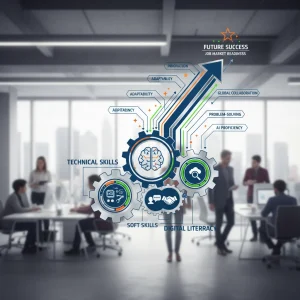
In an increasingly dynamic and competitive job market, continuous learning and skill development are not just advantageous but essential. For U.S. women, understanding and addressing the women skill gap is paramount to career advancement and increased employability. The landscape of work is shifting rapidly, driven by technological advancements, globalization, and evolving consumer demands. This necessitates a proactive approach to acquiring and validating skills that are currently in high demand and projected to remain so in the coming years. By focusing on strategic certifications, women can position themselves to not only meet but exceed the demands of the modern workforce, aiming for a significant boost in employability – potentially by 20% by 2026.
Anúncios
The concept of the women skill gap refers to the disparity between the skills women currently possess and the skills required for in-demand, high-growth roles. This gap can be influenced by various factors, including historical biases in education and career paths, limited access to training, and societal expectations. However, with targeted educational efforts and a focus on specific certifications, this gap can be effectively bridged. This article delves into seven crucial certifications that are poised to empower U.S. women, providing them with the tools and credentials needed to thrive in the economy of tomorrow.
Anúncios
Understanding the Evolving Job Market and the Women Skill Gap
The global economy is undergoing a massive transformation, often referred to as the Fourth Industrial Revolution. This era is characterized by the fusion of technologies that blur the lines between the physical, digital, and biological spheres. Artificial intelligence (AI), machine learning (ML), big data, cloud computing, and cybersecurity are no longer niche areas but fundamental components of almost every industry. Consequently, the skills required for success are evolving at an unprecedented pace. Traditional roles are being automated or augmented, while new roles requiring specialized digital and soft skills are emerging.
For women, this evolution presents both challenges and immense opportunities. While women have made significant strides in various professional fields, certain sectors, particularly in advanced technology and leadership, still show a notable women skill gap. Addressing this gap is not just about individual career progression; it’s about fostering economic equality, driving innovation, and ensuring a diverse workforce that reflects society’s multifaceted perspectives. Studies consistently show that companies with greater gender diversity, especially in leadership and technical roles, tend to outperform their less diverse counterparts in terms of innovation, profitability, and employee satisfaction.
The projected 20% increase in employability by 2026 is an ambitious yet achievable goal for U.S. women who strategically invest in their skill development. This projection is based on the anticipated demand for professionals with certified skills in areas that are currently experiencing rapid growth and are critical for future economic stability and expansion. By identifying and pursuing these certifications, women can directly address the existing skill gaps, enhance their market value, and unlock new career pathways.
Why Certifications Matter for Bridging the Women Skill Gap
In today’s competitive landscape, a college degree, while valuable, may not always be sufficient to secure top-tier positions or pivot into new, high-demand fields. Certifications, on the other hand, offer several distinct advantages:
- Targeted Skill Validation: Certifications provide concrete proof of specific skills and competencies, often validated by industry leaders. This makes it easier for employers to assess a candidate’s readiness for a particular role.
- Faster Skill Acquisition: Many certification programs are designed to be shorter and more focused than traditional degree programs, allowing for quicker upskilling and reskilling.
- Industry Recognition: Reputable certifications are recognized and valued across industries, offering a universal currency for skills.
- Higher Earning Potential: Professionals with in-demand certifications often command higher salaries compared to their non-certified peers.
- Career Mobility: Certifications can facilitate career transitions, opening doors to new industries or specialized roles that might otherwise be inaccessible.
- Confidence Boost: Earning a certification can significantly boost a professional’s confidence, empowering them to pursue more challenging and rewarding opportunities.
For women looking to advance their careers, re-enter the workforce, or transition into new fields, certifications are a powerful tool to overcome the women skill gap and demonstrate immediate value to potential employers.
7 In-Demand Certifications to Boost Employability for U.S. Women
Here are seven certifications that are highly relevant for U.S. women aiming to bridge the women skill gap and significantly enhance their employability by 2026:
1. Project Management Professional (PMP) Certification
Project management is a critical skill across virtually all industries. As organizations increasingly rely on projects to drive innovation and achieve strategic objectives, the demand for skilled project managers continues to grow. The PMP certification, offered by the Project Management Institute (PMI), is globally recognized and demonstrates a professional’s competence in leading and directing projects.
- Why it’s in demand: Companies need individuals who can deliver projects on time, within budget, and to scope. PMP-certified professionals are equipped with best practices in project initiation, planning, execution, monitoring, control, and closing.
- Impact on the women skill gap: Enhances leadership capabilities, strategic thinking, and organizational skills, making women ideal candidates for management and executive roles.
- Career Outlook: High demand in IT, healthcare, finance, manufacturing, and many other sectors. Significant salary premium for PMP holders.
2. Certified ScrumMaster (CSM) or SAFe Scrum Master (SSM) Certification
Agile methodologies, particularly Scrum, have revolutionized how teams develop products and services. A ScrumMaster facilitates the Scrum process, helping teams adhere to agile principles and practices. The CSM (Scrum Alliance) and SSM (Scaled Agile Framework) certifications are foundational for anyone looking to work in an agile environment.
- Why it’s in demand: Agile adoption is widespread, and organizations need skilled ScrumMasters to optimize team performance, foster collaboration, and deliver value iteratively.
- Impact on the women skill gap: Develops strong communication, facilitation, problem-solving, and servant leadership skills, crucial for navigating complex projects and team dynamics.
- Career Outlook: Excellent opportunities in software development, product management, IT services, and any industry embracing agile transformation.
3. Google Analytics Individual Qualification (GAIQ) / Google Ads Certifications
In the digital age, understanding data and digital marketing is non-negotiable. The GAIQ validates proficiency in Google Analytics, a powerful tool for website traffic analysis and user behavior insights. Google Ads certifications cover various aspects of online advertising, from search to display to video.
- Why it’s in demand: Businesses rely heavily on data-driven decisions and effective digital advertising to reach customers and grow. These certifications provide practical skills in analyzing performance and optimizing campaigns.
- Impact on the women skill gap: Equips women with highly marketable digital literacy and analytical skills, opening doors in marketing, e-commerce, and business intelligence.
- Career Outlook: Strong demand for digital marketing specialists, data analysts, and e-commerce managers across all industries.

4. AWS Certified Cloud Practitioner / Solutions Architect – Associate
Cloud computing is the backbone of modern IT infrastructure. Amazon Web Services (AWS) is the leading cloud provider, and its certifications are highly valued. The Cloud Practitioner is an entry-level certification, while the Solutions Architect – Associate is for professionals who design distributed systems on AWS.
- Why it’s in demand: Almost every company is either migrating to the cloud or already operating within it. Cloud skills are among the most sought-after in IT.
- Impact on the women skill gap: Provides foundational to intermediate cloud computing knowledge, helping women enter or advance in the lucrative tech sector, where a women skill gap is often more pronounced.
- Career Outlook: High demand for cloud architects, cloud engineers, DevOps specialists, and IT professionals with cloud expertise.
5. CompTIA Security+
Cybersecurity threats are growing in sophistication and frequency, making cybersecurity professionals indispensable. CompTIA Security+ is a vendor-neutral certification that validates foundational cybersecurity skills, covering topics like network security, threats and vulnerabilities, risk management, and cryptography.
- Why it’s in demand: Every organization needs robust cybersecurity defenses. Security+ is often a prerequisite for entry-level to mid-level cybersecurity roles and is recognized globally.
- Impact on the women skill gap: Empowers women to enter a critical and growing field with excellent job security and high earning potential, directly addressing a significant gender imbalance in cybersecurity.
- Career Outlook: Strong demand for security analysts, network administrators, and IT auditors across all sectors.
6. Certified Data Scientist (CDS) / Microsoft Certified: Azure Data Scientist Associate
Data science involves extracting insights and knowledge from data in various forms, either structured or unstructured. With the explosion of big data, the ability to analyze, interpret, and model data is a superpower. Certifications from organizations like the Data Science Council of America (DASCA) or Microsoft for Azure Data Scientist validate expertise in this field.
- Why it’s in demand: Data is the new oil, and organizations need data scientists to make sense of it, predict trends, and drive strategic decisions.
- Impact on the women skill gap: Develops highly analytical, statistical, and programming skills (e.g., Python, R), positioning women for roles at the forefront of technological innovation and strategic planning.
- Career Outlook: Exceptional demand for data scientists, machine learning engineers, and business intelligence analysts in virtually every industry.
7. Professional in Human Resources (PHR) / SHRM-CP Certification
While many of the above focus on technical skills, human resources remains a vital function, evolving to incorporate more strategic and data-driven approaches. The PHR (HR Certification Institute) and SHRM-CP (Society for Human Resource Management) certifications demonstrate mastery of operational and strategic HR practices, respectively.
- Why it’s in demand: HR professionals are crucial for talent acquisition, employee development, organizational culture, and navigating complex labor laws. Strategic HR is increasingly valued.
- Impact on the women skill gap: Enhances leadership, communication, and strategic thinking in a field predominantly occupied by women, enabling them to move into more senior, influential HR roles.
- Career Outlook: Consistent demand for HR managers, specialists, and business partners across all industries, with increasing emphasis on strategic HR.
Strategies for U.S. Women to Bridge the Women Skill Gap
Acquiring certifications is a powerful step, but it’s part of a broader strategy for career growth. Here are additional strategies:
- Identify Your Passion and Market Needs: Align your interests with in-demand skills. Research job trends and consider your long-term career goals.
- Leverage Online Learning Platforms: Websites like Coursera, edX, Udemy, and LinkedIn Learning offer flexible and affordable ways to prepare for certifications.
- Seek Mentorship and Networking: Connect with professionals in your desired field. Mentors can offer guidance, and networking can open doors to opportunities.
- Participate in Professional Communities: Join industry-specific forums, associations, and groups (e.g., Women in Tech, professional HR associations) to stay updated and build connections.
- Negotiate for Training Opportunities: Discuss skill development and certification support with your current employer. Many companies invest in employee training.
- Build a Strong Portfolio: For tech-focused certifications, practical application is key. Work on personal projects or volunteer to gain hands-on experience.
- Embrace Continuous Learning: The job market will continue to evolve. Cultivate a mindset of lifelong learning to stay relevant and competitive.
The Future is Bright: Empowering Women Through Skill Development
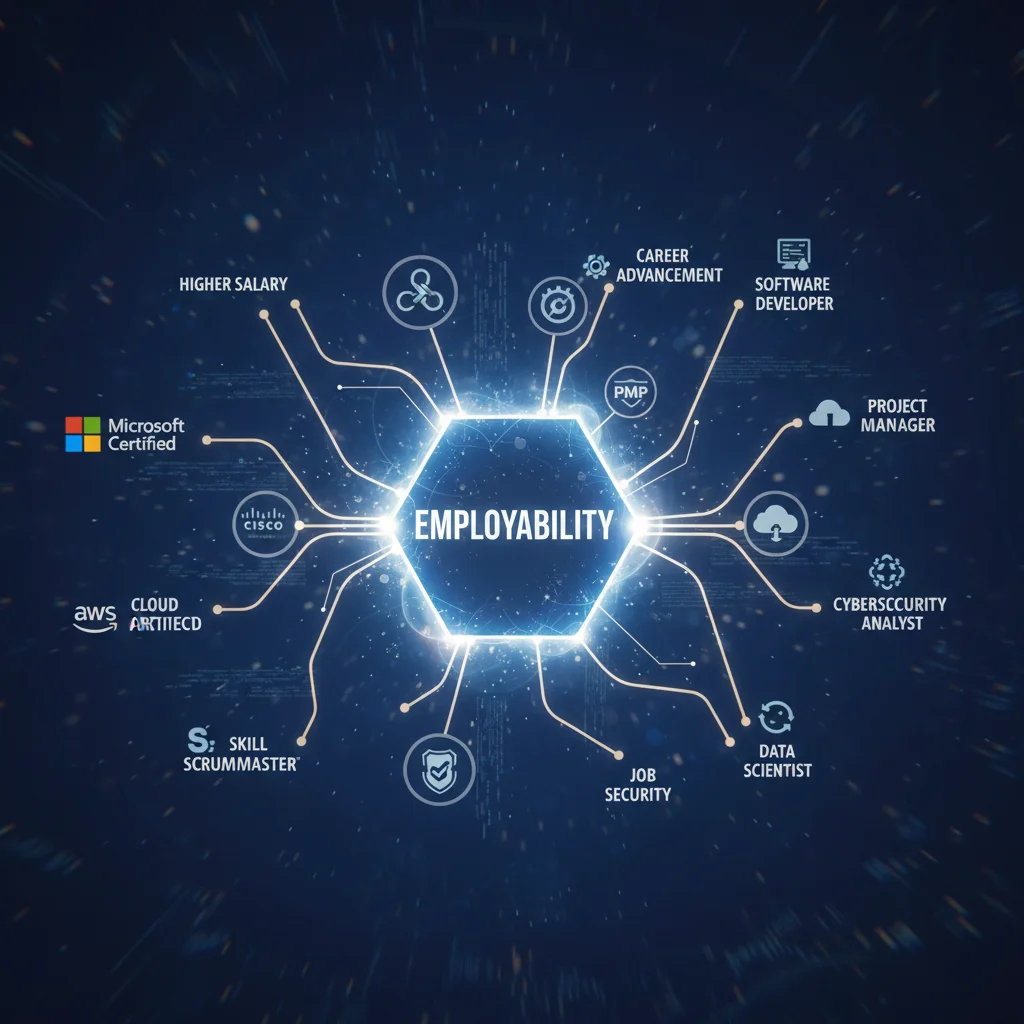
Bridging the women skill gap is not merely an individual endeavor; it’s a societal imperative. By empowering women with the skills and certifications needed for the jobs of the future, we foster a more equitable, innovative, and prosperous society. The certifications outlined above represent pathways to high-growth sectors, offering not just jobs but fulfilling careers with significant impact.
The commitment to lifelong learning and strategic skill development is the most powerful investment U.S. women can make in their professional futures. The goal of boosting employability by 20% by 2026 is an ambitious yet achievable target, underscoring the transformative power of targeted education and industry-recognized credentials. As women increasingly occupy leadership and technical roles, their diverse perspectives and talents will undoubtedly drive innovation and shape the trajectory of industries, benefiting everyone.
Take the first step today. Research these certifications, identify the one that best aligns with your aspirations, and embark on a journey of continuous learning and professional empowerment. The future workforce awaits your contributions, and with the right skills, you are poised to lead the way.