Future of Small Business Retail: 5 Key Trends for 2026
Anúncios
The Future of Small Business Retail: 5 Trends Shaping Consumer Experience in 2026
The retail world is in a constant state of flux, and for small businesses, staying ahead of the curve isn’t just an advantage – it’s a necessity for survival and growth. As we hurtle towards 2026, a new set of dynamics is emerging, profoundly influencing how consumers interact with their favorite local shops and independent brands. Understanding these shifts, particularly in the realm of Small Business Retail Trends, is paramount for any entrepreneur looking to future-proof their operations.
Anúncios
Gone are the days when a simple storefront and a good product were enough. Today’s consumer is more informed, more demanding, and more connected than ever before. They seek not just transactions, but experiences, values, and a sense of belonging. This article will delve into five pivotal trends that are poised to redefine the consumer experience in the small business retail sector by 2026. From hyper-personalization powered by data to the increasing demand for sustainable practices, and from the integration of artificial intelligence to the resurgence of local community hubs, these trends offer both challenges and immense opportunities for agile small businesses.
By embracing these forward-thinking strategies, small businesses can not only compete with larger enterprises but also carve out a unique and indispensable niche in the evolving marketplace. Let’s explore how these trends will shape the landscape and what you can do to prepare.
Anúncios
1. Hyper-Personalization: Beyond Basic Recommendations
In the digital age, consumers are accustomed to personalized experiences. However, by 2026, this will evolve into ‘hyper-personalization’ – a deep understanding of individual customer preferences, behaviors, and even moods, to deliver truly tailored interactions. For Small Business Retail Trends, this means leveraging data in sophisticated ways to create unique customer journeys.
The Evolution of Personalization
Traditional personalization often involved recommending products based on past purchases or browsing history. While effective, hyper-personalization takes it a step further. It integrates data from various touchpoints – online interactions, in-store visits, social media engagement, and even external factors like local events or weather – to predict needs and offer relevant solutions before the customer even articulates them. Imagine a local bookstore knowing your preferred genre, suggesting a new author based on your reading speed, and even recommending a related coffee blend from their in-store cafe, all before you step foot inside.
Actionable Strategies for Small Businesses:
- Customer Relationship Management (CRM) Systems: Invest in CRM software that allows you to collect and analyze customer data effectively. This isn’t just for large corporations; affordable and scalable CRM solutions are available for small businesses.
- Personalized Communication: Move beyond generic email blasts. Segment your customer base and send targeted emails or SMS messages with product recommendations, exclusive offers, or event invitations that resonate with their specific interests.
- In-Store Personalization: Train your staff to recognize loyal customers and greet them by name. Empower them with access to customer preferences (e.g., their favorite coffee order, recent purchases) to facilitate more meaningful interactions.
- AI-Powered Recommendations: While this might sound futuristic, AI tools are becoming increasingly accessible. Consider integrating AI-powered recommendation engines into your e-commerce platform to provide truly relevant product suggestions.
- Loyalty Programs with a Twist: Design loyalty programs that offer personalized rewards, not just generic discounts. This could be early access to new products, exclusive workshops, or even personalized styling advice.
The key to successful hyper-personalization lies in building trust and demonstrating value. Consumers are more willing to share data when they see a tangible benefit in return. Small businesses, with their inherent ability to foster closer relationships, are uniquely positioned to excel in this area, transforming casual shoppers into devoted patrons.
2. Sustainability and Ethical Consumption: More Than Just a Buzzword
The demand for sustainable and ethically sourced products is no longer a niche market; it’s a mainstream expectation. By 2026, consumers will increasingly scrutinize the environmental and social impact of their purchases, making sustainability a crucial differentiator for Small Business Retail Trends.
The Rise of Conscious Consumers
Today’s consumers, particularly younger generations, are acutely aware of climate change, social inequality, and ethical labor practices. They are willing to pay a premium for products that align with their values and are quick to disengage with brands that don’t. This means transparent supply chains, eco-friendly packaging, fair trade practices, and a commitment to reducing carbon footprints are no longer optional but essential components of a successful retail strategy.
How Small Businesses Can Embrace Sustainability:
- Source Locally and Ethically: Prioritize suppliers who share your commitment to sustainability and ethical practices. This not only reduces your carbon footprint but also supports other local businesses.
- Eco-Friendly Packaging: Replace single-use plastics with recyclable, compostable, or reusable packaging options. Communicate your efforts to your customers.
- Waste Reduction: Implement strategies to minimize waste throughout your operations, from inventory management to in-store practices. Consider offering repair services to extend product lifespans.
- Transparency is Key: Be open and honest about your sustainability journey. Share information about your sourcing, manufacturing processes, and environmental initiatives. Authenticity builds trust.
- Highlight Your Story: Use your marketing to tell the story behind your sustainable practices. Showcase the positive impact your business has on the environment and community.
- Offer Sustainable Product Lines: Curate a selection of products that are explicitly sustainable, organic, fair trade, or upcycled. Make it easy for customers to identify these options.
Small businesses have an advantage here: their size often allows for greater agility in adapting to sustainable practices and building direct relationships with ethical suppliers. Furthermore, their local presence often resonates with consumers who prioritize supporting businesses that contribute positively to their community and the planet.

3. AI and Automation: Enhancing Efficiency and Experience
Artificial intelligence (AI) and automation are no longer just for tech giants; they are becoming increasingly accessible and vital tools for small businesses. By 2026, these technologies will play a significant role in streamlining operations, personalizing customer interactions, and providing competitive insights, revolutionizing Small Business Retail Trends.
AI’s Role in Modern Retail
AI can assist small businesses in numerous ways, from managing inventory and predicting sales to powering customer service chatbots and analyzing marketing effectiveness. Automation, on the other hand, can free up valuable time by handling repetitive tasks, allowing business owners and their teams to focus on strategic initiatives and direct customer engagement.
Practical AI/Automation Applications for Small Businesses:
- Inventory Management: AI-powered inventory systems can predict demand more accurately, reduce stockouts, and minimize overstocking, leading to significant cost savings.
- Customer Service Chatbots: Implement chatbots on your website or social media to answer frequently asked questions, provide instant support, and guide customers through the purchasing process, even outside business hours. This enhances customer satisfaction and reduces staff workload.
- Personalized Marketing: AI algorithms can analyze customer data to create highly targeted marketing campaigns, optimizing ad spend and improving conversion rates.
- Sales Forecasting: Utilize AI tools to analyze historical sales data, market trends, and external factors to forecast future sales, helping with budgeting and resource allocation.
- Automated Email Marketing: Set up automated email sequences for welcome messages, abandoned carts, post-purchase follow-ups, and birthday greetings, all personalized for individual customers.
- Voice Commerce Integration: As voice assistants become more prevalent, consider optimizing your online presence for voice search and explore opportunities for voice-activated shopping.
- In-Store Analytics: AI-powered cameras can provide insights into customer traffic patterns, popular product displays, and dwell times, helping optimize store layouts and merchandising.
The key is to start small and scale up. Identify areas where AI and automation can solve immediate pain points or provide a clear competitive advantage. The goal isn’t to replace human interaction but to augment it, making operations more efficient and the customer experience more seamless and personalized.
4. Experiential Retail: Creating Memorable Moments
In an age dominated by online shopping, physical retail spaces must offer something more than just products. By 2026, experiential retail will be paramount, transforming stores into destinations that offer unique, engaging, and shareable experiences. This is a critical aspect of evolving Small Business Retail Trends.
The Shift from Transaction to Experience
Consumers are increasingly seeking experiences over possessions. For small businesses, this means creating an atmosphere where customers want to spend time, learn, and connect. It’s about crafting a narrative around your brand and offering opportunities for interaction that cannot be replicated online.
Ideas for Implementing Experiential Retail:
- Workshops and Classes: Offer workshops related to your products or industry. A cooking store could host culinary classes, a craft store could offer DIY sessions, or a plant shop could host terrarium-building workshops.
- In-Store Events: Host author readings, live music performances, art exhibitions, or product launch parties. These events drive foot traffic and create a sense of community.
- Interactive Displays: Incorporate interactive elements that encourage engagement. This could be a tasting station for food products, a beauty counter with personalized consultations, or a clothing store with virtual try-on mirrors.
- Sensory Marketing: Engage all five senses. Think about ambient music, unique scents, appealing visual merchandising, and opportunities for touch and taste (where appropriate).
- Pop-Up Experiences: Collaborate with other local businesses or artists to create temporary, unique pop-up experiences that generate buzz and curiosity.
- Personalized Consultations: Offer one-on-one appointments for styling advice, product demonstrations, or bespoke services. This adds a layer of exclusivity and personalized attention.
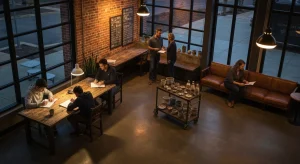
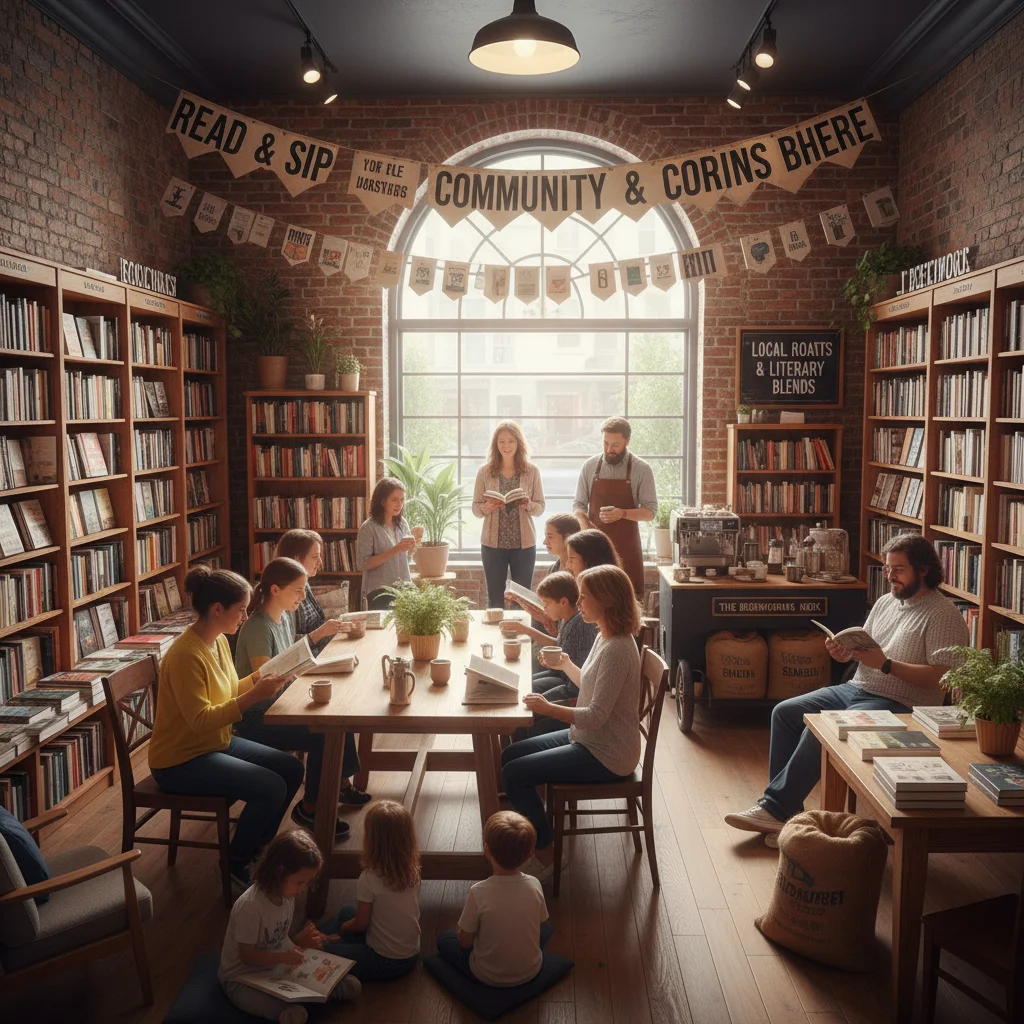
- Community Hubs: Design your space to be more than just a store. Include comfortable seating areas, a coffee bar, or a co-working space to encourage lingering and social interaction.
Experiential retail turns your store into a community asset and a place of discovery. It fosters deeper connections with customers, encourages word-of-mouth marketing, and provides a compelling reason for consumers to choose physical over digital shopping.
5. Community and Local Focus: The Power of Connection
In an increasingly globalized and digital world, the importance of local community and connection is experiencing a significant resurgence. By 2026, small businesses that actively engage with and serve their local communities will build unparalleled loyalty and resilience, marking a key shift in Small Business Retail Trends.
The Appeal of Localism
Consumers are increasingly conscious of supporting their local economies. They value the unique character that small businesses bring to their neighborhoods and appreciate the personal touch that often comes with independent retailers. This trend is amplified by a desire for authenticity and a sense of belonging.
Strategies for Building Community and Local Focus:
- Collaborate with Other Local Businesses: Partner with neighboring shops for cross-promotions, joint events, or shared marketing campaigns. This strengthens the local business ecosystem.
- Sponsor Local Events: Support local schools, sports teams, charities, or community festivals. This demonstrates your commitment to the community and increases brand visibility.
- Host Community Gatherings: Use your space as a venue for local meetings, book clubs, art groups, or workshops. Position your business as a community hub.
- Showcase Local Products: Feature products from local artisans, farmers, or manufacturers. This not only supports other local businesses but also appeals to customers seeking unique, locally sourced goods.
- Engage on Local Social Media: Be active in local online groups and forums. Share news about your business, promote local events, and engage in conversations with community members.
- Personalized Customer Service: Small businesses excel at building genuine relationships. Encourage your staff to learn customers’ names, remember their preferences, and engage in friendly conversation.
- Give Back: Implement initiatives that give back to the local community, whether through donations, volunteering, or special programs.
- Tell Your Local Story: Share the story of your business, its roots in the community, and the people behind it. This builds a deeper, more emotional connection with customers.
Building a strong local focus creates a virtuous cycle: the more you invest in your community, the more the community invests in you. This loyal customer base provides stability and advocates for your brand, which is invaluable in a competitive retail landscape.
Navigating the Future: Key Takeaways for Small Business Retail Trends
The retail environment of 2026 will undoubtedly be dynamic, challenging, and filled with opportunities. For small businesses, the ability to adapt and innovate will be crucial. The five trends discussed – hyper-personalization, sustainability, AI and automation, experiential retail, and a strong community focus – are not isolated concepts but interconnected pillars supporting a new paradigm of consumer engagement.
Embrace Agility and Innovation
Small businesses inherently possess an advantage in agility. Unlike large corporations with complex structures, independent retailers can pivot quickly, experiment with new ideas, and implement changes with greater speed. This adaptability will be a superpower in navigating the rapidly evolving landscape of Small Business Retail Trends.
Data-Driven Decisions
While the focus is often on human connection, data will be the silent engine driving many of these trends. Understanding customer behavior, preferences, and market shifts through data analysis will enable small businesses to make informed decisions, optimize their strategies, and personalize their offerings effectively. This doesn’t require a team of data scientists; accessible tools and platforms are available to help even the smallest of operations harness the power of data.
The Human Touch Remains Irreplaceable
Despite the rise of AI and automation, the human element remains irreplaceable, especially for small businesses. The ability to offer genuine customer service, build authentic relationships, and create a welcoming atmosphere is what truly sets independent retailers apart. Technology should be seen as a tool to enhance this human connection, not replace it.
Investing in the Customer Journey
The future of small business retail is less about selling products and more about curating an entire customer journey. From the moment a potential customer discovers your brand to their post-purchase experience, every touchpoint is an opportunity to delight, engage, and build loyalty. This holistic approach, integrating online and offline experiences, will define success.
Building a Resilient Business Model
By integrating these trends, small businesses can build more resilient and future-proof business models. A diversified approach that combines a strong online presence with a compelling physical store, driven by data insights and rooted in community values, will be best equipped to thrive in the competitive retail landscape of 2026 and beyond.
Conclusion: Thriving in the New Retail Era
The future of small business retail is bright for those willing to embrace change and innovate. By focusing on hyper-personalization, committing to sustainability, leveraging AI and automation wisely, creating unforgettable experiences, and deepening community ties, small businesses can not only survive but truly flourish. These Small Business Retail Trends are not just predictions; they are actionable pathways to build stronger, more engaging, and more profitable businesses in the years to come. Start exploring these trends today, and position your small business at the forefront of the retail revolution.