The global shift towards sustainability isn’t just an environmental imperative; it’s a monumental economic opportunity. As the world grapples with climate change, resource scarcity, and pollution, the demand for innovative, eco-friendly solutions has skyrocketed. This surge has given rise to the "green economy," a sector characterized by jobs that contribute to preserving or restoring environmental quality. For women in the U.S., this burgeoning field presents an unparalleled chance to forge impactful and rewarding careers. The projections are clear: green jobs are not just growing; they are thriving, with an anticipated 18% increase by 2026. This article delves into the exciting world of green jobs women can pursue, highlighting six sustainable careers poised for significant growth and impact.
For too long, certain sectors have been male-dominated, but the green economy is breaking these molds. It’s a field that values diverse perspectives, problem-solving skills, and a commitment to a healthier planet – qualities that women bring in abundance. By stepping into these roles, women are not only securing their professional futures but also becoming vital agents of change, leading the charge towards a more sustainable and equitable world. Let’s explore the pathways that await.
Anúncios
The Green Economy: A New Frontier for Women’s Leadership and Innovation
The green economy is more than just a buzzword; it’s a transformative movement reshaping industries, creating new technologies, and redefining what it means to work with purpose. It encompasses a vast array of sectors, from renewable energy and sustainable agriculture to eco-tourism and waste management. At its core, the green economy is about achieving economic growth while simultaneously protecting and restoring the environment.
For women, this presents a unique moment. Traditionally underrepresented in STEM (Science, Technology, Engineering, and Mathematics) fields, the green sector is actively seeking diverse talent. The interdisciplinary nature of green jobs often requires a blend of scientific understanding, technological prowess, policy acumen, and community engagement – areas where women excel. As the demand for sustainable solutions intensifies, so does the need for skilled professionals who can drive innovation, implement sustainable practices, and educate communities.
Anúncios
The projected 18% growth in green jobs by 2026 is a compelling statistic. This isn’t merely about job creation; it’s about the creation of jobs that are resilient, forward-thinking, and deeply meaningful. Women entering this field are not just filling vacancies; they are shaping industries, influencing policy, and building a legacy of sustainability for future generations. This growth trajectory ensures that investments in education and training for green careers today will yield significant returns tomorrow, making it an incredibly attractive prospect for women seeking stable, impactful, and future-proof employment.
1. Renewable Energy Engineer: Powering the Future
The transition from fossil fuels to clean, renewable energy sources is at the heart of the green revolution. Renewable energy engineers are the masterminds behind this transformation, designing, developing, and implementing systems that harness power from the sun, wind, water, and geothermal sources. This field is dynamic, constantly evolving with new technologies and methodologies, offering continuous learning and innovation.
What They Do:
- Design and Development: They design solar panels, wind turbines, hydroelectric power plants, and geothermal systems. This involves complex calculations, material science, and understanding energy conversion processes.
- Project Management: Renewable energy engineers often manage projects from conception to completion, overseeing installation, testing, and maintenance of energy systems.
- Research and Innovation: A significant part of the role involves researching new technologies to improve efficiency, reduce costs, and integrate renewable energy into existing grids.
- Consultation: Many act as consultants for businesses and governments, advising on the best renewable energy solutions for specific needs and locations.
Skills Required:
- Strong foundation in engineering principles (electrical, mechanical, civil).
- Proficiency in CAD software and simulation tools.
- Analytical and problem-solving skills.
- Knowledge of renewable energy technologies and policies.
- Project management capabilities.
Why It’s a Top Green Job for Women:
The renewable energy sector is expanding rapidly, creating a high demand for skilled engineers. Women in this field are crucial for bringing diverse perspectives to complex engineering challenges, fostering innovation, and ensuring that renewable energy solutions are equitable and accessible. The sector offers competitive salaries, opportunities for global travel, and the immense satisfaction of contributing directly to climate change mitigation. It’s a field where technical expertise meets environmental passion, making it an ideal choice for women who want to build a sustainable future.
2. Environmental Scientist and Specialist: Guardians of the Ecosystem
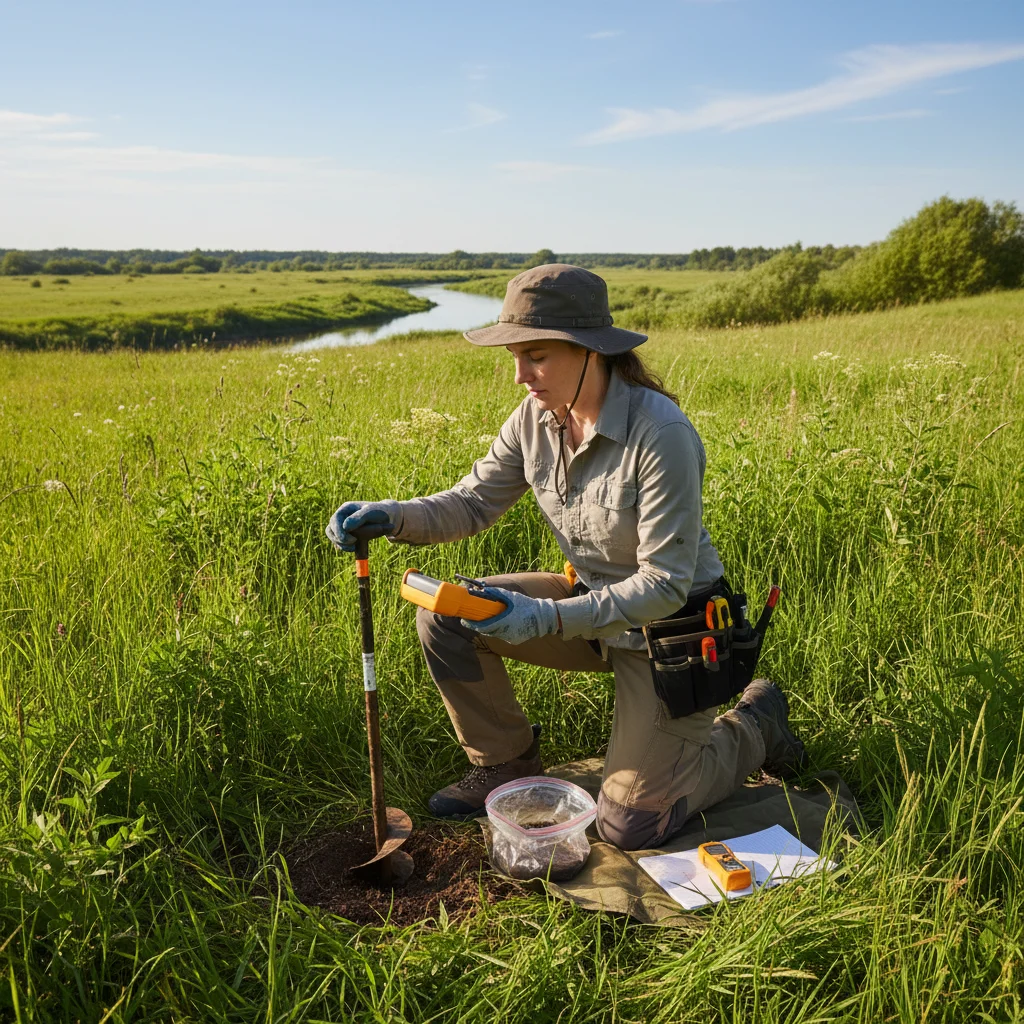
Environmental scientists and specialists are the detectives and problem-solvers of the natural world. They apply scientific knowledge to protect and improve environmental and human health. Their work is incredibly varied, ranging from analyzing pollution levels to developing conservation strategies and advising on environmental policies. This role is critical for understanding the complex interactions within ecosystems and designing effective interventions.
What They Do:
- Data Collection and Analysis: They collect and analyze environmental data, such as air, water, and soil samples, to identify pollutants and assess environmental impact.
- Research: Conduct studies on environmental issues, climate change, and biodiversity loss to understand their causes and effects.
- Policy Development: Advise governments and organizations on environmental regulations, conservation programs, and sustainable land use practices.
- Restoration Projects: Design and oversee projects aimed at restoring polluted sites, protecting endangered species, or managing natural resources.
- Education and Outreach: Often involved in educating the public and stakeholders about environmental issues and sustainable practices.
Skills Required:
- Strong background in biology, chemistry, ecology, or geology.
- Data analysis and statistical skills.
- Fieldwork and laboratory experience.
- Critical thinking and problem-solving abilities.
- Excellent written and verbal communication.
Why It’s a Top Green Job for Women:
This career path offers substantial intellectual stimulation and the chance to make tangible impacts on environmental health. Women are increasingly taking leadership roles in environmental science, bringing a holistic approach to complex ecological problems. The demand for environmental scientists is driven by increasing environmental regulations, public awareness, and the urgent need for sustainable resource management. It’s a field that allows for both scientific rigor and a deep connection to nature, appealing to women dedicated to preserving our planet.
3. Sustainability Consultant: Guiding Businesses to Go Green
As businesses worldwide recognize the importance of environmental responsibility, the role of a sustainability consultant has become indispensable. These professionals help organizations integrate sustainable practices into their operations, supply chains, and corporate strategies. They work across various industries, from manufacturing and retail to finance and technology, making sustainability a core component of business success.
What They Do:
- Assessments: Conduct environmental impact assessments and analyze a company’s current sustainability performance.
- Strategy Development: Develop tailored sustainability strategies, setting goals for energy reduction, waste minimization, and ethical sourcing.
- Implementation: Guide companies through the implementation of new sustainable practices and technologies.
- Compliance: Ensure businesses comply with environmental regulations and work towards certifications (e.g., LEED, ISO 14001).
- Reporting: Help businesses communicate their sustainability efforts to stakeholders and the public through reports and campaigns.
Skills Required:
- Deep understanding of sustainability principles and environmental regulations.
- Business acumen and strategic thinking.
- Excellent communication, presentation, and negotiation skills.
- Analytical skills to assess data and identify areas for improvement.
- Project management and change management capabilities.
Why It’s a Top Green Job for Women:
Sustainability consulting is a rapidly growing field, offering significant influence and impact. Women are particularly well-suited for this role due to their strong communication, collaboration, and strategic thinking abilities. They can effectively bridge the gap between environmental goals and business objectives, driving meaningful change from within organizations. This career offers flexibility, diverse project opportunities, and the satisfaction of helping companies become more responsible corporate citizens, contributing to a greener global economy.
4. Urban Planner (with a focus on Sustainable Development): Building Eco-Cities
With global populations increasingly concentrating in urban areas, the need for sustainable urban planning has never been more critical. Urban planners focused on sustainable development design and implement strategies for creating eco-friendly, resilient, and livable cities. Their work involves balancing economic development, social equity, and environmental protection in urban environments.
What They Do:
- Community Design: Plan the layout of cities and towns, including transportation networks, public spaces, and housing developments, with an emphasis on sustainability.
- Environmental Impact: Assess the environmental impact of urban development projects and propose mitigation strategies.
- Policy Development: Develop and enforce zoning laws, land-use policies, and building codes that promote sustainability, such as green building standards and public transit expansion.
- Resource Management: Plan for sustainable water management, waste reduction, and energy efficiency within urban areas.
- Community Engagement: Work with local communities, government officials, and developers to gather input and build consensus on urban development plans.
Skills Required:
- Knowledge of urban planning principles, environmental science, and public policy.
- Spatial analysis and GIS (Geographic Information Systems) expertise.
- Strong communication, negotiation, and mediation skills.
- Problem-solving and creative thinking.
- Understanding of social equity and community development.
Why It’s a Top Green Job for Women:
Sustainable urban planning offers a unique opportunity to shape the future of our communities. Women are increasingly leading initiatives in urban design, bringing a focus on inclusivity, community well-being, and ecological resilience. This role allows for a blend of creativity, analytical thinking, and direct community impact. As cities strive to become greener and more resilient to climate change, the demand for skilled sustainable urban planners will continue to rise, providing a stable and influential career path for women.
5. Hydrologist and Water Resource Specialist: Managing Our Most Precious Resource
Water is life, and as climate change intensifies, managing this vital resource becomes increasingly complex. Hydrologists and water resource specialists are at the forefront of understanding, protecting, and managing water supplies. Their work is essential for ensuring access to clean drinking water, managing floods and droughts, and sustaining aquatic ecosystems. This field is critical for both human well-being and ecological balance.
What They Do:
- Water Cycle Analysis: Study the movement, distribution, and quality of water on Earth, including rainfall, runoff, groundwater, and surface water.
- Resource Management: Develop plans for sustainable water use, conservation, and allocation for agriculture, industry, and municipal needs.
- Pollution Control: Identify sources of water pollution, assess their impact, and design strategies for remediation and prevention.
- Flood and Drought Mitigation: Forecast and manage water-related natural disasters, developing strategies to protect communities.
- Research and Modeling: Conduct research and use hydrological models to predict future water availability and inform policy decisions.
Skills Required:
- Strong background in hydrology, geology, environmental science, or civil engineering.
- Data analysis, modeling, and GIS skills.
- Fieldwork experience (e.g., collecting water samples, monitoring flow rates).
- Understanding of water quality standards and regulations.
- Problem-solving and critical thinking.
Why It’s a Top Green Job for Women:
The field of hydrology and water resource management is experiencing significant growth due to climate change impacts and increasing global water stress. Women are making vital contributions to this sector, bringing scientific expertise and a collaborative approach to solving complex water challenges. This career offers the chance to work in diverse environments, from laboratories to remote field sites, and to directly impact public health and environmental sustainability. It’s a rewarding path for women passionate about protecting and managing one of Earth’s most precious resources.
6. Sustainable Agriculture and Food Systems Specialist: Nurturing a Healthier Planet
The way we produce and consume food has a profound impact on the environment. Sustainable agriculture and food systems specialists work to create food systems that are environmentally sound, economically viable, and socially equitable. This involves promoting practices that conserve natural resources, reduce waste, and provide healthy food for all.
What They Do:
- Farm Management: Advise farmers on sustainable practices such as organic farming, regenerative agriculture, crop rotation, and water-efficient irrigation.
- Food Policy: Work with governments and organizations to develop policies that support local food systems, reduce food waste, and promote healthy eating.
- Supply Chain Optimization: Analyze and improve food supply chains to reduce environmental footprint, ensure fair labor practices, and enhance food security.
- Research and Development: Investigate new sustainable farming techniques, resilient crop varieties, and alternative food production methods.
- Education and Outreach: Educate consumers, farmers, and businesses about the benefits of sustainable food systems and how to participate.
Skills Required:
- Knowledge of agricultural science, ecology, and food systems.
- Understanding of sustainable farming practices and food policies.
- Research and analytical skills.
- Communication and community engagement abilities.
- Business and economic understanding related to food production.
Why It’s a Top Green Job for Women:
The sustainable agriculture sector is undergoing a significant transformation, driven by consumer demand for ethically produced food and the urgent need to address climate change in farming. Women are increasingly leading this movement, bringing innovative solutions to food production, distribution, and consumption. This career path offers the unique opportunity to connect with nature, support local communities, and address global challenges like food security and climate resilience. It’s a particularly fulfilling role for women who are passionate about nourishing both people and the planet.
Breaking Barriers: The Importance of Women in Green Careers
The presence of women in green careers is not just about diversity; it’s about efficacy. Research consistently shows that diverse teams lead to more innovative solutions, better decision-making, and stronger organizational performance. In the complex and multifaceted realm of sustainability, these attributes are paramount. Women bring unique perspectives to problem-solving, often emphasizing collaboration, community engagement, and long-term societal benefits alongside technological advancements.
Historically, women have been at the forefront of environmental movements, from Rachel Carson’s groundbreaking work on pesticides to contemporary climate activism. Their innate understanding of interconnectedness and their commitment to nurturing life make them natural leaders in the green sector. Moreover, by occupying these roles, women serve as vital role models, inspiring future generations of girls and young women to pursue STEM and environmental fields. This creates a virtuous cycle, further diversifying the talent pipeline and accelerating progress towards a sustainable future.
Addressing the existing gender gap in STEM and green industries requires concerted efforts, including mentorship programs, equitable hiring practices, and supportive work environments. Organizations that prioritize gender diversity in their green initiatives are not only doing the right thing but are also positioning themselves for greater success and innovation. The growth of green jobs women can fill is a testament to both the changing landscape of work and the undeniable value that women bring to these critical roles.
Education and Training Pathways for Aspiring Green Professionals
Embarking on a career in the green economy often requires specialized education and training. Fortunately, a wide array of options is available to help women gain the necessary skills and qualifications for these high-growth roles:
- Higher Education: Bachelor’s, Master’s, and Ph.D. programs in environmental science, sustainability, renewable energy engineering, urban planning, hydrology, and agricultural science are increasingly popular. Many universities now offer interdisciplinary programs that combine technical knowledge with policy and social sciences.
- Certifications and Vocational Training: For those seeking to enter the workforce more quickly or specialize in a particular area, certifications in areas like LEED (Leadership in Energy and Environmental Design), renewable energy installation, or sustainable agriculture can be invaluable. Vocational schools and community colleges often offer hands-on training programs.
- Online Courses and MOOCs: Platforms like Coursera, edX, and LinkedIn Learning offer numerous courses on sustainability, environmental management, data analysis, and green technologies, providing flexible learning opportunities.
- Internships and Apprenticeships: Practical experience is crucial. Internships with environmental organizations, government agencies, renewable energy companies, or sustainable farms offer invaluable real-world exposure and networking opportunities.
- Networking and Professional Organizations: Joining professional associations such as the Society of Environmental Journalists, Women in Renewable Energy, or the American Planning Association provides opportunities for mentorship, professional development, and staying current with industry trends.
Investing in education and continuous learning is key to thriving in the rapidly evolving green economy. The demand for skilled professionals means that employers are often willing to support further training and development, recognizing the long-term value of a highly qualified workforce.
The Economic and Social Impact of Women in Green Jobs
The impact of women in green jobs extends far beyond individual career success. On an economic level, their participation fuels innovation, drives productivity, and contributes to the overall growth of the green sector. As more women enter these fields, they help to diversify the talent pool, leading to more robust and resilient industries. Their work directly contributes to job creation, economic stability, and the development of new sustainable markets.
Socially, women in green jobs are powerful agents of change. They are at the forefront of addressing critical global challenges, from climate change and biodiversity loss to food security and access to clean water. Their advocacy and leadership help to raise awareness, influence policy, and mobilize communities towards sustainable practices. Furthermore, by occupying leadership roles, women help to dismantle gender stereotypes and promote greater equity within traditionally male-dominated fields.
The empowerment of women through green employment also has a ripple effect on families and communities. Increased economic independence for women often translates into better health, education, and well-being for their children, contributing to broader societal development. As women become leaders in sustainability, they inspire younger generations and foster a culture of environmental stewardship that benefits everyone.
Challenges and Opportunities for Women in Green Careers
While the opportunities in green jobs for women are immense, it’s also important to acknowledge potential challenges. These can include:
- Gender Bias and Stereotypes: Despite progress, women may still face implicit biases or stereotypes in STEM and engineering fields, which can affect hiring, promotion, and recognition.
- Work-Life Balance: Demanding roles, especially in fieldwork or project management, can sometimes present challenges for work-life balance, an issue that disproportionately affects women.
- Access to Mentorship and Networks: Building strong professional networks and finding mentors can be more challenging for women in fields where they are underrepresented.
- Funding and Investment: Women entrepreneurs in the green sector may face greater hurdles in securing funding for their sustainable ventures.
However, these challenges also present opportunities for advocacy and systemic change. Organizations, governments, and educational institutions are increasingly implementing initiatives to support women in green careers:
- Mentorship Programs: Dedicated programs connecting aspiring women with experienced female leaders in green fields.
- Diversity and Inclusion Policies: Companies adopting policies that promote equitable hiring, pay, and promotion practices.
- Flexible Work Arrangements: Implementing policies that support work-life balance, such as remote work options and flexible schedules.
- Funding for Women-Led Green Businesses: Initiatives and funds specifically aimed at supporting female entrepreneurs in sustainability.
- Community and Networking Groups: Platforms like Women in Green, GreenBiz, and local environmental groups provide invaluable support and networking opportunities.
By actively addressing these challenges and leveraging support systems, women can not only overcome obstacles but also thrive and lead in the green economy.
Conclusion: A Green and Bright Future for Women in the U.S.
The rise of the green economy marks a pivotal moment for women in the U.S. The projected 18% growth in green jobs by 2026 is not just a statistic; it’s a call to action and an invitation to participate in a transformative global movement. The six sustainable careers highlighted – Renewable Energy Engineer, Environmental Scientist and Specialist, Sustainability Consultant, Urban Planner, Hydrologist and Water Resource Specialist, and Sustainable Agriculture and Food Systems Specialist – represent just a fraction of the diverse opportunities available in this dynamic sector.
For women seeking careers that offer purpose, stability, and significant impact, the green economy is an undeniable frontier. It’s a field where their skills, perspectives, and leadership are not just valued but are essential for addressing the most pressing environmental challenges of our time. By embracing these opportunities, women are not only building successful careers for themselves but are also actively shaping a more sustainable, equitable, and prosperous future for all.
The future is green, and it’s increasingly being built by women. As we move towards 2026 and beyond, the influence and contributions of women in green jobs will continue to grow, proving that sustainability and gender equality are inextricably linked in the pursuit of a better world.