Higher Ed Trends 2026: Navigating Enrollment & Program Changes

Anúncios
The landscape of higher education is in a perpetual state of flux, constantly adapting to societal demands, technological advancements, and economic shifts. For U.S. students eyeing enrollment in 2026, understanding the prevailing Higher Education Trends is not just beneficial; it’s essential for making informed decisions about their academic and professional futures. This comprehensive guide delves into the critical shifts and innovations expected to define the higher education experience in the coming years, from evolving program structures to new financial aid paradigms and the ever-present influence of technology.
Anúncios
The Shifting Sands of Enrollment: What to Expect in 2026
Enrollment patterns in U.S. higher education have been a roller coaster over the past decade, influenced by demographic changes, economic downturns, and a reevaluation of the value proposition of a college degree. As we look towards 2026, several key Higher Education Trends are expected to shape who enrolls, where they enroll, and why.
Demographic Realities and Their Impact
One of the most significant factors influencing enrollment is demographics. The ‘birth dearth’ following the 2008 recession means a smaller cohort of traditional college-aged students will be entering the pipeline. This demographic dip, often referred to as the ‘enrollment cliff,’ will intensify competition among institutions for a shrinking pool of applicants. What does this mean for students? Potentially more aggressive recruitment efforts from universities, perhaps leading to more robust scholarship opportunities and innovative program offerings designed to attract and retain students.
Anúncios
The Rise of Non-Traditional Students
While the traditional 18-22 year old demographic may shrink, the number of non-traditional students is on the rise. This includes adult learners returning to upskill or reskill, part-time students balancing work and family, and individuals seeking specialized certifications rather than full degrees. Universities are increasingly recognizing this market and adapting their offerings to cater to these diverse needs. Expect to see more flexible scheduling, online and hybrid learning options, and competency-based education models becoming standard.
Geographic Shifts in Student Mobility
The pandemic significantly impacted student mobility, with many opting to stay closer to home. While some of this trend may reverse, a lasting effect could be a continued preference for in-state or regional institutions, especially if economic uncertainties persist. Institutions in less populated areas or those with unique niche programs might see a resurgence if they can effectively communicate their value proposition to a broader audience.
Program Changes and Curricular Innovations: Preparing for the Future Workforce
The demands of the modern workforce are evolving at an unprecedented pace, driven by automation, artificial intelligence, and global interconnectedness. Higher education institutions are scrambling to keep pace, leading to significant program changes and curricular innovations that are central to current Higher Education Trends.
Emphasis on Skills-Based Learning and Micro-credentials
The traditional four-year degree remains valuable, but there’s a growing recognition that employers often prioritize specific skills over broad knowledge. Expect to see a continued surge in skills-based learning, where programs are designed to impart practical, job-ready competencies. Micro-credentials, badges, and certificates that can be stacked to form larger qualifications are becoming increasingly popular. These offer students flexibility, quicker entry into the workforce, and the ability to specialize without committing to a full degree program.
Interdisciplinary Programs and Hybrid Fields
The most pressing global challenges and exciting career opportunities often lie at the intersection of traditional disciplines. Universities are responding by creating more interdisciplinary programs that blend subjects like computer science with biology (bioinformatics), ethics with AI, or design with engineering. Students pursuing these hybrid fields will be uniquely positioned to tackle complex problems and innovate across diverse sectors.
The AI Revolution in the Classroom
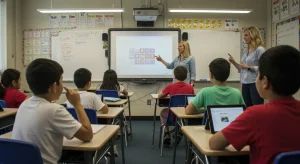
Artificial intelligence is not just changing the job market; it’s transforming the learning experience itself. AI-powered tools are being integrated into curriculum design, personalized learning paths, and even assessment methods. Students in 2026 will likely encounter AI as a learning assistant, a research tool, and a subject of study, irrespective of their major. Understanding AI’s capabilities and limitations will become a foundational skill.
Experiential Learning at the Forefront
Internships, co-ops, service learning, and project-based courses are no longer just ‘nice-to-haves’; they are becoming integral to the curriculum. Employers consistently seek candidates with practical experience, and universities are prioritizing these opportunities to ensure their graduates are workforce-ready. Expect more robust partnerships between academic institutions and industry to facilitate these experiences.
The Evolving Role of Technology: Beyond Online Learning
While online learning became a necessity during the pandemic, its evolution continues to be one of the most impactful Higher Education Trends. However, technology’s role extends far beyond simply delivering courses remotely.
Hybrid and HyFlex Models as the New Normal
Many institutions are settling into hybrid models, combining in-person and online instruction, offering the best of both worlds. HyFlex (Hybrid-Flexible) models take this a step further, allowing students to choose how they participate in each class session – in-person, synchronously online, or asynchronously online. This flexibility caters to diverse learning styles and life circumstances, making education more accessible.

Immersive Technologies: VR, AR, and Metaverse in Education
Virtual Reality (VR) and Augmented Reality (AR) are moving beyond niche applications and into mainstream education. Imagine medical students practicing surgery in a virtual operating room, architecture students walking through their designs before they’re built, or history students exploring ancient civilizations in AR. The ‘metaverse’ concept, while still nascent, holds the promise of creating deeply immersive and interactive learning environments that could redefine the campus experience.
Data Analytics for Student Success
Universities are leveraging data analytics to better understand student performance, identify at-risk students, and personalize support services. By analyzing learning patterns, engagement metrics, and academic progress, institutions can intervene early and offer targeted resources, ultimately improving retention and graduation rates. This data-driven approach is a key component of modern Higher Education Trends aimed at student success.
Cybersecurity Education and Awareness
As more of education moves online and institutions rely heavily on digital infrastructure, cybersecurity becomes paramount. Universities are not only bolstering their own defenses but also integrating cybersecurity education into various curricula, recognizing its importance in nearly every professional field.
Financial Aid and Affordability: Addressing the Cost Barrier
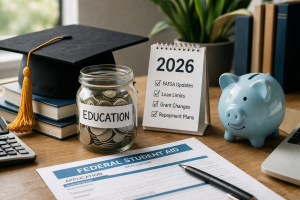
The cost of higher education remains a significant concern for many U.S. families. Addressing affordability and making college accessible is a perennial challenge and a major driver of current Higher Education Trends related to financial aid and funding models.
Increased Scrutiny on Tuition and Fees
Public and political pressure to control tuition costs is intensifying. While drastic cuts are unlikely, expect universities to be more transparent about their costs and to justify tuition increases more rigorously. Some states may increase funding to public institutions to help stabilize tuition, but this varies widely by region.
Evolving Federal and State Aid Programs
Federal financial aid programs, such as Pell Grants and federal student loans, are subject to legislative changes. Students in 2026 should stay informed about potential adjustments to eligibility criteria, maximum award amounts, and repayment options. State-specific aid programs also play a crucial role, and these often reflect state economic priorities and demographic needs.

Scholarships and Institutional Aid: A Competitive Landscape
As competition for students intensifies, institutional aid and scholarships will become even more critical. Universities may offer a wider range of merit-based and need-based scholarships to attract desired applicants. Students should be proactive in searching for and applying to these opportunities, as they can significantly reduce the financial burden.
Income-Share Agreements (ISAs) and Alternative Financing
Income-Share Agreements (ISAs), where students receive upfront funding in exchange for a percentage of their future income for a set period, are gaining traction as an alternative to traditional loans. While still a niche option, their popularity could grow, especially for programs with strong job placement rates. Other alternative financing models, such as employer-sponsored tuition assistance and philanthropic initiatives, are also expanding.
Wellness and Mental Health Support: A Holistic Approach to Student Success
The well-being of students has rightly taken center stage in higher education. Mental health challenges, exacerbated by the pressures of academic life and global events, are leading to a more holistic approach to student support, a vital aspect of current Higher Education Trends.
Expanded Mental Health Services
Universities are increasing funding and staffing for counseling centers, offering a wider range of services, including telecounseling, group therapy, and workshops on stress management and resilience. There’s also a greater emphasis on destigmatizing mental health issues and promoting open dialogue.
Integrated Wellness Programs
Beyond mental health, institutions are adopting broader wellness initiatives that encompass physical health, financial literacy, social connection, and spiritual well-being. These programs aim to support students comprehensively, recognizing that all aspects of their lives impact their academic performance.
Creating Inclusive and Supportive Campus Environments
Diversity, equity, and inclusion (DEI) initiatives are intertwined with student wellness. Creating campus environments where all students feel safe, respected, and supported is fundamental to their ability to thrive. This includes addressing issues of discrimination, promoting cultural understanding, and ensuring accessibility for students with disabilities.
Career Readiness and Post-Graduation Success: Bridging the Gap
Ultimately, a primary goal of higher education for many students is to secure meaningful employment and build a successful career. Universities are increasingly focusing on career readiness throughout the student journey, reflecting key Higher Education Trends.
Early and Continuous Career Exploration
Career services are no longer just for seniors. Institutions are integrating career exploration and planning into the early stages of a student’s academic life, helping them connect their interests and skills with potential career paths. This includes self-assessment tools, career counseling, and exposure to various industries.
Stronger Employer Partnerships
Collaborations with industry partners are becoming more sophisticated, moving beyond traditional job fairs. These partnerships often involve curriculum development to ensure programs align with industry needs, guest lectures from professionals, mentorship programs, and direct pipelines for internships and job placements.
Developing Soft Skills and Digital Literacy
While technical skills are crucial, employers consistently emphasize the importance of ‘soft skills’ such as critical thinking, problem-solving, communication, collaboration, and adaptability. Universities are designing curricula and co-curricular activities to intentionally develop these skills. Digital literacy, encompassing not just technical proficiency but also ethical digital citizenship, is also a growing focus.
Alumni Networks and Mentorship
Leveraging robust alumni networks for mentorship, networking opportunities, and career guidance is a growing trend. Alumni can provide invaluable insights, open doors to internships, and serve as mentors, helping current students navigate their career paths.
The Global Context: Internationalization and Global Citizenship
Even for students focusing on a domestic career, understanding the global context is increasingly important. Internationalization remains a significant aspect of Higher Education Trends.
Global Learning Experiences
While study abroad programs faced challenges during the pandemic, there’s renewed interest in providing students with global learning experiences. This might include traditional study abroad, but also virtual exchange programs, international internships, and courses with a strong global focus, even when taught on campus.
Developing Global Competencies
Universities are recognizing the need to cultivate ‘global competencies’ in their students – the ability to understand and navigate diverse cultures, perspectives, and global challenges. This is achieved through curriculum, campus diversity, and international partnerships.
Conclusion: Navigating Your Educational Journey in 2026
The world of higher education in 2026 will be dynamic, challenging, and filled with opportunities. For prospective and current U.S. students, staying abreast of these Higher Education Trends is paramount. From understanding shifts in enrollment demographics and the increasing emphasis on skills-based learning to leveraging evolving financial aid options and prioritizing well-being, preparation is key.
By actively researching institutions that align with these trends, engaging with career services early, and embracing the flexibility and innovation offered by modern educational models, students can strategically position themselves for success. The future of higher education is not just about earning a degree; it’s about acquiring a diverse skill set, fostering resilience, and becoming a lifelong learner equipped to thrive in an ever-changing world. Your journey into higher education in 2026 will be unique, shaped by these transformative forces, and ultimately, by the choices you make to adapt and excel.