Crafting a Realistic Budget for 2026: Achieve 20% Spending Cuts

Anúncios
Crafting a Realistic Budget for 2026: Achieve 20% Spending Cuts
As we approach 2026, many of us are looking for ways to gain better control over our finances, reduce stress, and build a more secure future. The concept of creating a realistic budget for 2026 is not just about tracking where your money goes; it’s about making conscious choices that align with your financial aspirations. This article will guide you through the process of developing a robust budget and, more importantly, equip you with strategies to cut unnecessary spending by a significant 20%. This ambitious yet achievable goal can dramatically impact your financial well-being, paving the way for greater savings, reduced debt, and improved financial freedom.
Anúncios
Financial planning often feels daunting, but with the right approach, it can be an empowering journey. The key to success lies in setting realistic goals and understanding your spending habits. A realistic budget for 2026 will serve as your financial roadmap, helping you navigate economic uncertainties and make informed decisions. Let’s delve into the steps to create an effective budget and implement powerful spending reduction techniques.
Anúncios
Understanding Your Current Financial Landscape
Before you can build a realistic budget for 2026, you need a clear picture of your current financial situation. This involves a thorough review of your income and expenses. Many people skip this crucial first step, leading to budgets that are either too restrictive or completely disconnected from reality.
Gathering Your Financial Data
The first step is to collect all relevant financial documents. This includes:
- Income Sources: Pay stubs, tax returns, bank statements showing direct deposits, and any other documentation for freelance income, rental income, or side hustles.
- Fixed Expenses: Mortgage/rent statements, loan payments (car, student, personal), insurance premiums, subscriptions (gym, streaming services, software), and utility bills (if they are relatively stable).
- Variable Expenses: Credit card statements, bank statements showing debit card transactions, and receipts for groceries, dining out, entertainment, transportation, and personal care.
Aim to gather at least three to six months’ worth of data. This will provide a more accurate average of your spending patterns, especially for variable expenses that fluctuate throughout the year. Don’t be afraid to confront the numbers; this is the foundation of your realistic budget for 2026.
Categorizing Your Spending
Once you have your data, categorize every single transaction. Common categories include:
- Housing (rent/mortgage, utilities)
- Transportation (car payment, gas, public transit)
- Food (groceries, dining out)
- Debt Payments (credit cards, loans)
- Insurance (health, auto, home)
- Personal Care (toiletries, haircuts)
- Entertainment (movies, concerts, hobbies)
- Savings & Investments
- Miscellaneous (unforeseen costs, gifts)
Many budgeting apps and spreadsheets can help automate this process, making it less tedious. The goal is to see exactly where your money is going, identifying potential areas for spending cuts. This initial audit is critical for developing a truly realistic budget for 2026.
Setting Realistic Financial Goals for 2026
A budget without goals is like a ship without a destination. What do you want to achieve financially in 2026? Do you want to pay off a specific debt, save for a down payment, build an emergency fund, or invest more? Your goals will dictate the structure and priorities of your realistic budget for 2026.
SMART Goals for Your Budget
Apply the SMART criteria to your financial goals:
- Specific: Instead of ‘save more,’ aim for ‘save $5,000 for a down payment.’
- Measurable: How will you track progress? (e.g., ‘reduce credit card debt by $200 per month’).
- Achievable: Are your goals realistic given your income and current expenses?
- Relevant: Do these goals align with your broader life objectives?
- Time-bound: Set a deadline (e.g., ‘by December 31, 2026’).
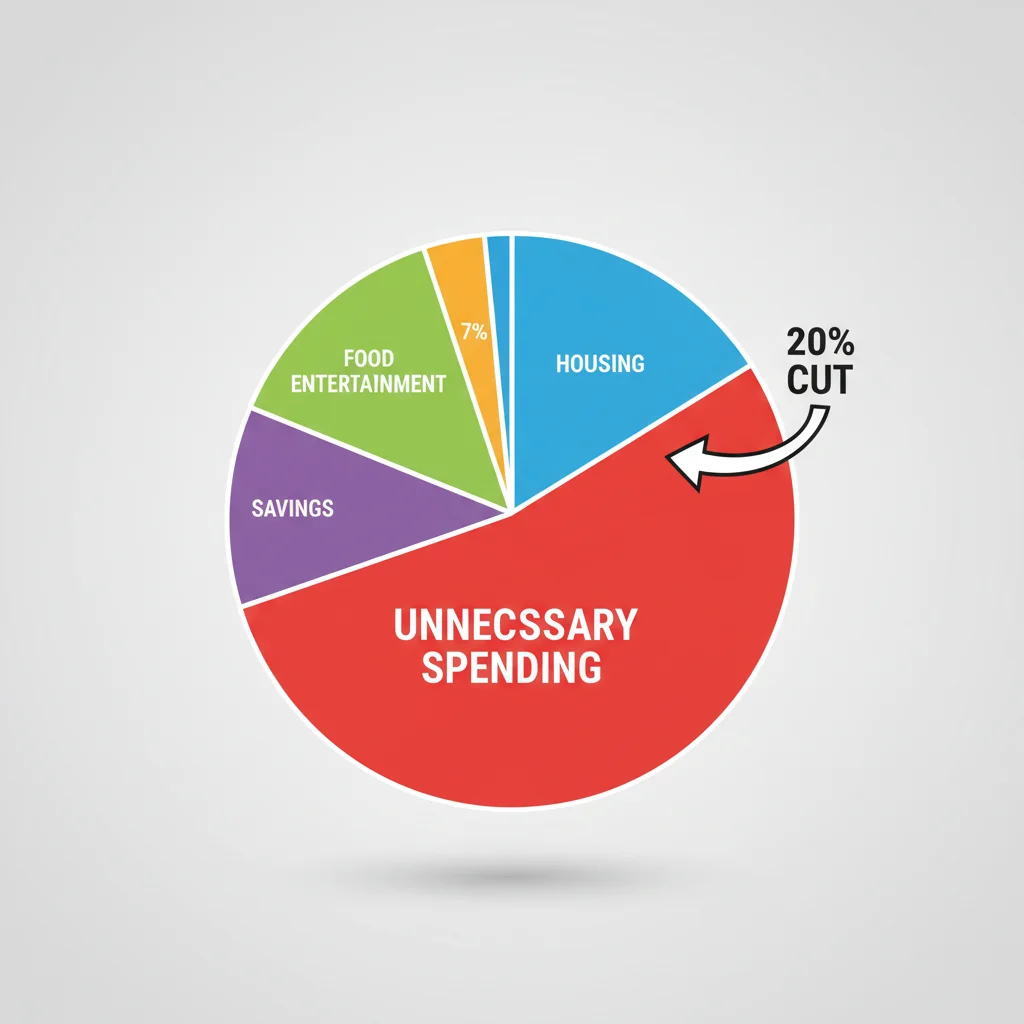
For instance, if your goal is to cut unnecessary spending by 20%, you need to quantify what that 20% represents in dollar terms. If your current monthly unnecessary spending is $500, a 20% cut means reducing it by $100. This clear target makes your realistic budget for 2026 much more actionable.
Building Your Realistic Budget for 2026
Now that you understand your current spending and have defined your goals, it’s time to construct your budget. There are several popular budgeting methods, and the best one for you is the one you’ll stick with.
The 50/30/20 Rule
This is a popular and straightforward budgeting guideline:
- 50% for Needs: Essential expenses like housing, utilities, groceries, transportation, and minimum loan payments.
- 30% for Wants: Discretionary spending such as dining out, entertainment, hobbies, vacations, and subscriptions. This is often where you’ll find the most opportunities for spending cuts.
- 20% for Savings & Debt Repayment: Contributions to an emergency fund, retirement accounts, investments, and extra payments on debt.
\
This rule provides a great starting point for creating a realistic budget for 2026. If your current allocation doesn’t match, you’ll see exactly where adjustments are needed.
Zero-Based Budgeting
With zero-based budgeting, every dollar of your income is assigned a job. This means your income minus your expenses (including savings and debt payments) should equal zero. This method requires more detailed tracking but ensures that you are intentionally allocating every penny, which can be highly effective for achieving specific spending reduction goals.
Envelope System
For those who prefer a more tactile approach, the envelope system involves allocating cash to specific spending categories (e.g., groceries, entertainment) at the beginning of the month. Once an envelope is empty, you stop spending in that category until the next month. This can be particularly effective for curbing overspending in variable categories.
Strategies to Cut Unnecessary Spending by 20%
This is where the rubber meets the road. Achieving a 20% reduction in unnecessary spending requires a combination of awareness, discipline, and strategic adjustments. Let’s break down where you can find these savings within your realistic budget for 2026.
Audit Your Subscriptions and Memberships
This is often the easiest place to find quick savings. How many streaming services do you actually use? Are you paying for a gym membership you rarely visit? Do you have software subscriptions that are no longer essential? Many people are surprised by how much they spend on recurring services they’ve forgotten about or no longer need.
- Action: List all your subscriptions. Cancel those you don’t use or can live without. Consider rotating streaming services instead of paying for all of them simultaneously.
Even small monthly fees add up. Eliminating just a few can contribute significantly to your 20% goal for your realistic budget for 2026.
Re-evaluate Your Dining Habits
Eating out, ordering delivery, and daily coffee runs are major culprits of budget overruns. While enjoyable, these expenses can quickly erode your savings potential.
- Action: Plan your meals. Cook at home more often. Pack your lunch for work. Brew coffee at home. When you do eat out, look for deals or choose less expensive options. Track how much you spend on food outside the home for a month; the numbers might shock you and motivate you to make changes in your realistic budget for 2026.
Optimize Your Transportation Costs
For many, transportation is a significant expense. Consider how you can reduce these costs:
- Action: Carpool, use public transportation, bike, or walk more often. If you have multiple cars, consider if one can be sold. Shop around for cheaper car insurance. Combine errands to save on gas. Regular vehicle maintenance can also prevent costly repairs down the line, supporting your realistic budget for 2026.
Smart Shopping Strategies
Impulse purchases and not planning your shopping trips can lead to unnecessary spending.
- Action: Create a shopping list and stick to it, especially for groceries. Avoid shopping when hungry or stressed. Compare prices online before making large purchases. Buy generic brands where appropriate. Look for sales and use coupons. Consider buying second-hand items for clothing, furniture, or electronics.
Reduce Utility Bills
While utilities are needs, there are often ways to reduce their cost.
- Action: Be mindful of energy consumption: turn off lights, unplug electronics, adjust your thermostat, and take shorter showers. Consider energy-efficient upgrades for your home. Shop around for better rates for internet or phone plans. A small adjustment here can make a difference in your realistic budget for 2026.
Question Every Purchase
Before buying anything that isn’t an absolute necessity, ask yourself:
- Do I really need this?
- Can I borrow it instead of buying it?
- Is there a cheaper alternative?
- How will this impact my financial goals for 2026?
- Can I wait 24-48 hours before buying to avoid impulse purchases?
\
\
This simple habit can prevent countless unnecessary expenditures and keep your realistic budget for 2026 on track.
Maintaining Your Realistic Budget for 2026
Creating a budget is only half the battle; sticking to it is the real challenge. Consistency and flexibility are key.
Regular Review and Adjustment
Your life circumstances will change, and so should your budget. Review your realistic budget for 2026 at least once a month. Are you meeting your spending targets? Are your goals still relevant? Make adjustments as needed. If you consistently overspend in one category, either find ways to cut back or adjust your budget to reflect a more realistic allocation.
Track Your Spending Religiously
You can’t manage what you don’t measure. Use a budgeting app, a spreadsheet, or even a simple notebook to track every dollar you spend. This awareness is crucial for identifying problem areas and celebrating successes. Seeing your progress will be a great motivator to continue adhering to your realistic budget for 2026.
Automate Your Savings
One of the most effective strategies is to pay yourself first. Set up automatic transfers from your checking account to your savings or investment accounts immediately after you get paid. This ensures that your savings goals are met before you have a chance to spend the money. This proactive approach significantly boosts your ability to achieve the 20% spending cut and overall financial objectives within your realistic budget for 2026.
Find Budget-Friendly Alternatives
Cutting spending doesn’t mean sacrificing all enjoyment. It means finding smarter ways to do the things you love.
- Instead of expensive concerts, explore free local events.
- Swap high-cost vacations for staycations or camping trips.
- Look for free educational resources online instead of paid courses.
- Host potlucks instead of dining out with friends.
\
These alternatives can help you maintain your lifestyle while adhering to your realistic budget for 2026.
Overcoming Budgeting Challenges
It’s normal to face obstacles when trying to stick to a budget. Don’t get discouraged if you slip up; simply get back on track.
Dealing with Unexpected Expenses
Life happens. Car repairs, medical emergencies, or home maintenance issues can derail a budget. This is why an emergency fund is critical. Aim for at least three to six months’ worth of living expenses. When an unexpected cost arises, dip into your emergency fund rather than going into debt, then replenish it as quickly as possible.
Avoiding Budget Burnout
Being too restrictive can lead to budget burnout. Allow for some ‘fun money’ in your budget, even if it’s a small amount. This prevents feelings of deprivation and makes your realistic budget for 2026 more sustainable in the long run. Remember, the goal is financial freedom, not financial misery.
Communicating with Your Household
If you share finances with a partner or family, open and honest communication is vital. Everyone needs to be on board with the budget and understand the shared financial goals. Regular family meetings to discuss finances can help keep everyone aligned with your realistic budget for 2026.

The Long-Term Benefits of a Realistic Budget for 2026
While the immediate goal is to cut unnecessary spending by 20%, the benefits of creating and sticking to a realistic budget for 2026 extend far beyond the next year.
- Reduced Financial Stress: Knowing where your money goes and having a plan reduces anxiety and provides a sense of control.
- Increased Savings: Consistently cutting spending frees up more money for your financial goals, whether it’s a down payment, retirement, or a dream vacation.
- Debt Reduction: Extra funds can be allocated to paying down high-interest debt faster, saving you money on interest payments.
- Improved Financial Literacy: The process of budgeting teaches you valuable skills about managing money, making informed financial decisions, and understanding the true cost of your choices.
- Greater Financial Freedom: Ultimately, a well-managed budget empowers you to make choices that align with your values and aspirations, leading to a more fulfilling life.
\
Conclusion: Your Path to Financial Empowerment in 2026
Creating a realistic budget for 2026 and committing to cutting unnecessary spending by 20% is a powerful step towards achieving financial empowerment. It requires an initial investment of time and effort, but the long-term rewards are immeasurable. Start by understanding your current financial situation, set clear and achievable goals, choose a budgeting method that works for you, and diligently implement strategies to reduce discretionary spending. Remember to review and adjust your budget regularly, track your progress, and celebrate your milestones.
Embrace the journey to financial wellness. With consistency and discipline, 2026 can be the year you take significant control of your money, build a strong financial foundation, and move closer to your dreams. Your financial future is in your hands; make your realistic budget for 2026 the cornerstone of your success.