2026 FAFSA Changes: Women’s Guide to Federal Student Aid & Grant Eligibility

Anúncios
Navigating 2026 Federal Student Aid Changes: What Women Need to Know About FAFSA Updates and Grant Eligibility
The landscape of financial aid for higher education is constantly evolving, and the upcoming 2026 FAFSA changes are set to bring significant shifts for students across the nation. For women pursuing higher education, understanding these updates is not just beneficial, but crucial for maximizing access to federal student aid and securing vital grant eligibility. This comprehensive guide will delve into the intricacies of the 2026 FAFSA changes, focusing specifically on their implications for women, and providing actionable insights to help you navigate the new system effectively.
Anúncios
Understanding the Core of the 2026 FAFSA Changes
The Free Application for Federal Student Aid (FAFSA) is the gateway to billions of dollars in federal grants, scholarships, work-study programs, and low-interest loans. The 2026 FAFSA changes are part of a broader effort to simplify the application process and expand eligibility for federal student aid. These reforms, initiated by the FAFSA Simplification Act, aim to make college more accessible and affordable for a wider range of students. While the spirit of these changes is positive, understanding the specific adjustments is key to ensuring you don’t miss out on opportunities.
Anúncios
One of the most significant 2026 FAFSA changes is the overhaul of how a student’s financial need is calculated. Previously, this was determined by the Expected Family Contribution (EFC). Under the new system, the EFC is replaced by the Student Aid Index (SAI). The SAI is designed to be a more accurate measure of a student’s ability to pay for college, taking into account various factors that were previously overlooked or given less weight. For many women, particularly those from low-income backgrounds, single-parent households, or those supporting dependents, this new calculation could lead to increased eligibility for aid.
Another pivotal aspect of the 2026 FAFSA changes involves the number of students from a single household attending college. The previous FAFSA formula divided the EFC by the number of college-going students, effectively reducing the EFC for each individual. The new SAI calculation, however, eliminates this benefit. While this might seem like a drawback for families with multiple children in college, it’s important to note that other adjustments in the SAI calculation may still lead to a net positive outcome for many. For women who are the only ones in their family attending college, this particular change will have less direct impact, but the overall framework of the 2026 FAFSA changes is still highly relevant.
Key Updates to FAFSA and Their Impact on Women
Let’s break down some of the most crucial 2026 FAFSA changes and explore how they might specifically affect women seeking federal student aid:
- The Shift from EFC to SAI: As mentioned, the Student Aid Index (SAI) replaces the Expected Family Contribution (EFC). This new formula aims to provide a more holistic view of a family’s financial situation. For women who are independent students, the SAI calculation will be largely based on their own income and assets, potentially offering more aid than before if their financial circumstances demonstrate significant need. Dependent women will see their parents’ income and assets assessed differently.
- Expanded Pell Grant Eligibility: This is a monumental change. The 2026 FAFSA changes are designed to significantly expand Pell Grant eligibility. The Pell Grant, a federal grant that does not need to be repaid, is a cornerstone of financial aid for many students. Under the new rules, more students, especially those from lower-income backgrounds, will qualify for Pell Grants, and some may even qualify for the maximum award based on family size and income. This is excellent news for women who often disproportionately bear the burden of educational costs, particularly those from marginalized communities or single-income households.
- Simplified Application Process: The FAFSA form itself is being streamlined. The number of questions has been reduced, and the language is intended to be clearer and more intuitive. This simplification aims to reduce barriers to application, which is particularly beneficial for first-generation college students and those who may find the current application daunting. A less complex application means more women can confidently apply for the aid they deserve.
- Direct Data Exchange with IRS: A major improvement for many applicants is the mandatory direct data exchange with the IRS. This means that income information will be directly transferred from the IRS to the FAFSA, reducing the need for manual input and minimizing errors. This can significantly simplify the application process for women and their families, making it faster and more accurate.
- New Treatment of Family Farms and Small Businesses: Previously, the net worth of family farms and small businesses was often excluded from asset calculations. The 2026 FAFSA changes will now include these assets in the SAI calculation. While this might seem concerning for some families, there are specific protections and considerations built into the new formula. Women from families who own farms or small businesses should pay close attention to how these assets are reported and assessed.
Maximizing Your Grant Eligibility Under the New System
With the 2026 FAFSA changes on the horizon, it’s more important than ever to understand how to maximize your grant eligibility. Grants, unlike loans, do not need to be repaid, making them the most desirable form of financial aid. Here’s how women can strategically approach the new system:
- File Early and Accurately: Even with a simplified form, filing the FAFSA as early as possible after it opens is crucial. Many state and institutional aid programs have limited funds and operate on a first-come, first-served basis. Accurate information is also paramount; errors can delay processing and impact your aid eligibility. The direct data exchange with the IRS should help with accuracy for income, but other asset information will still require careful input.
- Understand the SAI: Familiarize yourself with how the Student Aid Index (SAI) is calculated. While the full details are complex, understanding the general principles will help you anticipate your eligibility. Resources from the Department of Education and your prospective colleges will provide more specific guidance as the implementation date approaches.
- Explore State and Institutional Grants: Beyond federal grants like the Pell Grant, many states and individual colleges offer their own grant programs. These often have specific eligibility criteria, which may include academic merit, field of study, or residency. Research these opportunities thoroughly, as they can significantly supplement federal aid.
- Consider Your Dependency Status: For women, dependency status on the FAFSA can significantly impact aid eligibility. If you meet the criteria to be considered an independent student (e.g., you are over 24, married, a veteran, or have dependents of your own), your FAFSA will only consider your income and assets, which often leads to higher aid eligibility. Understand the specific criteria for independent status under the 2026 FAFSA changes.
- Report Special Circumstances: If your family’s financial situation has changed significantly since the tax year used for the FAFSA (e.g., job loss, divorce, unusual medical expenses), you can appeal to your college’s financial aid office. They have the discretion to adjust your SAI based on these special circumstances. Don’t hesitate to advocate for yourself if your current financial reality is not reflected in your FAFSA application.

Addressing Specific Concerns for Women in Higher Education
The 2026 FAFSA changes hold particular relevance for women, who often face unique challenges in pursuing and funding their education. These can include:
- Single Mothers and Caregivers: Women who are single mothers or primary caregivers often juggle multiple responsibilities, making financial aid even more critical. The expanded Pell Grant eligibility and potentially more favorable SAI calculations could be a game-changer for these individuals, providing the necessary support to pursue degrees that can lead to better career opportunities and financial stability for their families.
- Non-Traditional Students: Many women return to college later in life to pursue new careers, advance existing ones, or complete degrees they started years ago. These non-traditional students may have different financial profiles than recent high school graduates. The simplified FAFSA and updated aid calculations aim to be more inclusive of diverse student populations, which should benefit adult learners.
- Students from Low-Income Backgrounds: Women from low-income households are disproportionately affected by the rising cost of college. The focus of the 2026 FAFSA changes on expanding Pell Grant access and refining need-based aid calculations is specifically designed to support these students, helping to bridge the financial gap that often prevents them from accessing higher education.
- Impact of Dependent Status on Married Women: For married women who are considered dependents for FAFSA purposes, their spouse’s income and assets will be included in the SAI calculation. Understanding how these factors contribute to the overall SAI is crucial for anticipating aid eligibility.
- Graduate Students: While many of the FAFSA changes primarily impact undergraduate federal student aid, understanding the general shift in federal aid philosophy is still important for women considering graduate studies. Federal loans and some grant programs extend to graduate levels, and changes in the underlying system can have ripple effects.
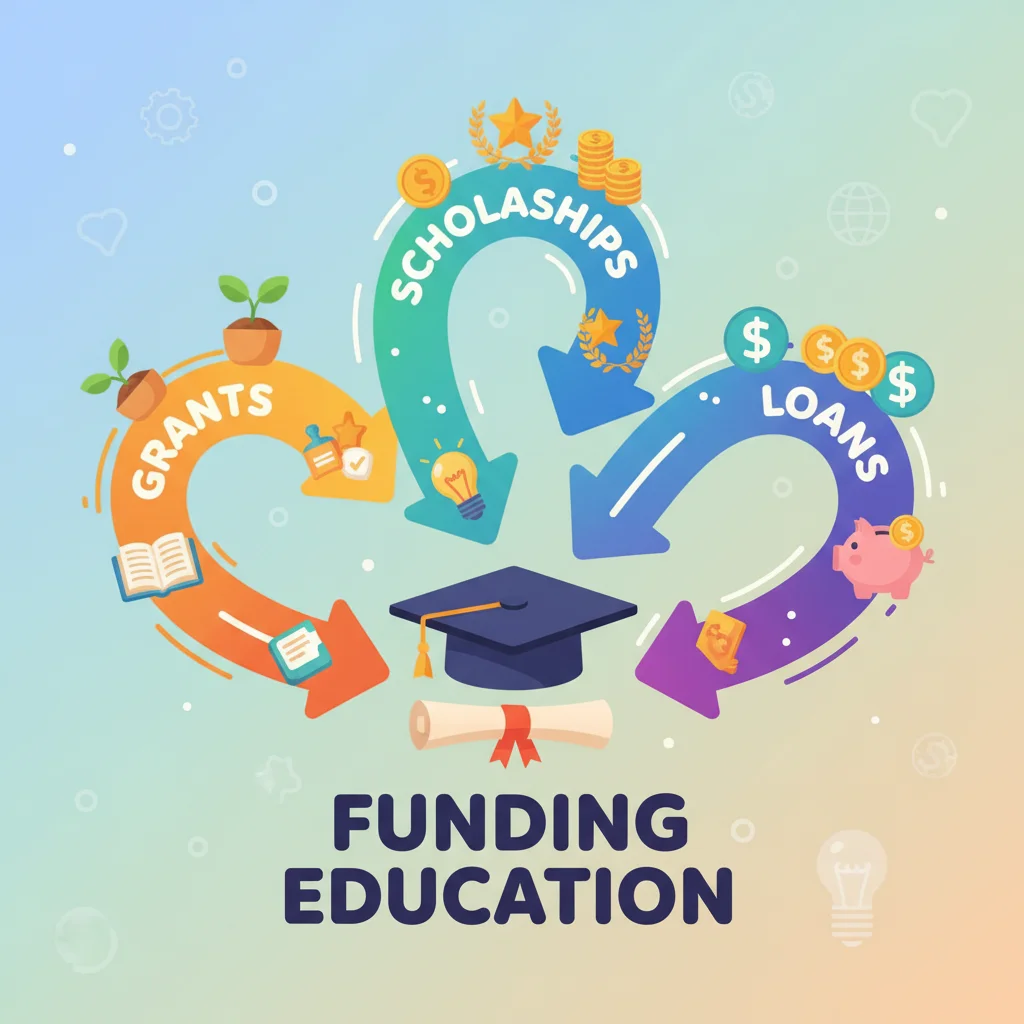
Beyond FAFSA: Exploring Other Avenues for Funding Your Education
While the 2026 FAFSA changes are significant, federal student aid is just one piece of the puzzle. Women should also actively pursue other funding opportunities:
Scholarships: Scholarships are a fantastic resource that, like grants, do not need to be repaid. Many organizations offer scholarships specifically for women, for particular fields of study (e.g., STEM, nursing), for specific demographics, or based on academic merit or community service. Utilize scholarship search engines, check with your college’s financial aid office, and explore local community foundations.
Institutional Aid: Colleges and universities often have their own endowments and funding sources for institutional scholarships and grants. These can be based on need, merit, or a combination of both. Always inquire about what your prospective schools offer directly.
Employer Tuition Assistance: If you are currently employed, check if your employer offers any tuition reimbursement or assistance programs. Many companies invest in their employees’ education, especially if it relates to their current or future roles within the company.
Private Loans (with caution): If federal aid, grants, and scholarships don’t cover the full cost, private student loans are an option. However, these typically come with higher interest rates and fewer borrower protections than federal loans. Exhaust all other options before considering private loans.
Work-Study Programs: Federal Work-Study allows students to earn money to help pay for educational expenses through part-time employment, often on campus. These jobs are typically flexible and designed to accommodate a student’s academic schedule. The 2026 FAFSA changes will impact eligibility for work-study, so understanding your SAI is key.
Preparing for the 2026 FAFSA Changes: A Timeline for Women
Staying ahead of the curve is essential. Here’s a general timeline to help women prepare for the 2026 FAFSA changes:
- Now (and continuously): Research prospective colleges and their specific financial aid offerings. Understand the cost of attendance (COA) at each institution, as this will play a role in determining your need. Begin exploring scholarship opportunities.
- Prior to Application Opening (Fall 2025 for 2026-2027 Aid Year): Gather all necessary financial documents. This includes tax returns (yours and/or your parents’ if you’re a dependent), W-2 forms, and records of any untaxed income or assets. Even though the IRS data exchange will pull tax info, having your documents handy for verification or other asset reporting is wise.
- When the 2026-2027 FAFSA Opens (expected October 1, 2025): Complete and submit your FAFSA as soon as possible. The earlier you file, the better your chances for receiving limited institutional and state aid.
- After Submission: Review your Student Aid Report (SAR) carefully for any errors. If you have special circumstances not reflected in your FAFSA, contact the financial aid office at your chosen institutions to discuss a professional judgment review.
- Throughout the Aid Year: Reapply for FAFSA each year you plan to attend college. Your financial situation can change, and so can your aid eligibility.
The Broader Impact: Why These Changes Matter for Women’s Educational Equity
The 2026 FAFSA changes are not just about paperwork; they represent a significant step towards greater educational equity. For women, who have historically faced systemic barriers to education and economic advancement, these reforms can be particularly impactful. By simplifying the application process and expanding grant eligibility, especially for Pell Grants, more women will have the opportunity to pursue higher education without being burdened by insurmountable debt.
Increased access to education for women leads to a multitude of societal benefits: greater economic independence, enhanced career opportunities, improved health outcomes for families, and stronger communities. When women are empowered through education, they are better positioned to contribute to the workforce, innovate, and lead. The 2026 FAFSA changes, by making federal student aid more accessible, play a vital role in fostering this empowerment.
Conclusion: Empowering Your Educational Journey with the New FAFSA
The 2026 FAFSA changes represent a pivotal moment in federal student aid. While change can sometimes feel daunting, these updates are largely designed to benefit students, particularly those with the greatest financial need. For women planning their educational futures, understanding these changes, proactively preparing, and diligently applying for all available aid will be key to unlocking opportunities.
Stay informed, utilize the resources available from the Department of Education and your chosen institutions, and remember that financial aid is a dynamic process. By taking control of your financial aid journey, you can navigate the 2026 FAFSA changes with confidence, secure the funding you need, and achieve your academic and career aspirations. Your educational goals are within reach, and the revamped federal student aid system is here to help you get there.
Don’t let the complexities deter you. Every dollar of federal student aid, especially grants, can significantly reduce the financial burden of college and make your dreams a reality. Embrace the new FAFSA, and empower your future.