CSS Profile Optimization 2026: Boost Financial Aid Eligibility

Anúncios
Navigating the complex world of college financial aid can feel like solving a multi-layered puzzle. For many families, the Free Application for Federal Student Aid (FAFSA) is just one piece of that puzzle. The other, equally crucial, component for securing institutional aid from hundreds of private colleges and universities is the College Scholarship Service (CSS) Profile. As we look towards the 2026 application cycle, understanding and mastering CSS Profile optimization is more critical than ever. This comprehensive guide will equip you with the insights and strategies needed to maximize your eligibility for grants and scholarships, ensuring your college dreams are within reach.
Anúncios
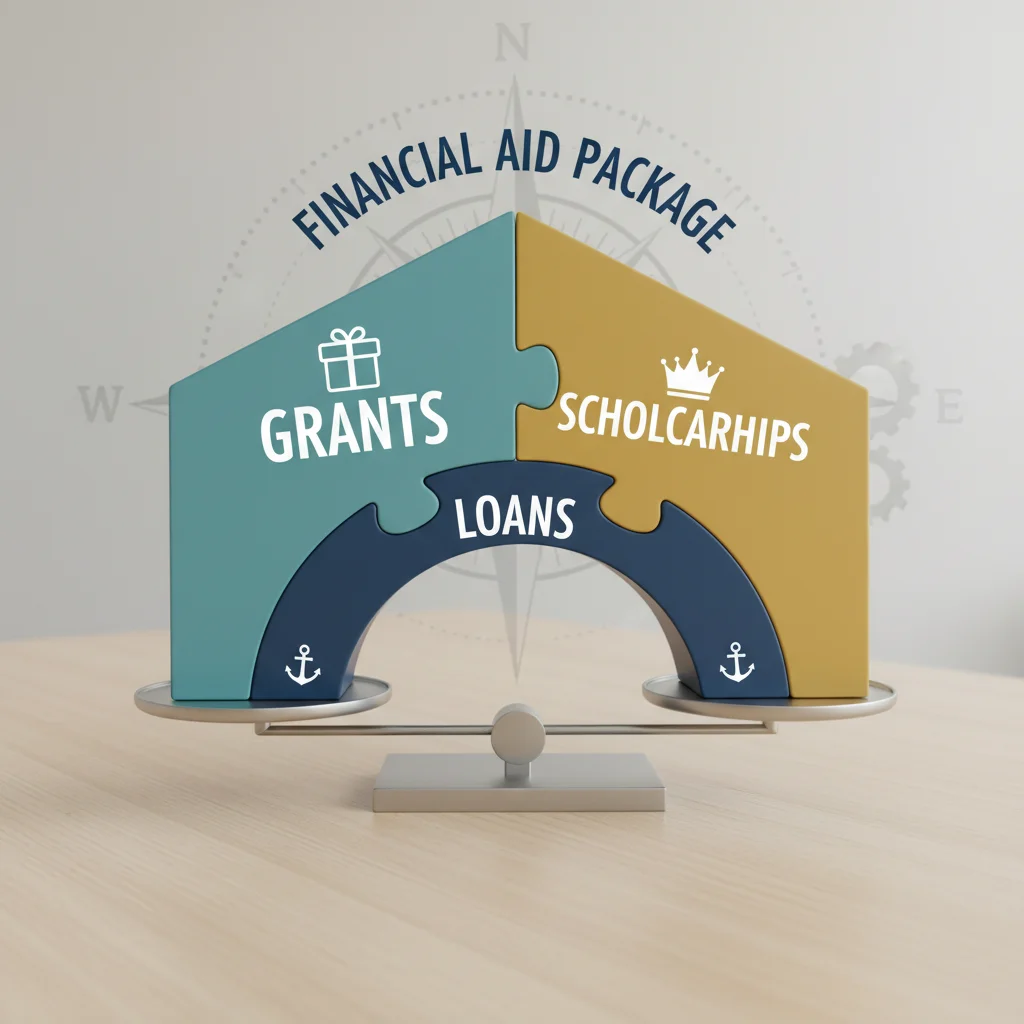
The CSS Profile, administered by the College Board, delves much deeper into a family’s financial situation than the FAFSA. While FAFSA primarily determines eligibility for federal aid, the CSS Profile provides colleges with a holistic view of your family’s financial strength, allowing them to award their own institutional aid. This aid often comes in the form of grants and scholarships, which do not need to be repaid. Therefore, a well-optimized CSS Profile can translate into significant savings on tuition costs.
The landscape of financial aid is constantly evolving, with changes in regulations, institutional policies, and economic factors. Preparing for the 2026 cycle means staying ahead of these trends and understanding how to present your financial information in the most favorable light, all while adhering to strict guidelines. Our focus here is on providing practical, actionable advice that goes beyond the surface-level instructions, giving you an insider’s edge.
Anúncios
Understanding the Nuances of the CSS Profile for 2026
Before diving into optimization strategies, it’s essential to grasp what the CSS Profile entails and how it differs from the FAFSA. The CSS Profile is used by approximately 400 colleges, universities, and scholarship programs to award non-federal financial aid. Unlike FAFSA, which primarily considers income and assets, the CSS Profile asks for more detailed information, including home equity, small business values, non-custodial parent information, and even retirement savings (though often excluded from calculations). This deeper dive allows institutions to tailor aid packages more precisely to a family’s demonstrated need.
Key Differences from FAFSA: A Quick Overview
- Home Equity: Many CSS Profile schools consider home equity as an asset, unlike FAFSA. This can significantly impact your Expected Family Contribution (EFC).
- Small Business/Farm Equity: For businesses with more than 100 employees, the CSS Profile often includes their net worth as an asset. FAFSA generally excludes small businesses with fewer than 100 employees.
- Non-Custodial Parent Information: A significant number of CSS Profile institutions require financial information from both biological parents, even if they are divorced or separated. This is a crucial distinction from FAFSA, which only requires information from the custodial parent.
- Medical Expenses & Special Circumstances: The CSS Profile allows for more detailed reporting of unusual medical expenses, private elementary/secondary school tuition for other children, and other special circumstances that can impact a family’s ability to pay for college. This is where CSS Profile optimization truly begins to shine.
- Application Fee: Unlike the free FAFSA, the CSS Profile has an application fee, though fee waivers are available for eligible low-income students.
The 2026 cycle will continue to build on the established framework, but staying informed about any potential minor adjustments or new institutional requirements is always wise. Proactive planning, starting well in advance of the application deadlines, is the cornerstone of successful CSS Profile optimization.
Tip 1: Strategic Asset Management and Reporting
One of the most impactful areas for CSS Profile optimization lies in how you manage and report your family’s assets. Because the CSS Profile delves deeper, understanding which assets are counted and how they are weighed is vital.
Understanding Assessable vs. Non-Assessable Assets
Not all assets are treated equally. Generally, assets held in qualified retirement accounts (401(k)s, IRAs, 403(b)s) are not assessed by the CSS Profile, similar to FAFSA. However, non-retirement investment accounts (brokerage accounts, mutual funds), savings accounts, and checking accounts are typically assessed. The key difference, as mentioned, is often home equity and specific business assets.
Actionable Strategies for Asset Optimization:
- Prioritize Retirement Contributions: Maximize contributions to 401(k)s, IRAs, and other qualified retirement plans. Not only is this sound financial planning, but it also reduces your assessable assets for financial aid purposes. This is a fundamental aspect of CSS Profile optimization.
- Utilize 529 Plans Wisely: 529 college savings plans are generally treated favorably. When owned by a parent, they are considered a parental asset, assessed at a lower rate (typically 5.64%) than student-owned assets (20%). If the 529 is owned by an independent third party (like a grandparent), it’s generally not reported as an asset on the FAFSA or CSS Profile, but distributions from these plans can be counted as student income in subsequent years. Plan withdrawals carefully.
- Review Home Equity: This is a major differentiator. If you have substantial home equity, some CSS Profile schools will consider it. While liquidating your home isn’t practical or advisable for financial aid, understanding its impact is crucial. Some families might consider using home equity to pay down high-interest debt or make home improvements that increase its value but don’t translate directly to liquid assets. Be aware that policies on home equity can vary significantly between institutions.
Innovation in Spanish Services: Strategies for 10% Growth by 2026. - Manage Non-Custodial Parent Assets: If a non-custodial parent is required to submit a CSS Profile, their assets will also be considered. This can be a complex area, requiring careful communication and planning between divorced or separated parents.
Timing can also play a role. The CSS Profile asks for asset information as of the date you complete the application, while FAFSA uses the date you submit it. However, both generally look at prior-prior year tax information for income. Therefore, strategic asset adjustments should be considered well in advance of the application cycle.

Tip 2: Income Management and Reporting Best Practices
Income is the primary driver of your Expected Family Contribution (EFC) or Student Aid Index (SAI, under FAFSA Simplification). While the CSS Profile uses ‘prior-prior year’ income (meaning for the 2026-2027 academic year, you’ll report income from 2024), there are still strategies for effective income management and reporting.
Understanding Income on the CSS Profile
The CSS Profile considers all sources of income, including wages, salaries, bonuses, commissions, interest, dividends, capital gains, business income, and even untaxed income like child support and untaxed retirement distributions. It also asks for projected income for the current year, providing colleges with a more up-to-date picture.
Actionable Strategies for Income Optimization:
- Understand the Prior-Prior Year: For the 2026-2027 academic year, the CSS Profile will use your 2024 tax information. This means that financial decisions made in 2024 will directly impact your aid eligibility for college in 2026. If you anticipate a significant income jump in 2024, consider whether it can be deferred or managed strategically.
- Minimize Capital Gains: If you plan to sell appreciated assets (stocks, real estate), consider the timing. Large capital gains in the ‘prior-prior year’ can significantly increase your EFC. If possible, defer sales until after the relevant income year has passed for aid calculations.
- Beware of Bonuses and Severance: Large one-time income events like bonuses, severance pay, or early retirement payouts can dramatically impact your aid eligibility. If these are anticipated, explore options to defer them or understand their full impact on your CSS Profile optimization strategy.
- Report All Untaxed Income Accurately: Child support received, untaxed portions of pensions, and other untaxed income sources must be reported. Accuracy is paramount to avoid issues.
- Project Current Year Income Realistically: The CSS Profile asks for an estimate of your current year’s income. Be as accurate as possible, and be prepared to explain any significant deviations from the prior-prior year’s income, especially if your income has decreased. This leads directly into the next tip.
Effective CSS Profile optimization isn’t about hiding income, but about understanding how different income streams are assessed and making informed financial decisions within the framework of financial aid regulations.
Tip 3: Leveraging Special Circumstances and Appeals
One of the most powerful features of the CSS Profile, and a critical component of CSS Profile optimization, is its flexibility in accounting for special circumstances. Life happens, and colleges understand that a family’s financial situation can change dramatically from the prior-prior year used for initial calculations.
What Qualifies as a Special Circumstance?
Colleges have discretion to adjust financial aid awards based on a family’s unique situation. Common special circumstances include:
- Loss of Employment: If a parent loses their job or experiences a significant reduction in income after the ‘prior-prior year.’
- High Medical Expenses: Unreimbursed medical or dental expenses that are substantial and unexpected.
- Tuition for Other Children: Significant expenses for private K-12 education for other siblings (though some colleges may have their own policies on this).
- Elder Care Expenses: Costs associated with caring for an elderly parent or family member.
- Natural Disaster Impact: Financial losses due to floods, fires, or other unforeseen events.
- Divorce or Separation: If parents have recently divorced or separated, and the financial situation has changed significantly.
- One-Time Income Spikes: If the prior-prior year income included a one-time event (e.g., a large bonus, severance pay, or an inheritance) that won’t be repeated.
How to Effectively Report and Appeal:
- Use the Special Circumstances Section: The CSS Profile has a dedicated section where you can explain unusual expenses or changes in income. Do not leave this blank if you have a valid reason to report. Be clear, concise, and provide specific details. This is your opportunity for proactive CSS Profile optimization.
- Gather Documentation: Colleges will require proof. This could include layoff notices, medical bills, tax returns, divorce decrees, or insurance claims. Start collecting these documents as soon as possible.
- Contact the Financial Aid Office Directly: Once you’ve submitted your CSS Profile, and if you believe your family’s financial situation isn’t accurately reflected, reach out to the financial aid office at each college. Explain your situation and ask about their specific appeal process. Each institution will have its own procedures.
- Be Persistent and Professional: Financial aid offices are often overwhelmed, but they are there to help. Be polite, persistent, and organized in your communication. Clearly articulate your family’s challenges and how they impact your ability to pay for college.
- Quantify the Impact: Whenever possible, translate your special circumstance into a dollar amount. For example, ‘Our medical expenses for 2025 totaled $15,000, which significantly reduced our discretionary income.’
Appealing for more aid is not a sign of weakness; it’s a demonstration of communication and advocacy. Many families successfully receive additional aid by effectively communicating their special circumstances. This is a vital, yet often overlooked, aspect of CSS Profile optimization.
Tip 4: The Non-Custodial Parent Factor and Collaboration
For divorced or separated parents, the non-custodial parent (NCP) requirement on the CSS Profile is often the most challenging aspect. Many CSS Profile schools require financial information from both biological parents, regardless of the custodial arrangement or remarriage status. This can significantly impact your aid eligibility if not handled correctly and is a critical area for CSS Profile optimization.
Understanding the Non-Custodial Parent CSS Profile
If a college requires NCP information, the non-custodial parent will need to complete their own separate CSS Profile. This profile will assess their income and assets to determine their contribution towards the student’s education. The contributions from both parents are then combined to calculate the total Expected Family Contribution (EFC) for the student.
Actionable Strategies for Navigating the NCP Requirement:
- Identify NCP Schools Early: When researching colleges, explicitly check their financial aid websites to see if they require the NCP CSS Profile. This information is usually found under their financial aid policies for divorced/separated parents.
- Communicate Proactively: This is perhaps the most challenging, yet most important, step. Initiate a conversation with the non-custodial parent as early as possible. Explain why their financial information is needed and what the process entails. Emphasize that their contribution is often calculated as part of the student’s aid package, not necessarily a direct payment to the custodial parent.
- Understand Waiver Policies: In some rare circumstances, colleges may waive the NCP requirement. This typically occurs in cases of documented abuse, abandonment, or lack of contact for an extended period. Each college has its own strict criteria and requires extensive documentation. Do not assume a waiver will be granted; it is an exception, not the rule.
- Provide Necessary Information: The custodial parent will often need to provide the non-custodial parent with the student’s College Board ID and CSS Profile password (or create a separate account for the NCP). Ensure all necessary details are shared securely and professionally.
- Be Prepared for Delays: If the non-custodial parent is uncooperative or slow to respond, it can delay the entire financial aid application process. Plan for this possibility and submit your portion of the CSS Profile as early as possible. Follow up diligently with the NCP and the financial aid office if there are significant delays.
Successfully managing the non-custodial parent requirement is a cornerstone of effective CSS Profile optimization for many families. It requires diplomacy, clear communication, and a thorough understanding of each college’s specific policies.
Additional Proactive Measures for CSS Profile Optimization
Beyond the four core tips, several other proactive measures can strengthen your CSS Profile and overall financial aid position for 2026.
1. Start Early and Stay Organized
The CSS Profile is detailed and requires significant documentation. Do not wait until the last minute. Gather all necessary financial documents (tax returns, W-2s, bank statements, investment statements, business records) well in advance. Create a dedicated folder, digital or physical, for all financial aid documents. Early submission can sometimes be advantageous, as some institutions operate on a first-come, first-served basis for certain aid funds.
2. Double-Check Everything for Accuracy
Errors, even minor ones, can lead to delays or incorrect aid calculations. Review every section of your CSS Profile carefully before submission. Cross-reference with your tax documents and financial statements. If you’re unsure about a specific question, contact the College Board’s CSS Profile helpline or the financial aid office of a prospective college for clarification. Accuracy is a fundamental aspect of CSS Profile optimization.
3. Understand Institutional-Specific Requirements
While the CSS Profile is standardized, individual colleges can add their own supplemental questions or have unique policies regarding certain assets or income. For example, some colleges might weigh home equity more heavily than others, or have different approaches to business assets. Always check the financial aid section of each college’s website that your student is applying to. This deep dive into institutional policies is crucial for tailored CSS Profile optimization.
4. Consider Professional Guidance
For families with complex financial situations (e.g., small business owners, high assets, divorced parents), working with a financial aid consultant or a college planning expert can be invaluable. These professionals can help you navigate the nuances of the CSS Profile, identify areas for optimization, and assist with appeals. Their expertise can potentially unlock thousands of dollars in additional aid.
5. Continuously Monitor and Update
Your financial situation can change even after submission. If there’s a significant change (e.g., job loss, major medical expense), don’t hesitate to update the financial aid offices of the colleges your student is considering. Be proactive and keep them informed. This ongoing engagement is part of a robust CSS Profile optimization strategy.
Conclusion: Empowering Your College Financial Journey for 2026
Optimizing your CSS Profile for the 2026 academic year is not merely about filling out a form; it’s about strategic financial planning, meticulous reporting, and proactive communication. By understanding the intricate details of how colleges assess your family’s financial strength, you can position yourself to receive the maximum amount of institutional aid.
From strategically managing assets and income to effectively leveraging special circumstances and navigating the complexities of non-custodial parent requirements, each tip provided in this guide is designed to empower you. The goal is to demystify the process and provide you with actionable steps to reduce the financial burden of a college education.
Remember, financial aid is often a negotiation and an advocacy process. Your diligence in preparing and presenting your CSS Profile can directly translate into a more affordable and accessible college experience. Start early, stay organized, and don’t be afraid to ask for help or appeal when necessary. With these expert tips and a proactive approach to CSS Profile optimization, you’ll be well on your way to securing the financial aid your student deserves for 2026 and beyond.