How to Achieve a 3-Month Emergency Fund by Mid-2026: A Step-by-Step Approach
In an unpredictable world, financial security is not just a luxury; it’s a necessity. One of the cornerstones of a stable financial life is a robust emergency fund. This dedicated savings pot acts as your safety net, ready to catch you when unexpected expenses arise, from job loss and medical emergencies to car repairs or home maintenance issues. Without it, a single unforeseen event can derail your financial progress, forcing you into debt or compromising your long-term goals. The good news? Building a substantial emergency fund is an achievable goal, and setting a clear deadline, such as mid-2026, makes it even more tangible.
Anúncios
This comprehensive guide will walk you through a step-by-step approach to achieving a 3-month emergency fund by mid-2026. We’ll delve into defining your target, assessing your current financial situation, creating a realistic budget, identifying opportunities to cut expenses and increase income, and implementing strategies to automate and grow your savings. By following these actionable strategies, you’ll not only build your emergency fund but also cultivate healthier financial habits that will serve you for years to come. Let’s embark on this journey to financial resilience together, focusing on how to build your emergency fund 2026.
Understanding the Importance of an Emergency Fund
Before diving into the ‘how,’ it’s crucial to understand the ‘why.’ An emergency fund isn’t just about having extra cash; it’s about peace of mind and protecting your financial future. Imagine facing an unexpected job layoff without any savings. How would you cover your rent, groceries, and other essential bills? The stress and potential financial fallout could be immense. An emergency fund mitigates this risk.
Anúncios
Typically, financial experts recommend having three to six months’ worth of essential living expenses saved. For the purpose of this guide, we’re targeting a 3-month emergency fund by mid-2026. This amount provides a solid buffer against most common financial shocks, giving you time to recover without resorting to high-interest credit cards or loans.
It’s important to distinguish an emergency fund from other savings goals. This isn’t for a down payment on a house, a vacation, or a new car. This money is strictly for emergencies. Keeping it separate and easily accessible, yet not too tempting for everyday spending, is key.
Step 1: Define Your 3-Month Emergency Fund Target
The first and most critical step in building your emergency fund 2026 is to clearly define how much money you need. This isn’t a guesswork exercise; it requires a detailed understanding of your monthly essential expenses.
Calculate Your Monthly Essential Expenses
Start by listing all your non-negotiable monthly expenses. These are the costs you absolutely cannot avoid if an emergency strikes. Think about:
- Housing: Rent or mortgage payments, property taxes, home insurance.
- Utilities: Electricity, gas, water, internet (essential for job searching).
- Food: Groceries (not dining out).
- Transportation: Car payments, insurance, gas, public transport.
- Healthcare: Insurance premiums, essential medications.
- Debt Minimums: Minimum payments on credit cards, student loans, or personal loans (though ideally, you’d pause extra payments during an emergency).
- Childcare: If applicable and essential for work.
Exclude discretionary spending like entertainment, dining out, subscriptions you can cancel, and non-essential shopping. The goal is to determine the absolute minimum you need to survive for a month.
Once you have this total, multiply it by three. This is your initial target for your 3-month emergency fund. For example, if your essential monthly expenses are $2,000, your target emergency fund is $6,000.
Step 2: Assess Your Current Financial Situation
Now that you know your target, it’s time to take an honest look at where you stand financially. This involves understanding your current income, existing savings, and any outstanding debts. This step is crucial for formulating a realistic plan to build your emergency fund 2026.
Review Your Income
List all sources of income you receive on a regular basis. This includes your primary salary, any side hustle income, rental income, or benefits. Be realistic about what is consistent and what might fluctuate.
Evaluate Existing Savings
Do you have any existing savings that could be allocated towards your emergency fund? If you have money in a regular savings account, consider moving it to a dedicated emergency fund account. If you have investments that are easily accessible without significant penalties, you might consider reallocating a portion, but generally, it’s best to keep emergency funds separate from investment portfolios.
Identify Debts
Make a list of all your debts, including credit cards, personal loans, student loans, and car loans. Note the interest rates and minimum payments. While the primary goal is to build an emergency fund, high-interest debt can be a significant hurdle. Some experts suggest tackling high-interest debt (above 10%) simultaneously or even before fully funding an emergency fund, after establishing a small starter fund (e.g., $1,000).
Step 3: Create a Detailed Budget
A budget is your financial roadmap. It helps you see where your money is going and identify areas where you can save. This is arguably the most powerful tool in your quest for an emergency fund 2026.
Track Your Spending
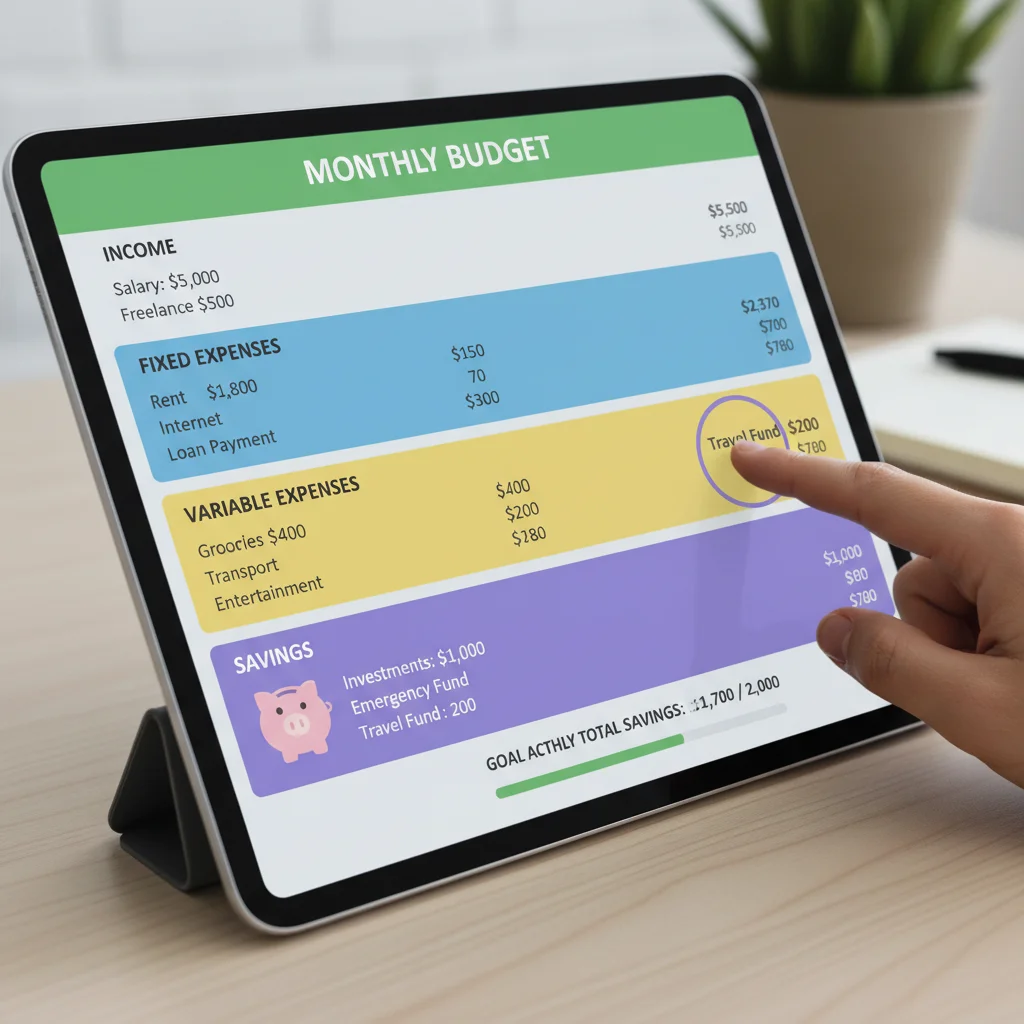
For at least one month, meticulously track every dollar you spend. You can use budgeting apps, spreadsheets, or even a pen and paper. This exercise often reveals surprising spending habits and hidden money leaks.
Categorize Expenses
Once you have your spending data, categorize it. This will help you distinguish between fixed expenses (rent, loan payments) and variable expenses (groceries, entertainment, dining out). This categorization is vital for identifying areas for reduction.
Allocate Funds to Your Emergency Fund
Based on your income and expenses, determine a realistic amount you can consistently contribute to your emergency fund each month. This should be treated as a non-negotiable expense, just like your rent or mortgage. Prioritize it.
Consider Budgeting Methods
Several budgeting methods can help you stay on track:
- 50/30/20 Rule: 50% needs, 30% wants, 20% savings/debt repayment. This provides a good framework.
- Zero-Based Budgeting: Every dollar has a job. You allocate all income to expenses, savings, or debt repayment until your balance is zero.
- Envelope System: For cash spenders, physically allocating cash to different expense categories.
Choose a method that resonates with you and stick with it. Regular review and adjustment of your budget are key to its success.
Step 4: Identify Opportunities to Cut Expenses
This is where many people find the most immediate impact on their savings rate. By strategically reducing your spending, you can free up more money for your emergency fund 2026.
Review Variable Expenses
Variable expenses are your prime targets for cuts. Look at categories like:
- Dining Out/Takeout: Can you cook more at home? Even reducing this by a few times a week can save significant amounts.
- Entertainment: Evaluate streaming services, movie nights, and other leisure activities. Are there cheaper alternatives or ways to reduce frequency?
- Subscriptions: Audit all your subscriptions – gym memberships, apps, magazines. Cancel anything you don’t regularly use.
- Shopping: Distinguish between needs and wants. Implement a ’30-day rule’ for non-essential purchases – if you still want it after 30 days, reconsider.
- Groceries: Plan meals, make a list, avoid impulse buys, and look for sales.
Negotiate Fixed Expenses
Don’t assume fixed expenses are set in stone. You might be able to negotiate:
- Insurance: Shop around for better rates on car, home, or health insurance.
- Internet/Cable/Phone: Call your providers and ask for lower rates or explore cheaper plans.
- Utilities: Look for ways to conserve energy and water.
Temporary Sacrifices for Long-Term Gain
Remember, these cuts might feel like sacrifices in the short term, but they are investments in your financial security. The goal is to accelerate the growth of your emergency fund 2026. Once your fund is established, you can reintroduce some of these expenses if your budget allows.
Step 5: Explore Ways to Increase Income
While cutting expenses is effective, increasing your income can significantly speed up your progress towards your emergency fund 2026 goal. Every extra dollar earned can go directly into your savings.
Side Hustles
Consider taking on a side hustle. The gig economy offers numerous opportunities:
- Freelancing: If you have marketable skills (writing, graphic design, web development, social media management), offer your services online.
- Delivery Services: Driving for ride-sharing or food delivery apps.
- Online Surveys/Tasks: While not highly lucrative, these can add up over time.
- Selling Unused Items: Declutter your home and sell clothes, electronics, or furniture you no longer need on platforms like eBay, Facebook Marketplace, or local consignment shops.
Ask for a Raise or Promotion
If you’ve been excelling at your job, consider asking for a raise or pursuing a promotion. Do your research on industry standards for your role and be prepared to articulate your value to your employer.
Optimize Your Main Job
Explore opportunities for overtime if available and financially beneficial. Can you take on additional responsibilities that might lead to a bonus or increased pay? Even small, consistent increases in income can make a big difference over time.
Step 6: Automate Your Savings
Consistency is paramount when building an emergency fund. Automating your savings removes the temptation to spend the money and ensures regular contributions. This is a powerful strategy for building your emergency fund 2026.
Set Up Automatic Transfers
The easiest way to automate savings is to set up a recurring automatic transfer from your checking account to your dedicated emergency fund savings account. Schedule this transfer to occur shortly after your paycheck hits your account – ideally, before you have a chance to spend it.
Direct Deposit Allocation
Many employers offer the option to split your direct deposit into multiple accounts. You can direct a portion of each paycheck directly into your emergency fund, so you never even see the money in your checking account.
Treat Savings as a Bill
Mentally (and practically) treat your emergency fund contribution as a non-negotiable bill. Just like you pay your rent or utilities, you pay yourself first. This shift in mindset is incredibly effective.
Step 7: Choose the Right Account for Your Emergency Fund
Where you store your emergency fund is almost as important as how much you save. The ideal account offers a balance of accessibility and growth for your emergency fund 2026.
High-Yield Savings Account (HYSA)
This is generally the recommended option. HYSAs offer significantly higher interest rates than traditional savings accounts, helping your money grow faster, even if modestly. They are also liquid, meaning you can access your funds easily when needed, usually within a day or two.
Consider Online Banks
Online banks often offer the best HYSA rates because they have lower overhead costs. They are FDIC-insured, so your money is safe up to $250,000 per depositor.
Avoid Investing Your Emergency Fund
While investing can offer higher returns, it also comes with risk and potential volatility. Your emergency fund needs to be stable and readily available, not subject to market fluctuations. Do not put your emergency fund into stocks, bonds, or mutual funds.
Keep it Separate
Ensure your emergency fund is in an account separate from your everyday checking and other savings goals. This prevents accidental spending and makes it clear what the money is for.
Step 8: Monitor Your Progress and Adjust as Needed
Building an emergency fund is not a ‘set it and forget it’ task. Regular monitoring and adjustments are essential to stay on track for your emergency fund 2026 goal.

Review Your Budget Monthly
At least once a month, review your budget and compare your actual spending with your planned spending. Identify any discrepancies and understand why they occurred. Adjust your budget for the next month based on your findings.
Track Your Emergency Fund Balance
Keep a close eye on your emergency fund balance. Celebrate milestones as you reach them – $1,000, one month’s expenses, two months’ expenses, and finally, your 3-month target. Visualizing your progress can be incredibly motivating.
Re-evaluate Your Target
Life changes. Your essential expenses might increase or decrease. Periodically (e.g., every six months or annually), re-evaluate your essential monthly expenses and adjust your emergency fund target accordingly. This ensures your fund remains adequate for your current situation.
Stay Flexible
There might be months where you can contribute more, and months where you might contribute less or even need to temporarily pause contributions. Don’t get discouraged. The key is to get back on track as soon as possible and maintain consistency over the long term.
Common Challenges and How to Overcome Them
Building an emergency fund 2026 can present challenges. Here’s how to navigate them:
Low Income
If your income is very low, even small savings can feel impossible. Focus intensely on cutting every non-essential expense. Explore all avenues for increasing income, even small side gigs. Remember, every dollar saved is a victory. Prioritize a small starter fund ($500-$1,000) first, then work on increasing income.
High Debt
High-interest debt can feel like a heavy burden. It’s a personal decision whether to focus on debt repayment or emergency fund building first. A common strategy is to build a mini-emergency fund ($1,000) first, then aggressively tackle high-interest debt, and then return to fully funding the emergency fund. This gives you a small buffer while you eliminate costly debt.
Lack of Motivation
It can be hard to stay motivated when the goal seems far away. Break your goal into smaller, more manageable milestones. Reward yourself (non-financially, or with a small, budgeted treat) when you hit these milestones. Remind yourself of the peace of mind and security your emergency fund will provide.
Unexpected Expenses During the Saving Period
It’s ironic, but sometimes an emergency strikes while you’re building your emergency fund. If this happens, use the funds you’ve saved. That’s what they’re for! Don’t feel like you’ve failed. Once the immediate crisis is over, recommit to rebuilding your fund. It’s a testament to why you’re saving in the first place.
Beyond the 3-Month Emergency Fund
Once you’ve successfully reached your 3-month emergency fund by mid-2026, pat yourself on the back! This is a significant financial achievement. But the journey doesn’t have to end there.
Consider a 6-Month Fund
For even greater security, especially if you have an unstable income, dependents, or work in an industry with high job insecurity, consider extending your emergency fund to six months’ worth of expenses. The strategies remain the same, just the target amount increases.
Focus on Other Financial Goals
With your emergency fund secured, you can now confidently allocate more of your income towards other important financial goals:
- Debt Repayment: Accelerate payments on student loans, car loans, or your mortgage.
- Retirement Savings: Increase contributions to your 401(k), IRA, or other retirement accounts.
- Down Payments: Save for a house, a car, or other large purchases.
- Investments: Begin or increase contributions to a brokerage account for long-term wealth building.
Having a fully funded emergency fund 2026 provides a stable foundation, allowing you to pursue these other goals without the constant worry of financial setbacks.
Conclusion
Building a 3-month emergency fund by mid-2026 is an ambitious yet entirely achievable goal that will profoundly impact your financial well-being. It requires dedication, discipline, and a clear plan, but the peace of mind and security it provides are invaluable.
By defining your target, assessing your finances, budgeting meticulously, cutting expenses, increasing income, automating savings, and choosing the right account, you are setting yourself up for success. Remember to monitor your progress, celebrate your milestones, and adapt your plan as life unfolds.
Start today. Take that first step, whether it’s calculating your essential expenses or setting up an automatic transfer. Every action, no matter how small, moves you closer to your goal of a fully funded emergency fund 2026. Your future self will thank you for the financial resilience and freedom you’ve built.