Federal Job Programs: Secure Your Future with U.S. Government Opportunities Until 2026

Anúncios
Time-Sensitive Opportunities: Federal Job Programs in the U.S. Accepting Applications Until December 2026
Are you looking for a stable career with competitive benefits, opportunities for growth, and the chance to serve your nation? The U.S. federal government offers a vast array of federal job programs across numerous agencies, departments, and fields. What’s more, many of these highly sought-after positions are actively seeking applicants, with deadlines extending all the way to December 2026. This presents a unique, time-sensitive window for individuals from all backgrounds and experience levels to secure a rewarding career in public service. Understanding these opportunities and how to navigate the application process is crucial for anyone aspiring to join the federal workforce.
Anúncios
The federal government is the nation’s largest employer, offering unparalleled diversity in roles ranging from IT specialists and engineers to scientists, healthcare professionals, administrative staff, and law enforcement officers. These federal job programs are not just about finding a job; they are about embarking on a career path that often comes with comprehensive health insurance, retirement plans, generous leave policies, and continuous professional development. With application windows open until late 2026, now is the opportune moment to strategically plan your entry into this robust employment sector.
Why Consider Federal Job Programs? Stability, Benefits, and Impact
In an ever-changing job market, the stability offered by federal job programs is a significant draw. Unlike the private sector, federal employment often provides a greater sense of job security, particularly for those who perform well. Beyond stability, the benefits package is often a major differentiator. Federal employees typically enjoy a comprehensive health benefits program (FEHB) that allows choices from a wide range of plans, life insurance (FEGLI), and a robust retirement system (FERS) which includes a basic benefit, Social Security, and the Thrift Savings Plan (TSP), a 401(k)-like program with matching contributions.
Anúncios
Furthermore, federal employment offers a unique opportunity to make a tangible impact on society. Whether you’re working to protect national security, advance scientific research, improve public health, or manage national resources, your work directly contributes to the well-being and progress of the United States. This sense of purpose and contribution is a powerful motivator for many who choose to pursue federal job programs. The sheer scale of federal operations means that there are roles for almost every skill set and interest, ensuring that individuals can find a niche where they can thrive and contribute meaningfully.
The extended application deadlines until December 2026 for many federal job programs provide ample time for prospective applicants to prepare thoroughly. This includes refining resumes, understanding federal resume formats, identifying relevant job series, and even pursuing additional education or certifications if needed. It’s an invitation to be proactive and strategic in your job search, leveraging the available time to present the strongest possible application.
Navigating USAJOBS: Your Gateway to Federal Employment
The primary portal for exploring and applying to federal job programs is USAJOBS (USAJOBS.gov). This website is the official employment site of the U.S. federal government and hosts thousands of job openings across various agencies. Familiarizing yourself with USAJOBS is the first critical step in your federal job search. It’s more than just a job board; it’s a comprehensive resource that allows you to search for jobs, create and store resumes, save job searches, and track your application status.
When using USAJOBS, it’s important to understand the nuances of federal job announcements. These announcements are often much more detailed than private sector job postings and contain critical information about duties, qualifications, required documents, and evaluation criteria. Pay close attention to the ‘Requirements’ and ‘Qualifications’ sections, as these are key to determining your eligibility and how to tailor your application materials. Many federal job programs specify certain education levels, experience types, or certifications that are non-negotiable.
One common mistake applicants make is submitting a standard private-sector resume. Federal resumes are typically longer and more detailed, often requiring specific keywords and comprehensive descriptions of duties, accomplishments, and skills that align with the job announcement. USAJOBS offers a resume builder tool that can help structure your resume in the federal format, guiding you to include all necessary information. Leveraging this tool and carefully reading the ‘How to Apply’ section of each job announcement will significantly increase your chances of success when applying for federal job programs.
Key Federal Agencies and Their Opportunities
The U.S. federal government is comprised of numerous departments and independent agencies, each with its unique mission and corresponding federal job programs. Understanding which agencies align with your skills and career aspirations can help narrow your search. Here are a few examples of major federal employers and the types of opportunities they frequently offer:
- Department of Defense (DoD): The largest federal employer, offering roles in engineering, IT, logistics, healthcare, cybersecurity, and administrative support for both civilian and military support functions.
- Department of Veterans Affairs (VA): Focuses on healthcare, social work, and administrative roles to support veterans. High demand for doctors, nurses, psychologists, and medical support staff.
- Department of Justice (DOJ): Opportunities in law enforcement (FBI, DEA, Marshals), legal professions, intelligence analysis, and administrative support.
- Department of Homeland Security (DHS): Encompasses agencies like TSA, CBP, FEMA, and Secret Service, offering roles in security, emergency management, immigration, and cybersecurity.
- Department of Health and Human Services (HHS): Includes NIH, CDC, FDA, offering scientific research, public health, medical, and policy-making roles.
- NASA: For those with a passion for space and science, NASA offers roles in aerospace engineering, scientific research, IT, and project management.
- Environmental Protection Agency (EPA): Focuses on environmental science, engineering, policy, and compliance roles.
Many of these agencies consistently have openings for federal job programs, and with the extended application window until December 2026, it’s an excellent time to research specific agency missions and identify where your talents can best be utilized. Each agency has unique culture and priorities, so researching them thoroughly can also help you determine the best fit for your long-term career goals.
Understanding Eligibility and Application Requirements
Eligibility for federal job programs can vary significantly based on the specific job, agency, and grade level. However, some general requirements apply to most federal positions:
- U.S. Citizenship: Most federal positions require U.S. citizenship. Some exceptions may exist for specific roles, but it’s a general rule.
- Age: Generally, applicants must be at least 18 years old. For law enforcement and certain other positions, there may be maximum age limits.
- Education and Experience: These are typically outlined in detail in the job announcement. Federal jobs use a ‘General Schedule’ (GS) pay scale, and each GS level has specific education and/or experience requirements. For example, entry-level positions might require a bachelor’s degree or a certain amount of relevant work experience, while higher-grade positions will demand advanced degrees or extensive professional experience.
- Security Clearance: Many federal job programs require a security clearance, especially those involving sensitive information or national security. The process can be lengthy and involves background checks, interviews, and verification of personal history.
- Drug Testing: Some positions, particularly those involving public safety or national security, require drug testing.
- Selective Service Registration: Males born after December 31, 1959, must be registered with the Selective Service System.
It is imperative to read each job announcement carefully to understand the specific eligibility criteria. Failing to meet even one requirement can lead to your application being rejected. The extended application period until December 2026 provides a buffer for individuals to ensure they meet all prerequisites, or to work towards meeting them if they are close.

Tips for Crafting a Winning Federal Application
Applying for federal job programs is a distinct process that requires attention to detail and strategic planning. Here are some tips to maximize your chances of success:
- Tailor Your Resume to Each Announcement: Do not use a generic resume. Each federal job announcement comes with specific keywords, duties, and qualifications. Customize your resume to directly address these, using language from the job posting.
- Quantify Your Achievements: Instead of simply listing duties, describe your accomplishments using numbers and specific examples. For instance, instead of “Managed projects,” write “Managed 10+ projects simultaneously, resulting in a 15% increase in efficiency.”
- Address Knowledge, Skills, and Abilities (KSAs): Many federal applications require you to address specific KSAs. Provide detailed narratives demonstrating how you possess each KSA, using the STAR method (Situation, Task, Action, Result) if applicable.
- Proofread Meticulously: Errors in grammar or spelling can immediately disqualify an applicant. Have someone else review your application materials.
- Start Early: Federal applications can be time-consuming. With deadlines extending to December 2026, you have the luxury of time, but don’t procrastinate. Begin early to gather all required documents and craft a thorough application.
- Utilize the USAJOBS Resume Builder: This tool helps ensure your resume meets federal standards and includes all necessary sections.
- Network: While less direct than in the private sector, networking can still provide insights into agencies and roles. Attend virtual career fairs or informational webinars hosted by federal agencies.
By following these guidelines, you can significantly enhance the quality of your application for federal job programs and stand out in a competitive applicant pool. Remember, the goal is to clearly demonstrate how your skills and experience directly align with the specific requirements of the position you are applying for.
Special Hiring Authorities and Programs
The federal government also employs several special hiring authorities and programs designed to bring diverse talent into the workforce. These can offer alternative pathways to employment for specific groups:
- Veterans’ Preference: Qualified veterans receive preference in hiring for many federal jobs. This is a significant advantage for those who have served.
- Individuals with Disabilities: The Schedule A hiring authority allows federal agencies to hire individuals with disabilities without requiring them to compete with the general public.
- Students & Recent Graduates (Pathways Program): This program offers internships and career development opportunities for students and recent graduates, often leading to permanent employment. This is an excellent entry point for those just starting their careers and looking into federal job programs.
- Military Spouses: Certain hiring authorities exist to support military spouses in their job search, recognizing the unique challenges they face due to frequent relocations.
- Peace Corps & AmeriCorps Alumni: These individuals may be eligible for non-competitive eligibility (NCE) for one year after completing their service, making it easier to secure federal employment.
If you fall into one of these categories, research the specific hiring authorities that apply to you on USAJOBS or OPM.gov. Leveraging these special programs can significantly streamline your path into federal job programs and provide a competitive edge. The availability of these programs further underscores the government’s commitment to building a diverse and inclusive workforce.
The Future of Federal Employment: Trends and Growth Areas
Looking ahead to December 2026 and beyond, several trends are shaping the landscape of federal job programs. Understanding these can help you strategically position yourself for future opportunities:
- Cybersecurity and IT: With increasing digital threats, the demand for cybersecurity experts, IT specialists, and data scientists across all agencies continues to grow exponentially.
- STEM Fields: Science, Technology, Engineering, and Mathematics roles remain critical for innovation, research, and national defense. This includes roles in advanced manufacturing, artificial intelligence, and biotechnology.
- Healthcare: The aging population and ongoing public health challenges ensure a consistent demand for healthcare professionals, particularly within the VA and HHS.
- Emergency Management: Agencies like FEMA will continue to require professionals skilled in disaster preparedness, response, and recovery due to increasing climate-related events.
- Remote Work Opportunities: While some federal jobs require on-site presence, many agencies are embracing remote and hybrid work models, expanding the geographical reach for federal job programs.
These growth areas indicate where the federal government is investing its resources and where future talent needs will be most pronounced. If your skills align with these trends, you may find an even wider array of federal job programs available to you. Staying informed about these trends can help you tailor your education and career development to meet future federal needs.
Preparing for the Federal Interview Process
Once your application for federal job programs has been reviewed and deemed competitive, you may be invited for an interview. Federal interviews often differ from private sector interviews. They are typically structured, with a focus on behavioral and situational questions designed to assess your past performance and how you would handle future scenarios. Common interview formats include:
- Panel Interviews: You may be interviewed by a panel of two or more individuals.
- Behavioral Questions: These often start with phrases like, “Tell me about a time when…” or “Give me an example of a situation where…” Prepare to use the STAR method to structure your answers.
- Situational Questions: These ask how you would react to hypothetical scenarios relevant to the job.
- Technical Questions: For specialized roles, you may be asked technical questions to assess your specific knowledge and skills.
Preparation is key. Research the agency, understand the job’s duties and responsibilities thoroughly, and practice answering common behavioral and situational questions. Be ready to articulate how your skills, experience, and values align with the mission of the agency and the requirements of the specific federal job programs you’ve applied for. Demonstrating enthusiasm, professionalism, and a clear understanding of public service values will leave a positive impression.
The Onboarding Process and Beyond
If you are selected for a position within one of the federal job programs, the onboarding process will begin. This typically involves extensive paperwork, background checks, and potentially a security clearance investigation, which can take several weeks or even months depending on the level of clearance required. Patience is crucial during this phase.
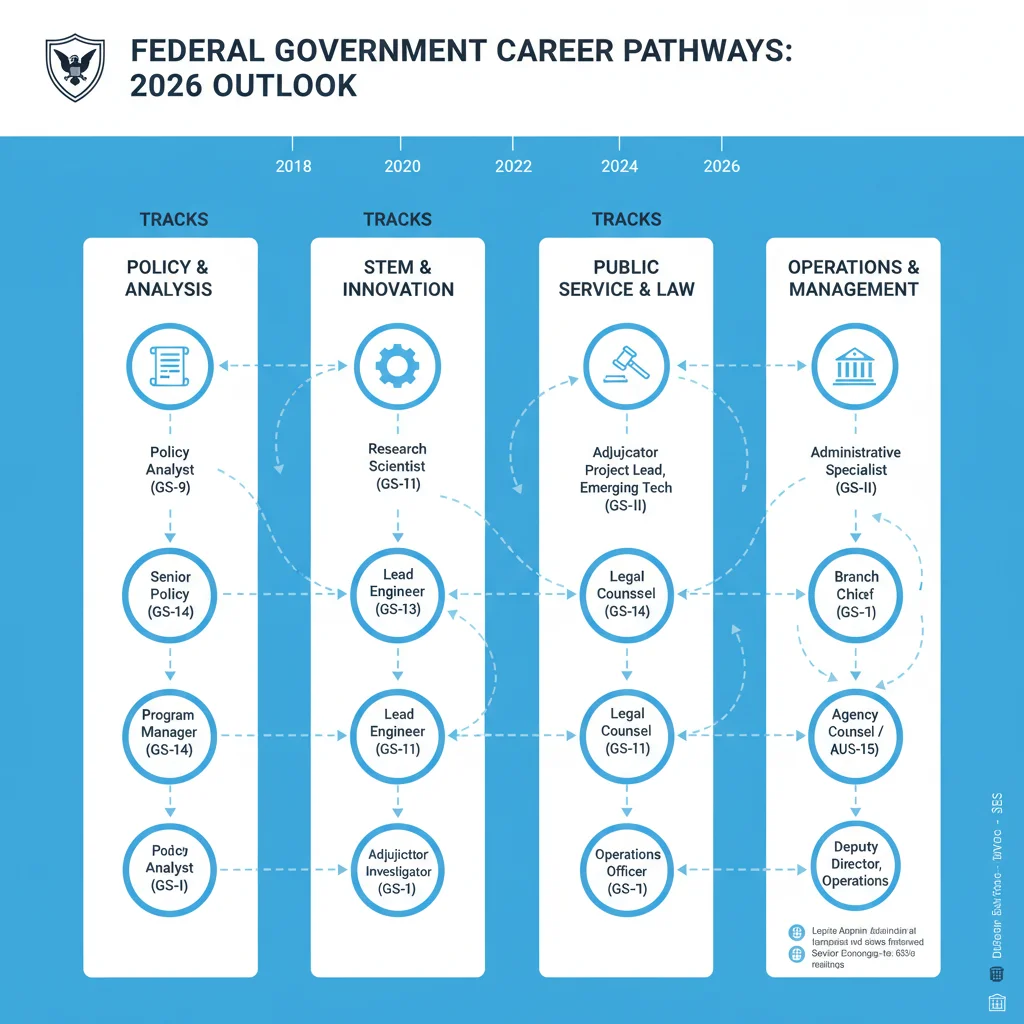
Once onboarded, federal employees enter a structured environment with clear guidelines for career progression. Performance reviews, training opportunities, and mentorship programs are common. The federal government encourages continuous learning and professional development, offering various programs to help employees enhance their skills and advance their careers. Many agencies provide tuition assistance for higher education, leadership development programs, and access to a vast network of internal training resources. This commitment to employee growth is another significant advantage of pursuing federal job programs.
The long-term career prospects within the federal government are substantial. Employees can move between agencies, explore different job series, and take on increasing levels of responsibility. This internal mobility, coupled with the robust benefits and a mission-driven environment, makes federal service a highly attractive long-term career choice for many. The opportunity to contribute to significant national initiatives and work alongside dedicated professionals is a deeply rewarding aspect of federal employment.
Conclusion: Seize Your Federal Opportunity by December 2026
The window of opportunity to join the U.S. federal workforce through various federal job programs is wide open, with application deadlines extending until December 2026. This extended timeframe is a clear call to action for anyone considering a stable, impactful, and rewarding career in public service. From the comprehensive benefits and job security to the diverse range of roles and opportunities for professional growth, federal employment offers a unique and compelling career path.
By understanding the application process through USAJOBS, tailoring your resume, leveraging special hiring authorities, and preparing diligently for interviews, you can significantly enhance your chances of success. Now is the time to explore the vast opportunities available across federal agencies, identify positions that align with your skills and passions, and take the strategic steps necessary to secure your future. Don’t let these time-sensitive federal job programs pass you by. Begin your journey today towards a fulfilling career that truly makes a difference for the nation.