U.S. Unemployment Benefits 2026: A Comprehensive Guide for Women Facing Job Loss

Anúncios
Understanding U.S. Unemployment Benefits: A 2026 Guide for Women Facing Job Loss
Losing a job can be a profoundly unsettling experience, bringing with it a whirlwind of emotions—from shock and fear to uncertainty about the future. For women, who often navigate unique challenges in the workforce, including pay gaps, career breaks for family, and industry-specific biases, understanding and accessing US unemployment benefits is not just a safety net; it’s a crucial stepping stone towards financial stability and career re-entry. As we look ahead to 2026, the landscape of unemployment benefits continues to evolve, reflecting changes in economic conditions, legislative updates, and technological advancements. This comprehensive guide aims to demystify the process for women across the United States, providing clear, actionable information on how to navigate the system, what to expect, and where to find additional support.
The journey through job loss and re-employment can be isolating, but it doesn’t have to be. Millions of Americans utilize unemployment benefits each year, and knowing your rights and the resources available can empower you to make informed decisions for yourself and your family. This guide is tailored to address the specific needs and concerns that women might encounter, offering insights into eligibility requirements, the application process, maintaining benefits, and leveraging supplementary resources. By equipping yourself with this knowledge, you can approach this challenging period with greater confidence and a clear path forward.
Anúncios
The Foundation of US Unemployment Benefits: What Are They?
At its core, US unemployment benefits are a joint federal-state program designed to provide temporary financial assistance to eligible workers who are unemployed through no fault of their own. These benefits are not a handout but rather an earned entitlement, funded by taxes paid by employers. The primary goal is to offer a financial bridge, allowing individuals to cover essential living expenses while actively seeking new employment.
Anúncios
A Brief History and Evolution
The concept of unemployment insurance in the U.S. dates back to the Social Security Act of 1935, enacted during the Great Depression. Since then, the program has undergone numerous transformations, adapting to changing economic conditions and societal needs. While the federal government sets broad guidelines, each state administers its own program, leading to variations in eligibility criteria, benefit amounts, and duration. This state-specific nature means that understanding the rules in your particular state is paramount.
Key Components of the Program
- Eligibility Requirements: These typically involve having earned a certain amount of wages during a “base period” and being unemployed through no fault of your own.
- Benefit Amounts: Calculated based on a percentage of your past earnings, usually capped at a maximum weekly amount set by the state.
- Benefit Duration: Standard benefits typically last up to 26 weeks, though this can be extended during periods of high unemployment through federal programs.
- Work Search Requirements: Beneficiaries are generally required to actively search for work and report their efforts to the state unemployment agency.
For women, understanding these components is especially important. For instance, career breaks for maternity leave or elder care might impact the calculation of the “base period” or raise questions about actively seeking work. While the system aims to be equitable, navigating its intricacies requires diligent attention to detail and an understanding of how your personal circumstances align with state regulations.
Eligibility for US Unemployment Benefits in 2026: What Women Need to Know
Determining your eligibility for US unemployment benefits is the critical first step. While general guidelines exist, state-specific rules can significantly impact who qualifies. Here’s a breakdown of the key factors:
1. Reason for Job Separation
The most fundamental requirement is that you must be unemployed through no fault of your own. This typically covers situations like:
- Layoffs: Your employer reduced staff due to economic conditions, restructuring, or other business decisions.
- Fired without Cause: You were terminated for reasons other than misconduct (e.g., poor fit, company changes).
- Voluntarily Leaving for Good Cause: In some states, you may be eligible if you left your job for a “good cause” attributable to the employer (e.g., unsafe working conditions, significant reduction in pay/hours, or specific instances of harassment). This is often a high bar to meet and requires strong documentation.
Situations that generally disqualify you include:
- Voluntarily Quitting Without Good Cause: Leaving your job simply because you didn’t like it.
- Fired for Misconduct: Termination due to serious violations of company policy, insubordination, or other documented misconduct.
For Women: It’s important to document everything if you believe your separation falls into a grey area. For example, if you left due to a hostile work environment or to care for a severely ill family member, gather any evidence that supports your claim. Some states have provisions for leaving work due to domestic violence or to follow a spouse in military relocation, which can be considered “good cause.”
2. Wages Earned During the Base Period
Each state defines a “base period”—a specific timeframe, usually the first four of the last five completed calendar quarters before you filed your claim—during which you must have earned a minimum amount of wages. This ensures that only individuals with a recent work history contribute to the system and can draw from it.
- Standard Base Period: The most common calculation.
- Alternate Base Period: Some states offer an alternate base period for those who don’t qualify under the standard one, often used if your earnings were lower in the earlier quarters of the standard base period.
For Women: If you’ve recently returned to the workforce after a career break, or have worked part-time, it’s crucial to understand your state’s base period rules. Ensure all your earnings, including commissions, bonuses, and severance pay (which might affect when benefits begin), are accurately reported. Women who have taken maternity leave or other family-related leaves should verify how their state’s unemployment agency treats these periods in wage calculations.
3. Ability and Availability for Work
To receive US unemployment benefits, you must be physically and mentally able to work and actively available for suitable employment. This means:
- Able to Work: You must not have a medical condition that prevents you from working.
- Available for Work: You must be ready and willing to accept suitable employment immediately.
- Actively Seeking Work: You are generally required to make a specified number of job contacts each week and report them.
For Women: This requirement can sometimes pose challenges. If you have childcare responsibilities, ensure you can still meet the availability criteria. Some states have provisions for part-time work availability, which might be relevant. If you are experiencing health issues related to your job loss (e.g., stress, anxiety), seeking medical attention and understanding how it impacts your ability to work is important. Transparency with your state agency is key.
4. Other Considerations
- Receipt of Other Benefits: Severance pay, pension payments, or workers’ compensation can impact your eligibility or the amount of benefits you receive.
- Self-Employment: Generally, self-employed individuals are not eligible for traditional unemployment benefits, though special programs have sometimes been enacted during economic crises.
- Student Status: Full-time students may have difficulty proving availability for full-time work, depending on state rules.
Understanding these eligibility criteria specific to your state is paramount. Many state unemployment agencies offer online eligibility calculators or detailed handbooks. It is always advisable to consult these resources or contact the agency directly for personalized advice.
The Application Process for US Unemployment Benefits in 2026
Once you’ve determined your potential eligibility, the next step is to apply for US unemployment benefits. While the process is largely standardized, attention to detail and prompt action are crucial.
1. When to Apply
Apply as soon as you become unemployed. Even if you’re unsure about your eligibility, filing promptly is important because benefits are generally not retroactive to the date of your job loss, but rather to the date you file your claim. Most states have a waiting period (often one week) before benefits can begin, so timely application ensures you don’t lose out on potential payments.
2. Information You’ll Need
Gathering the necessary documents and information beforehand will streamline your application. Expect to provide:
- Personal Information: Social Security number, driver’s license or state ID.
- Employment History: Names and addresses of all employers for the past 18-24 months, dates of employment, reason for separation, and gross earnings. Have pay stubs or W-2 forms handy.
- Bank Account Information: For direct deposit of benefits.
- Alien Registration Number (if not a U.S. citizen).
- Union Membership Information (if applicable).
- Form SF-8 for Federal Civilian Employees or DD-214 for Military Personnel (if applicable).
For Women: Ensure you have accurate records, especially if you’ve had multiple employers or periods of part-time work. If you’ve changed your name due to marriage or other reasons, ensure your documentation matches your current legal name.
3. How to Apply
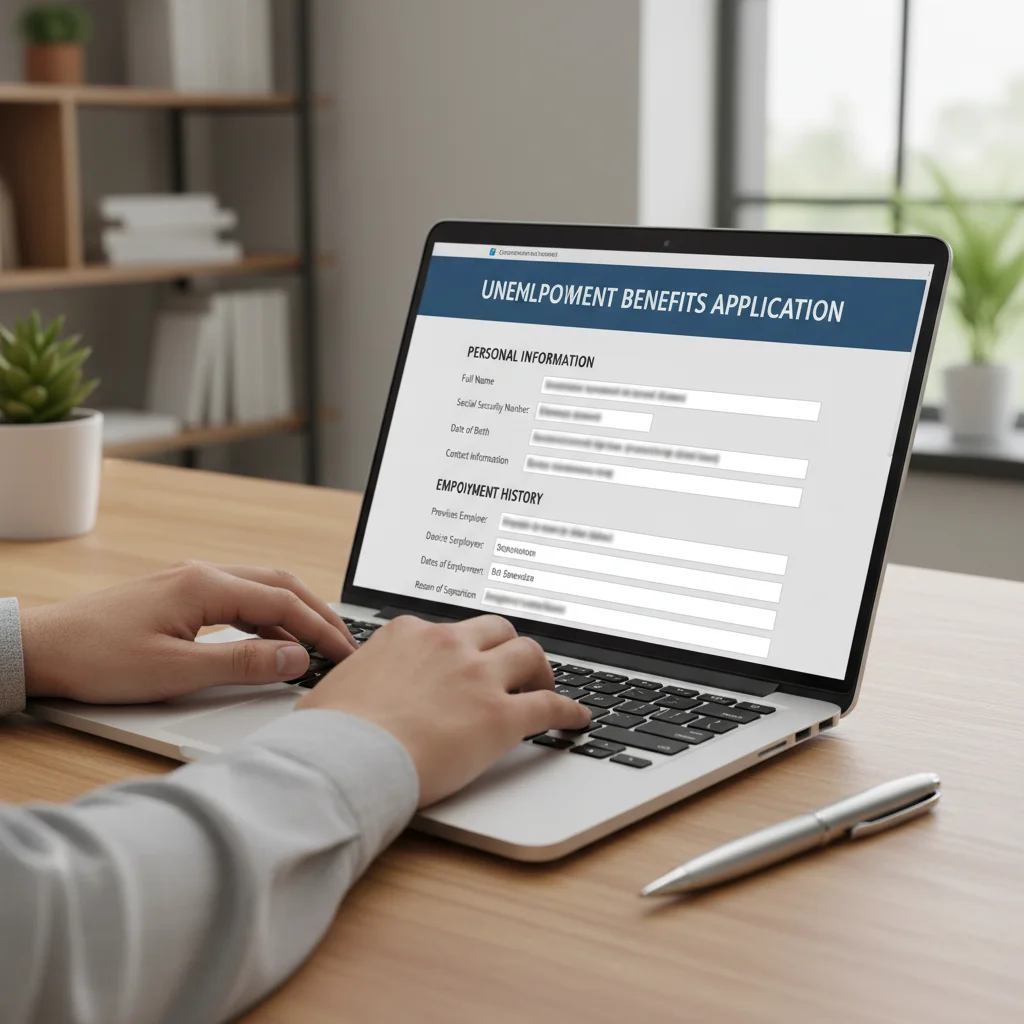
The vast majority of states now offer online application portals, which are often the quickest and most efficient way to apply. Some states also allow applications by phone or mail.
- Online: Visit your state’s Department of Labor or Employment Security website. Look for a section titled “Unemployment Benefits” or “File a Claim.”
- Phone: State agencies provide toll-free numbers for assistance and application submission.
- Mail: Less common, but forms can usually be downloaded and mailed in.
Important Note: Be truthful and accurate in your application. Providing false information can lead to severe penalties, including disqualification and repayment of benefits.
4. What Happens After You Apply?
- Initial Review: The agency will review your application for completeness and initial eligibility.
- Employer Contact: Your former employer(s) will be contacted to verify the information you provided about your separation and earnings. They have a right to contest your claim.
- Determination Interview: If there are discrepancies or questions about your eligibility (e.g., if your employer contests your claim), you may be scheduled for a phone interview with a claims examiner. This is your opportunity to present your side of the story and provide any supporting documentation.
- Decision: You will receive a written determination of your eligibility. If approved, it will state your weekly benefit amount and the maximum number of weeks you can receive benefits.
- Appeals Process: If your claim is denied, you have the right to appeal the decision. This is a crucial step if you believe an error was made or if new evidence has emerged.
For Women: If your employer contests your claim, particularly regarding the reason for separation, be prepared to articulate your case clearly and provide any corroborating evidence. This might include emails, texts, or witness statements. Don’t be intimidated by the appeals process; it’s designed to ensure fair consideration of your claim.
Maintaining Your US Unemployment Benefits: Ongoing Requirements
Receiving US unemployment benefits isn’t a one-time event; it comes with ongoing responsibilities that beneficiaries must meet to continue receiving payments.
1. Weekly or Bi-Weekly Certifications
You will need to certify your eligibility regularly, typically weekly or bi-weekly, through your state’s online portal or phone system. During certification, you’ll answer questions about:
- Your availability for work.
- Your efforts to search for work (including details of job contacts).
- Any earnings from part-time work or other sources during the certified period.
- Any refusal of suitable work offers.
- Your health status and ability to work.
For Women: Be meticulous in your record-keeping. Keep a detailed log of all your job search activities, including dates, company names, contact persons, positions applied for, and the outcome. This evidence is vital if your work search efforts are ever questioned. If you pick up any freelance or part-time work, accurately report these earnings; failure to do so can lead to overpayment penalties.
2. Work Search Requirements
Most states require you to actively search for work while receiving benefits. The specific number of job contacts and the types of activities considered valid can vary, but generally include:
- Applying for jobs.
- Attending job fairs.
- Networking events.
- Creating or updating resumes on job boards.
- Participating in state-provided re-employment services.
For Women: Tailor your job search to suitable employment that matches your skills, experience, and previous earning level. However, as weeks progress, you may be expected to broaden your search to include positions that pay less or are outside your immediate field. Be proactive in utilizing career services offered by your state, as these often count towards work search requirements and provide valuable support.
3. Reporting Changes in Circumstances
It is your responsibility to promptly report any changes that might affect your eligibility, such as:
- Starting a new job (even part-time).
- Becoming unable to work due to illness or injury.
- Leaving the state for an extended period.
- Receiving other types of income or benefits.
Failure to report these changes can result in overpayments, which you will be legally obligated to repay, often with penalties.
4. Understanding Overpayments
An overpayment occurs when you receive US unemployment benefits you were not entitled to. This can happen due to an agency error, your error, or fraud. If an overpayment occurs, the state agency will notify you and typically seek repayment. In some cases, future benefits can be withheld, or legal action may be taken. Always respond promptly to any communication from the unemployment agency regarding potential overpayments.
Maximizing Your Benefits and Resources Beyond the Check
While the weekly benefit check is a primary concern, a holistic approach to navigating job loss involves leveraging all available resources. For women, this often includes seeking out programs and support networks that address specific career development and financial planning needs.
1. State-Provided Re-employment Services
Most state workforce agencies offer a wealth of free resources designed to help you get back to work faster. These can include:
- Career Counseling: Guidance on career changes, skill assessments, and job market trends.
- Resume and Interview Workshops: Polishing your application materials and interview skills.
- Job Fairs and Networking Events: Opportunities to connect with potential employers.
- Training and Education Programs: In some cases, you may be eligible for funded training to acquire new skills, sometimes even while receiving unemployment benefits (check state-specific rules carefully, as this can affect work search requirements).
For Women: Take full advantage of these services. They are often underutilized but can significantly boost your job search effectiveness. Look for programs specifically designed to help women re-enter the workforce, upskill, or transition into new industries. Many states also offer specialized services for veterans, older workers, or those with disabilities, which might be relevant.
2. Financial Planning During Unemployment
Unemployment benefits are temporary, making strategic financial planning essential.
- Budgeting: Create a realistic budget, prioritizing essential expenses and cutting back on non-essentials.
- Emergency Fund: If you have an emergency fund, now is the time to utilize it responsibly.
- Debt Management: Contact creditors if you anticipate difficulty making payments. Many are willing to work with you on temporary payment plans.
- Healthcare: Explore options like COBRA (if applicable), Affordable Care Act (ACA) marketplace plans, or Medicaid. Losing your job is a qualifying life event for special enrollment periods on the ACA marketplace.
- Tax Implications: Remember that US unemployment benefits are taxable income. You can choose to have federal (and sometimes state) taxes withheld from your weekly payments, or plan to pay estimated taxes quarterly.
For Women: Consider consulting with a financial advisor who specializes in navigating periods of income instability. They can help you create a sustainable budget, manage debt, and plan for future financial goals.

3. Community and Support Networks
Don’t underestimate the power of community during job loss. Connect with:
- Professional Organizations: Many offer networking events, mentorship, and job boards.
- Women’s Support Groups: Online and in-person groups can provide emotional support and practical advice.
- Local Community Centers: Often have free or low-cost resources, including computer access, resume assistance, and workshops.
For Women: Seek out groups that empower women in their careers. Sharing experiences and strategies with others facing similar challenges can be incredibly beneficial for morale and practical job search tips.
Common Pitfalls and How to Avoid Them
Navigating the US unemployment benefits system can be complex. Being aware of common mistakes can help you avoid delays or denials.
1. Not Applying Promptly
As mentioned, delays in applying can mean lost benefits. File your claim as soon as your employment ends.
2. Providing Inaccurate or Incomplete Information
Double-check all facts and figures before submitting your application and weekly certifications. Any discrepancies can trigger delays or investigations.
3. Failing to Meet Work Search Requirements
This is one of the most frequent reasons for disqualification. Document every job search activity diligently.
4. Not Reporting Earnings Accurately
Even small amounts of part-time income must be reported. The agency will likely find out through cross-referencing with employer records, leading to penalties.
5. Ignoring Agency Communications
Always respond promptly to letters, emails, or phone calls from your state unemployment agency. Missing deadlines for interviews or appeals can lead to automatic denials.
6. Not Understanding Your Rights to Appeal
If your claim is denied, don’t give up immediately. Understand the appeals process and seek assistance if needed from legal aid services or worker advocacy groups.
Looking Ahead to 2026: Potential Changes and Considerations
The landscape of US unemployment benefits is not static. While the core principles remain, legislative changes, economic shifts, and technological advancements can influence the program. As we approach 2026, here are some areas to keep in mind:
1. Legislative Updates
Federal and state governments regularly review and update unemployment laws. Stay informed about any proposed changes that could affect eligibility, benefit amounts, or duration. Websites of the Department of Labor and your state’s employment agency are excellent sources for these updates.
2. Technological Enhancements
States continue to invest in modernizing their unemployment systems. This might mean more streamlined online applications, improved digital communication, and potentially AI-driven assistance for claimants. Familiarize yourself with your state’s online portal and any new digital tools.
3. Economic Conditions
The overall health of the economy can influence the availability of extended benefits. During periods of high unemployment, federal programs may be triggered to provide additional weeks of assistance. Conversely, in strong economic periods, these extensions are less likely.
4. Focus on Workforce Development
Expect a continued emphasis on connecting beneficiaries with re-employment services and training programs. The goal is not just to provide a safety net but also to facilitate rapid re-entry into the workforce, particularly in high-demand sectors.
5. Addressing Equity
There’s ongoing discussion about how unemployment benefit systems can better serve diverse populations, including women, minorities, and gig workers. While changes might be incremental, it’s worth noting if any new provisions emerge that specifically address historical disparities.
Conclusion: Empowering Your Journey Forward
Losing a job is undoubtedly a challenging chapter, but it also presents an opportunity for reflection, growth, and strategic career planning. For women, understanding and effectively utilizing US unemployment benefits in 2026 is a critical component of navigating this transition successfully. By being proactive, informed, and diligent in your application and ongoing responsibilities, you can secure the temporary financial support you need while focusing on your next professional step.
Remember that you are not alone in this journey. The system is designed to support you, and numerous resources are available to help. Arm yourself with knowledge, utilize the support systems around you, and approach your job search with resilience and determination. This period of unemployment can be a catalyst for new opportunities and a stronger, more fulfilling career path. Stay informed, stay empowered, and take confident strides towards your future.