Automation Trends 2026: Impact on U.S. Women’s Job Security

Anúncios
The Future of Work: How 2026 Automation Trends Impact U.S. Women’s Job Security
Anúncios
The landscape of work is undergoing a profound transformation, driven by rapid advancements in automation, artificial intelligence, and robotics. As we look ahead to 2026, these technological shifts are poised to redefine industries, job roles, and the very nature of employment. While automation promises increased efficiency and productivity, it also raises critical questions about job displacement and the future of job security, particularly for specific demographics. Among these, the impact on U.S. women’s job security is a topic that warrants significant attention and proactive strategizing.
For decades, women have made remarkable strides in the workforce, breaking barriers and achieving greater representation across various sectors. However, historical employment patterns and current industry distributions mean that women are often concentrated in roles and sectors that are particularly susceptible to automation. Understanding these vulnerabilities, alongside identifying emerging opportunities, is crucial for ensuring an equitable and prosperous future for women in the American workforce. This article delves deep into the expected 2026 automation trends, examining their potential effects on Women Job Security Automation in the U.S., and outlining strategies for resilience, growth, and empowerment.
Anúncios
Understanding the Automation Landscape in 2026
By 2026, automation will no longer be a nascent concept but an integrated component of business operations across nearly all industries. We anticipate a maturation of technologies such as Robotic Process Automation (RPA), advanced AI algorithms, machine learning, and sophisticated robotics. These technologies will move beyond simply automating repetitive tasks to performing more complex, cognitive functions, impacting a broader spectrum of jobs than ever before.
Key Automation Trends to Watch:
- Hyperautomation: The combination of multiple machine learning, packaged software, and automation tools to deliver end-to-end process automation.
- AI-Powered Decision Making: AI systems will increasingly assist, and in some cases, lead, decision-making processes in areas like finance, customer service, and even human resources.
- Advanced Robotics: Collaborative robots (cobots) will work alongside humans in manufacturing, logistics, and healthcare, taking on physically demanding or precise tasks.
- Natural Language Processing (NLP) and Generation (NLG): These technologies will further streamline communication-intensive roles, from content creation to customer support, leading to increased efficiency but also potential role redefinition.
- Predictive Analytics and Big Data: The ability to analyze vast datasets will become even more sophisticated, impacting strategic planning, marketing, and operational optimization.
These trends are not merely theoretical; they are already in motion, and their acceleration over the next few years will reshape job markets. The critical question for Women Job Security Automation is how these changes will intersect with existing gendered patterns of employment and skill development.
Sectors and Roles Most Vulnerable for Women’s Job Security
Historically, women have been concentrated in certain sectors and roles that, by their nature, involve a higher degree of routine, administrative, or customer-facing tasks. These are precisely the areas where automation is most likely to have a significant impact. Understanding these vulnerabilities is the first step toward proactive adaptation.
Administrative and Office Support
Roles such as administrative assistants, data entry clerks, bookkeepers, and receptionists have long been staples of female employment. Automation, particularly RPA and AI-powered software, excels at automating data processing, scheduling, and routine communication. While the need for human oversight and complex problem-solving will remain, a significant portion of these tasks can be streamlined or taken over by machines, potentially reducing the demand for human labor in these areas. This directly impacts Women Job Security Automation, as these roles are disproportionately held by women.
Retail and Customer Service
The retail sector, another significant employer of women, is already seeing the impact of automation through self-checkout kiosks, automated inventory management, and AI-powered chatbots for customer inquiries. While human interaction will always be valued, particularly for complex sales or empathetic support, the routine aspects of customer service and sales are increasingly being automated. This shift necessitates a re-evaluation of skills for women in these roles, moving towards more specialized, problem-solving, and relationship-building functions.
Manufacturing and Production
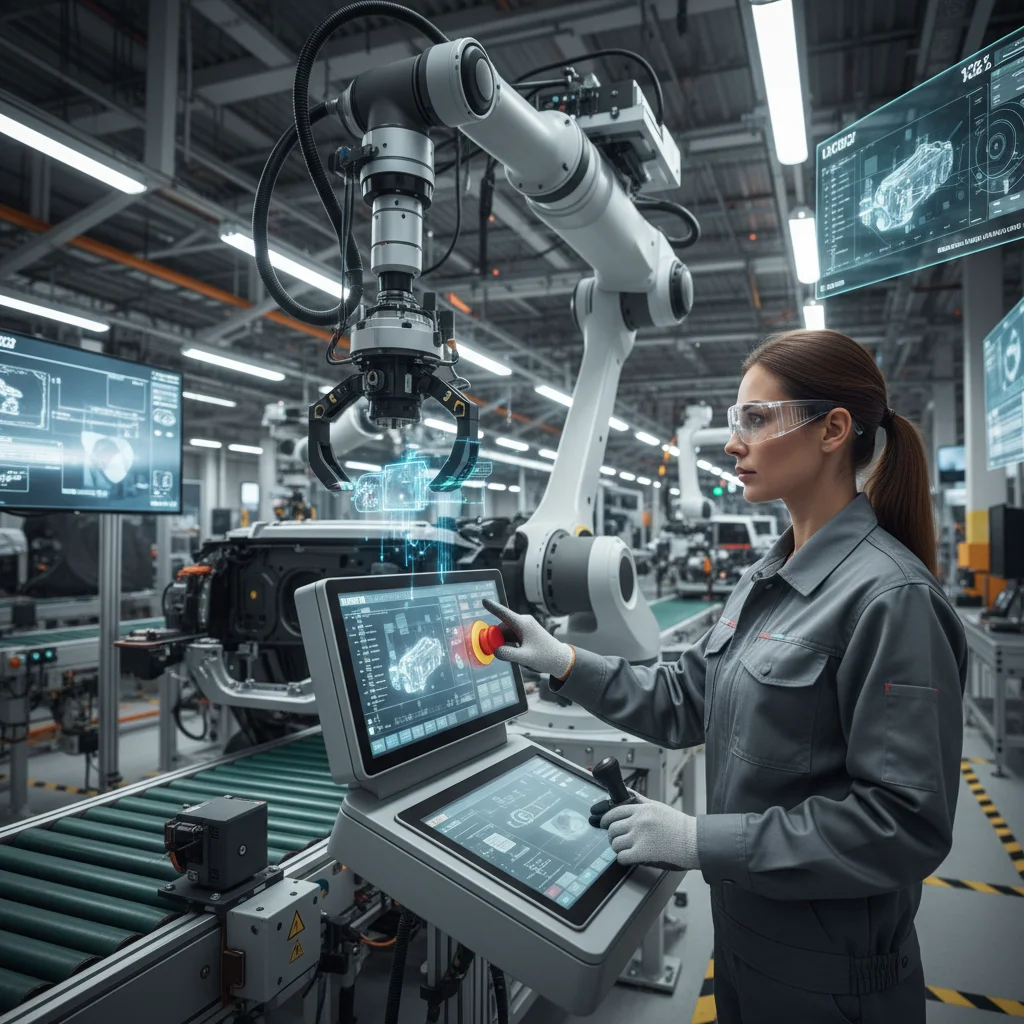
While historically male-dominated, women have increasingly found roles in light manufacturing, assembly, and quality control. Advanced robotics and AI-driven quality assurance systems are transforming these environments. While some jobs may be displaced, new roles requiring supervision, maintenance, and programming of these automated systems will emerge. Women in these sectors will need opportunities to upskill into these new technical roles to maintain their Women Job Security Automation.
Healthcare Support
The healthcare sector is a major employer of women, particularly in support roles such as medical assistants, phlebotomists, and medical transcriptionists. While direct patient care is less susceptible to full automation, administrative tasks, diagnostics support, and even some routine patient monitoring can be enhanced or partially automated by AI and robotics. This could free up healthcare professionals for more complex patient interactions but also redefine the scope of support roles.
Emerging Opportunities and Growth Areas for Women
It’s not all about displacement. Automation also creates new job categories and amplifies the demand for uniquely human skills. For women, understanding and leveraging these emerging opportunities is key to enhancing their Women Job Security Automation. The future workforce will place a premium on skills that machines cannot easily replicate.
Technology and STEM Fields
The development, deployment, and maintenance of automation technologies themselves require human expertise. Roles in AI development, data science, robotics engineering, cybersecurity, and cloud computing are experiencing explosive growth. Encouraging and supporting women to pursue STEM education and careers is paramount. Initiatives to bridge the gender gap in tech will be crucial for women to seize these high-growth opportunities.
Human-Centric and ‘Soft’ Skills
As machines take over routine tasks, the value of uniquely human attributes will soar. Skills such as critical thinking, creativity, emotional intelligence, complex problem-solving, collaboration, and ethical reasoning will be indispensable. Women often excel in many of these areas, which are vital for roles in leadership, strategic planning, innovation, and customer relations that involve nuanced human interaction. These skills are often transferable across industries, bolstering Women Job Security Automation.
Care Economy and Education
Sectors like healthcare (especially direct patient care, nursing, therapy), education, and social work are inherently human-centric and less susceptible to full automation. The demand for these services is projected to grow, driven by demographic shifts. Women constitute a large percentage of the workforce in these areas, and while technology will augment these roles, the core human element remains irreplaceable. Investing in professional development within these sectors can solidify Women Job Security Automation.
Green Economy Jobs
The transition to a sustainable economy will create millions of new jobs in renewable energy, sustainable manufacturing, environmental consulting, and green technology. Many of these roles will require new skills and offer diverse opportunities for women to contribute to a critical global challenge while securing their economic future.
Strategies for Enhancing Women’s Job Security Amidst Automation
To navigate the automated future successfully, a multi-faceted approach involving individuals, educators, businesses, and policymakers is essential. Proactive measures can transform potential threats into pathways for advancement for Women Job Security Automation.
1. Prioritizing Upskilling and Reskilling
The most critical strategy for individual women is continuous learning. This means:
- Digital Literacy: Ensuring proficiency with digital tools and platforms, including basic coding and data interpretation.
- STEM Education: Encouraging girls and women to pursue STEM subjects from an early age and providing accessible pathways into tech careers.
- Transferable Skills: Focusing on developing and highlighting ‘soft skills’ like adaptability, communication, and critical thinking that are highly valued in automated environments.
- Industry-Specific Certifications: Acquiring certifications in emerging technologies relevant to their field, such as AI ethics, data analytics, or cloud management.
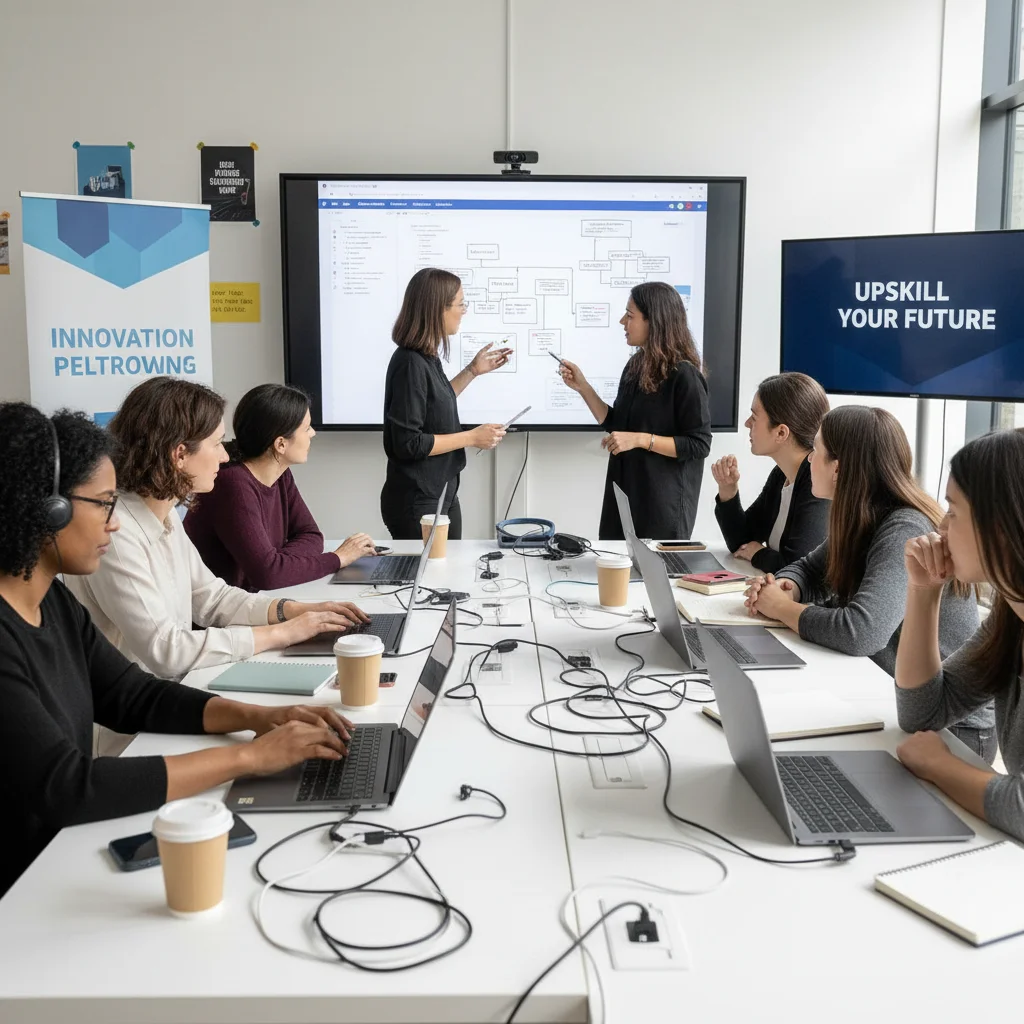
Employers have a vital role to play by offering comprehensive training programs that allow their female employees to adapt to new technologies rather than being displaced by them. Government initiatives supporting lifelong learning and vocational training can also significantly bolster Women Job Security Automation.
2. Advocating for Inclusive Automation Design
Bias in AI and automation systems is a growing concern. If AI is trained on biased data, it can perpetuate and even amplify existing inequalities, including gender bias in hiring or task allocation. Women must be at the forefront of designing, developing, and auditing these systems to ensure they are fair, ethical, and inclusive. Encouraging women’s participation in AI ethics committees and technology development teams is crucial.
3. Fostering Entrepreneurship and Self-Employment
Automation can lower barriers to entry for entrepreneurship by providing tools that automate administrative tasks, marketing, and even production. This presents an opportunity for women to create their own businesses, leveraging their skills and creativity. Support systems, mentorship programs, and access to funding for female entrepreneurs will be vital in this context, directly impacting Women Job Security Automation by creating new avenues for economic independence.
4. Strengthening Social Safety Nets and Policy Support
As the workforce evolves, policymakers must consider the implications for job security and economic stability. This includes exploring:
- Flexible Work Arrangements: Automation can enable greater flexibility, which can be particularly beneficial for women balancing work and family responsibilities.
- Universal Basic Income (UBI) or Transitional Support: While controversial, these concepts warrant discussion as potential mechanisms to support individuals whose jobs are significantly impacted by automation during periods of transition.
- Gender-Responsive Labor Policies: Policies that specifically address the unique challenges and opportunities for women in an automated economy, ensuring fair wages, equal opportunities, and protection against discrimination.
5. Building Strong Networks and Mentorship
Connecting with other professional women, mentors, and industry leaders can provide invaluable guidance, support, and access to opportunities. Professional networks, both online and offline, can help women stay informed about emerging trends, identify skill gaps, and find new career paths. This collective strength is a powerful tool for enhancing Women Job Security Automation.
Case Studies and Examples: Women Thriving in Automation
To illustrate the potential for positive impact, let’s consider a few hypothetical scenarios where women successfully navigate the automated landscape:
Scenario 1: From Administrative Assistant to RPA Specialist
Sarah, an executive assistant with years of experience in managing complex schedules and data, sees her role becoming increasingly automated. Instead of fearing displacement, she enrolls in an online course for Robotic Process Automation (RPA) development. Her deep understanding of office workflows makes her invaluable in identifying processes suitable for automation and then building the bots to execute them. She transitions into an RPA Specialist role, earning a higher salary and becoming a key player in her company’s digital transformation, significantly boosting her Women Job Security Automation.
Scenario 2: Retail Associate to E-commerce Experience Designer
Maria, a seasoned retail associate, observes the rise of online shopping and in-store automation. She realizes that her strength lies not just in selling, but in understanding customer needs and creating positive shopping experiences. She takes courses in UX/UI design and e-commerce analytics. Leveraging her empathy and customer insight, she becomes an E-commerce Experience Designer, focusing on optimizing online storefronts and integrating AI-powered personalization tools to enhance customer journeys, thus ensuring her Women Job Security Automation.
Scenario 3: Manufacturing Worker to Cobot Programmer
Elena, who worked on an assembly line, recognizes that collaborative robots (cobots) are becoming prevalent. Instead of being intimidated, she expresses interest in learning how to program and maintain them. Her employer invests in her training, and she becomes a Cobot Programmer, working alongside engineers to optimize production lines and ensuring the smooth operation of automated systems. Her hands-on experience and new technical skills make her indispensable, securing her Women Job Security Automation in a rapidly evolving sector.
Challenges and Considerations
While opportunities abound, it’s crucial to acknowledge the challenges that need to be addressed to ensure equitable outcomes for Women Job Security Automation:
- Access to Education and Training: Disparities in access to quality education, particularly in STEM fields and digital skills, can exacerbate existing inequalities.
- Gender Pay Gap: If new, high-skill jobs are disproportionately filled by men, the existing gender pay gap could widen.
- Caregiving Responsibilities: Women often bear a larger share of family and caregiving responsibilities, which can limit their time and flexibility for upskilling and career transitions.
- Bias in AI and Recruitment: Algorithmic bias can negatively impact women in hiring, promotion, and even performance evaluation if not carefully monitored and mitigated.
- Lack of Representation: A lack of female representation in leadership roles within tech and automation can lead to solutions that don’t fully consider women’s needs or create inclusive work environments.
Addressing these challenges requires concerted effort from all stakeholders. It’s not just about adapting to automation, but about shaping it to be a force for good, promoting inclusivity and equity.
The Role of Government and Industry
Governments have a critical role in creating an environment that supports women through the automation transition. This includes investing in public education, promoting STEM literacy, funding reskilling initiatives, and implementing policies that protect workers and encourage fair labor practices. Industry leaders must prioritize diversity and inclusion in their automation strategies, ensuring that training and new opportunities are accessible to women. Companies that invest in their female workforce’s adaptation will not only enhance Women Job Security Automation but also gain a competitive advantage through a skilled and adaptable talent pool.
Conclusion: A Proactive Path to Resilience
The year 2026 will mark a significant milestone in the ongoing automation revolution. For U.S. women, this period presents both formidable challenges and unprecedented opportunities. The key to maintaining and enhancing Women Job Security Automation lies in a proactive, adaptive, and strategic approach. By prioritizing continuous learning, embracing emerging technologies, advocating for inclusive design, and fostering supportive ecosystems, women can not only navigate the automated future but also play a pivotal role in shaping it.
The future of work is not predetermined; it is being built today. By understanding the trends, addressing the vulnerabilities, and seizing the opportunities, women can ensure their place at the forefront of this new era, contributing their unique skills and perspectives to a more automated, yet profoundly human-centric, economy. The time for action is now, to empower women to thrive in the automated world of 2026 and beyond.