Small Business Lending: Navigating 2026 Loan Programs & Recent Updates

Anúncios
The Latest in Small Business Lending: Understanding 2026 Loan Programs (RECENT UPDATES)
In the dynamic world of entrepreneurship, securing adequate funding is often the linchpin of success. For small businesses, navigating the labyrinth of loan programs can be challenging, especially as the financial landscape continually evolves. As we approach 2026, it’s more crucial than ever for business owners to understand the latest trends, programs, and updates in small business loans. This comprehensive guide will delve into the anticipated changes, new opportunities, and strategic approaches to help your business thrive.
Anúncios
The Evolving Landscape of Small Business Lending
The past few years have brought significant shifts in how small businesses access capital. From the rapid deployment of pandemic relief programs to the increasing emphasis on digital lending, the ecosystem is constantly in flux. Looking ahead to 2026, several key trends are set to define the future of small business loans:
- Increased Digitization and Automation: Lenders are increasingly leveraging AI and machine learning to streamline application processes, assess creditworthiness, and disburse funds faster. This means quicker decisions and more efficient access to capital for eligible businesses.
- Focus on Niche and Specialized Lending: Beyond traditional banks, a growing number of fintech companies and alternative lenders are emerging, offering specialized loan products tailored to specific industries or business models (e.g., e-commerce, tech startups, green businesses).
- Emphasis on ESG (Environmental, Social, and Governance) Factors: Lenders are beginning to integrate ESG considerations into their lending criteria, favoring businesses with sustainable practices and positive social impact. This could open new funding avenues for responsible enterprises.
- Hybrid Funding Models: Expect to see more blended financing solutions, combining traditional loans with equity investments, crowdfunding, or revenue-based financing to meet diverse business needs.
Key Small Business Loan Programs for 2026
Understanding the types of small business loans available is the first step toward securing funding. Here’s a breakdown of the most prominent programs and what to expect in 2026:
Anúncios
1. SBA Loans (Small Business Administration)
The U.S. Small Business Administration (SBA) remains a cornerstone of small business funding. While the SBA itself doesn’t directly lend money, it guarantees loans made by approved lenders, reducing risk for banks and making it easier for businesses to qualify. Expect the core SBA programs to continue with potential refinements:
- SBA 7(a) Loan Program: This is the most common and flexible SBA loan, suitable for a wide range of general business purposes, including working capital, equipment purchases, real estate, and business acquisition. In 2026, look for continued efforts to streamline the application process and potentially expand access to underserved communities. Interest rates are typically competitive, tied to the prime rate.
- SBA 504 Loan Program: Designed for major fixed-asset purchases like real estate or machinery, this program offers long-term, fixed-rate financing. It’s ideal for businesses looking to expand or modernize their operations. Expect continued stability in this program, with a focus on job creation and community development.
- SBA Microloan Program: Providing smaller loans (up to $50,000) through non-profit community-based lenders, this program supports startups and businesses in underserved markets. Anticipate continued support for microloans, potentially with increased funding to foster local economic growth.
- SBA Disaster Loans: While primarily reactive to declared disasters, the SBA’s disaster loan programs (Physical Damage Loans and Economic Injury Disaster Loans – EIDL) are crucial for business recovery. It’s wise to stay informed about eligibility and application procedures, as these can be activated rapidly in response to unforeseen events.
2. Traditional Bank Loans
Despite the rise of alternative lenders, traditional banks remain a vital source of small business loans. These include:
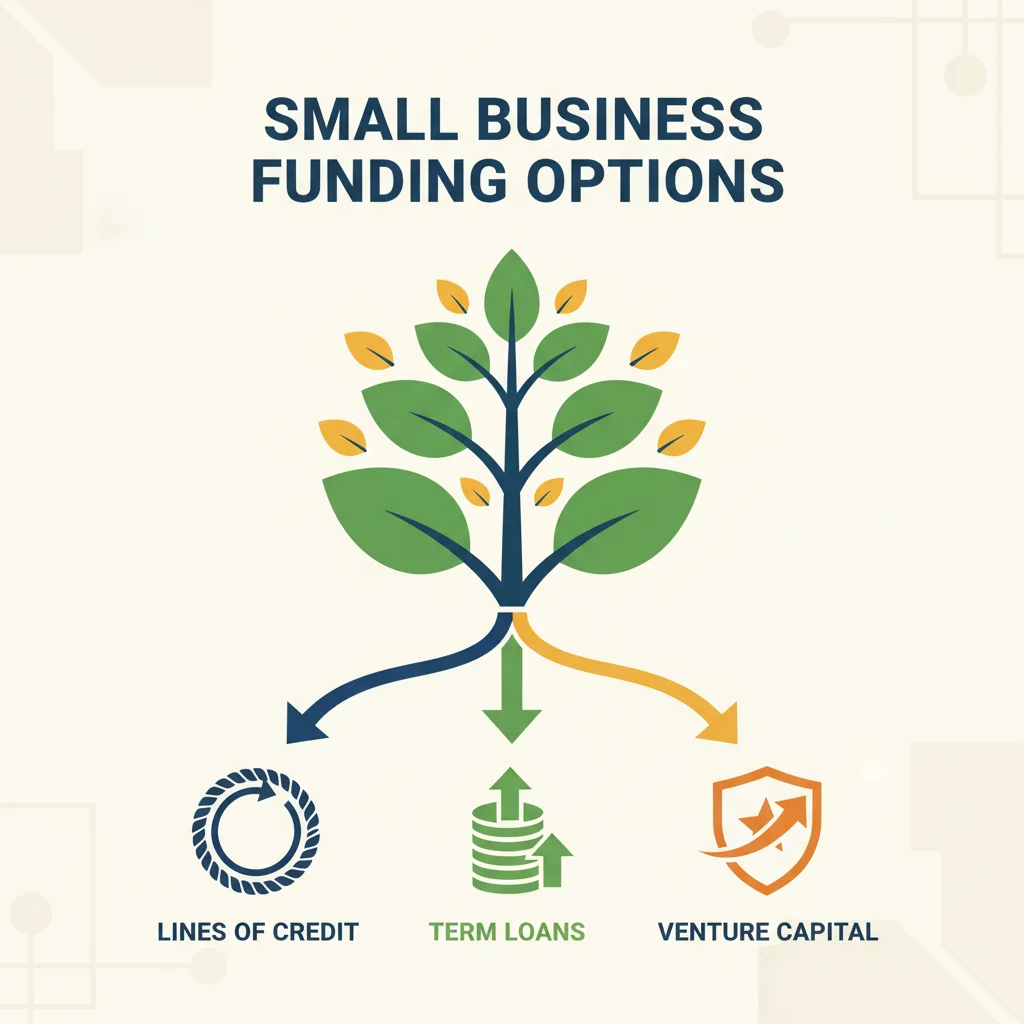
- Term Loans: A lump sum of cash repaid over a set period with fixed or variable interest rates. Banks typically offer competitive rates for established businesses with strong credit.
- Lines of Credit: Flexible funding that allows businesses to draw funds as needed, up to a certain limit, and repay them to free up credit. Ideal for managing cash flow fluctuations.
- Commercial Mortgages: For purchasing or refinancing owner-occupied commercial real estate.
In 2026, banks are likely to continue their cautious approach, prioritizing businesses with solid financial histories, strong credit scores, and clear business plans. However, expect some banks to enhance their digital platforms to compete with fintech lenders, offering faster application and approval processes for certain loan types.
3. Alternative Lenders and Fintech Platforms
This sector has revolutionized access to small business loans, especially for businesses that might not qualify for traditional bank financing. Key offerings include:
- Online Term Loans: Similar to bank term loans but with often faster application and funding times. Rates can be higher, reflecting the increased risk tolerance.
- Merchant Cash Advances (MCAs): A lump sum paid to a business in exchange for a percentage of future credit card sales. While quick, MCAs can be very expensive and should be approached with caution.
- Invoice Factoring/Financing: Selling or borrowing against your outstanding invoices to get immediate cash. Excellent for businesses with long payment cycles.
- Equipment Financing: Loans specifically for purchasing machinery or equipment, often using the equipment itself as collateral.
By 2026, alternative lenders are expected to further refine their underwriting models, potentially leading to more competitive rates for a broader range of businesses. The focus will be on speed, convenience, and tailored financial products.

Recent Updates and What to Expect in 2026
Staying abreast of recent policy changes and economic forecasts is vital. Here are some anticipated updates and considerations:
Policy and Regulatory Changes
- SBA Program Enhancements: The SBA consistently reviews and updates its programs. In 2026, look for potential adjustments to loan limits, guarantee percentages, and simplified documentation requirements, particularly for smaller loans. There may also be increased emphasis on supporting specific demographics or industries through targeted initiatives.
- Interest Rate Environment: Global economic conditions and central bank policies will continue to influence interest rates. While predictions vary, businesses should prepare for a potentially fluctuating rate environment. Fixed-rate options might become more appealing for long-term planning, while variable rates could offer initial savings.
- Increased Scrutiny on Predatory Lending: Regulators are likely to continue their focus on protecting small businesses from predatory lending practices. This could lead to stricter oversight of certain alternative lending products, ensuring more transparent terms and conditions.
Technological Advancements in Lending
- AI-Driven Underwriting: Artificial intelligence will play an even larger role in assessing credit risk. This means lenders will analyze a wider array of data points beyond traditional credit scores, including cash flow, social media presence, and industry-specific metrics. Businesses with strong digital footprints and healthy operational data may find it easier to secure funding.
- Blockchain and Distributed Ledger Technology (DLT): While still nascent in mainstream lending, DLT could eventually enhance security, transparency, and speed in loan processing, particularly for cross-border transactions or complex syndicated loans.
- Personalized Loan Products: With advanced data analytics, lenders will be able to offer increasingly personalized loan products and repayment schedules tailored to a business’s unique cash flow patterns and industry cycles.
Preparing Your Business for 2026 Small Business Loans
To maximize your chances of securing the best small business loans in 2026, proactive preparation is key. Here’s a checklist:
1. Strengthen Your Financial Health
- Maintain Excellent Credit: Both personal and business credit scores are critical. Review your credit reports regularly for errors and work to improve any low scores.
- Consistent Revenue and Cash Flow: Lenders prioritize businesses with stable and predictable income. Implement robust financial management practices to ensure consistent cash flow.
- Reduce Debt: A high debt-to-income ratio can signal risk to lenders. Strategically pay down existing debts before seeking new financing.
- Solid Business Plan: A well-articulated business plan outlining your goals, market analysis, financial projections, and how the loan will be used is indispensable.
2. Organize Your Documentation
Having all necessary documents ready can significantly speed up the application process. Expect to provide:
- Business plan
- Financial statements (profit & loss, balance sheets, cash flow statements for the past 2-3 years)
- Tax returns (business and personal)
- Bank statements
- Legal documents (business registration, licenses, permits)
- Personal and business credit reports
- Collateral information (if applicable)
3. Understand Your Funding Needs
Clearly define why you need the loan and how much you require. Avoid over-borrowing or under-borrowing. Create a detailed budget and projection for how the funds will be utilized and repaid. This demonstrates financial acumen to potential lenders.
4. Research and Compare Lenders
Don’t settle for the first offer. Research various lenders—banks, credit unions, SBA-approved lenders, and alternative finance providers. Compare interest rates, terms, fees, and repayment schedules. Read reviews and seek recommendations.
5. Build Relationships
Establishing a relationship with a local bank or a financial advisor can provide invaluable guidance and open doors to suitable loan products. Networking within your industry can also reveal insights into specialized funding options.
Common Pitfalls to Avoid When Seeking Small Business Loans
While the opportunities for small business loans are abundant, pitfalls can derail your funding efforts. Be mindful of these common mistakes:
- Poor Credit History: Neglecting personal and business credit scores can severely limit your options and lead to higher interest rates.
- Incomplete Documentation: Missing or disorganized paperwork is a common cause of delays and rejections.
- Unrealistic Financial Projections: Overly optimistic or poorly supported financial forecasts can undermine your credibility with lenders.
- Not Understanding Loan Terms: Always read the fine print. Be aware of all fees, interest rates, repayment schedules, and any prepayment penalties.
- Relying on a Single Funding Source: Diversifying your potential funding sources increases your chances of securing capital and provides backup options.
- Ignoring Alternative Options: While traditional loans are great, don’t overlook fintech lenders, microloans, or grants that might be a better fit for your specific situation.
The Role of Technology in Accessing 2026 Loans
Technology is not just changing how lenders operate; it’s also empowering small businesses. Online platforms and financial management software can:
- Simplify Application: Many lenders now offer fully online application processes, often with integrations that pull financial data directly from accounting software.
- Improve Financial Tracking: Robust accounting software helps businesses maintain accurate records, generate financial statements, and monitor cash flow, all of which are crucial for loan applications.
- Automate Compliance: Technology can help ensure businesses stay compliant with regulatory requirements, reducing audit risks and demonstrating good governance to lenders.
- Identify Funding Opportunities: Some platforms use AI to match businesses with suitable loan products based on their financial profile and needs.
Case Studies: Small Businesses Thriving with Strategic Lending
To illustrate the power of well-chosen small business loans, let’s consider a few hypothetical scenarios:
Case Study 1: The Expanding Bakery
"Sweet Success Bakery", a local favorite, wanted to open a second location. They had consistent revenue but needed a substantial amount for leasehold improvements, new equipment, and initial inventory. After careful planning, they secured an SBA 7(a) loan. The lower interest rates and longer repayment terms allowed them to manage their cash flow effectively during the expansion phase. Within 18 months, the new location was profitable, doubling their overall business.
Case Study 2: The Tech Startup’s Working Capital
"InnovateNow Solutions", a budding tech startup, had secured early-stage venture capital but experienced a temporary cash flow gap between funding rounds. They needed quick access to working capital to cover payroll and operational expenses until their next investment materialized. A flexible line of credit from an online alternative lender provided the necessary liquidity without diluting equity, allowing them to continue development uninterrupted.
Case Study 3: The Green Manufacturing Company
"EcoFab Inc.", a manufacturer of sustainable packaging, identified an opportunity to invest in new, energy-efficient machinery that would significantly reduce their carbon footprint and operating costs. They qualified for a specialized "green business" loan offered by a community development financial institution (CDFI), which also came with favorable terms due to their ESG focus. This investment not only boosted their production capacity but also enhanced their brand reputation as an environmentally responsible company.
Forecasting the Future: Long-Term Outlook for Small Business Lending
Beyond 2026, the trajectory for small business loans points towards even greater integration of technology, more personalized financial solutions, and an increased focus on sustainable and impactful businesses. Lenders will continue to seek innovative ways to assess risk and serve diverse entrepreneurial needs. Government-backed programs like those from the SBA will likely adapt to economic shifts, ensuring continued support for the backbone of the economy.
The emphasis on financial literacy for small business owners will also grow. Understanding financial statements, credit health, and the nuances of various loan products will become even more critical. Educational resources from government agencies, non-profits, and financial institutions will play a key role in empowering entrepreneurs.
Conclusion: Navigating Your Path to Funding Success in 2026
The landscape of small business loans in 2026 offers both challenges and immense opportunities. By staying informed about the latest programs, understanding the evolving role of technology, and meticulously preparing your business, you can significantly enhance your chances of securing the capital needed for growth and sustainability. Remember, successful funding is not just about finding a loan; it’s about finding the right loan that aligns with your business goals and financial capacity. Proactive planning, strong financial health, and a clear understanding of the lending environment will be your most valuable assets in the coming years.
Don’t let the complexity deter you. Leverage the resources available, consult with financial experts, and approach the process with confidence. Your business’s future success depends on it.